
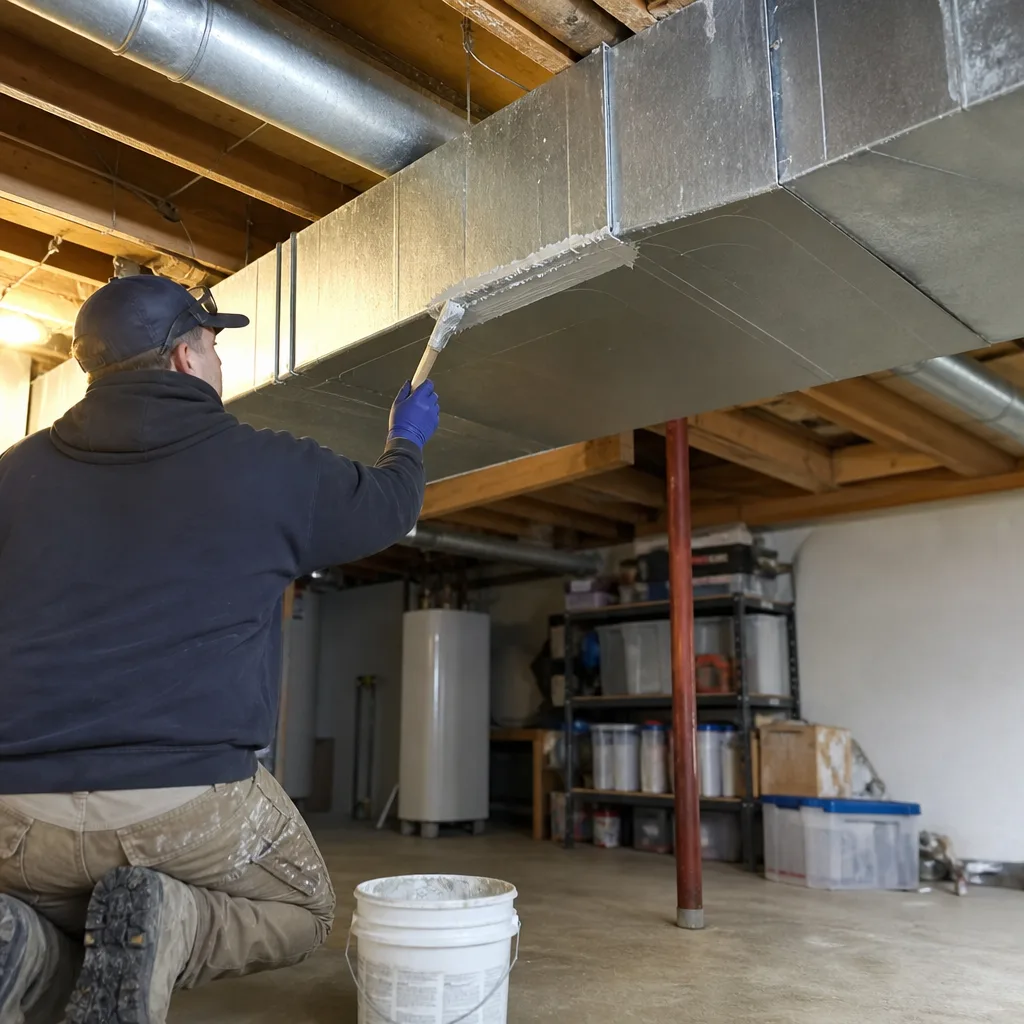
Last updated November 23, 2026
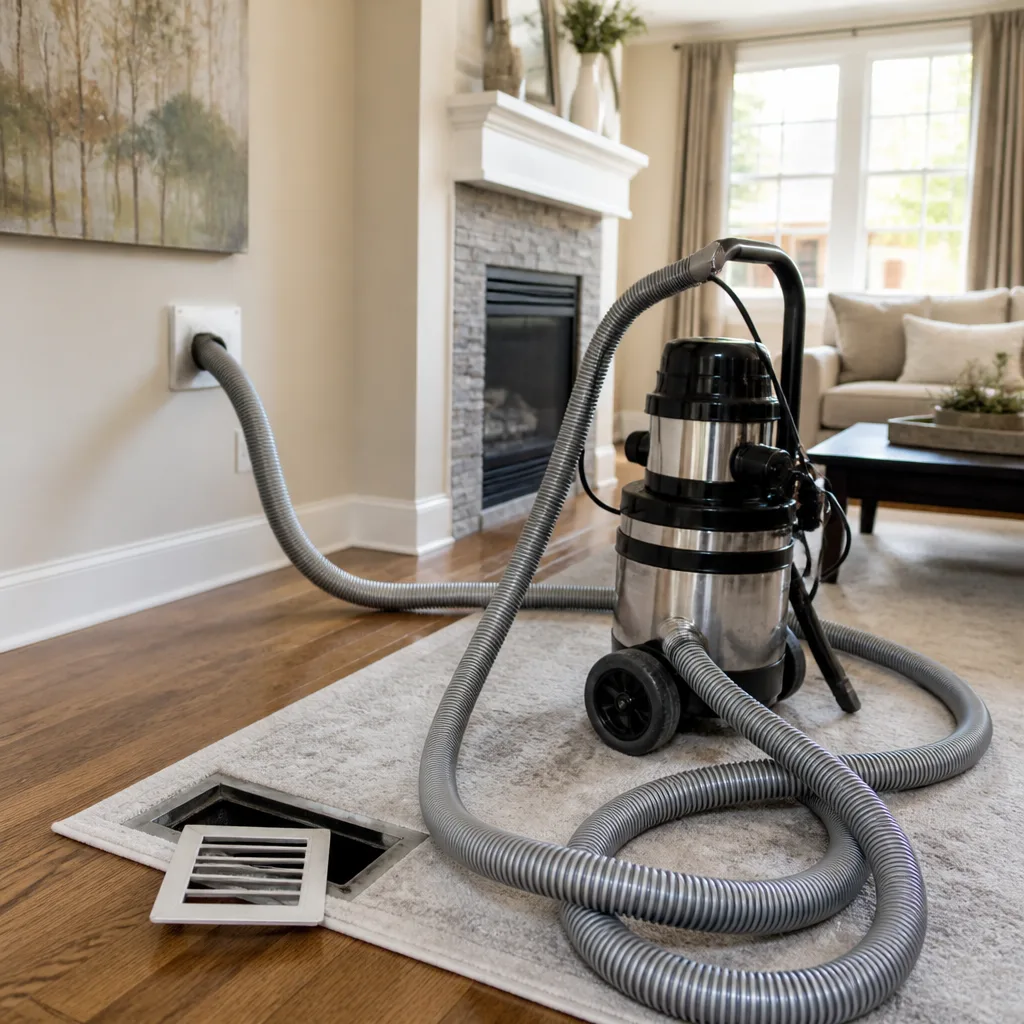 Whole-home duct cleaning
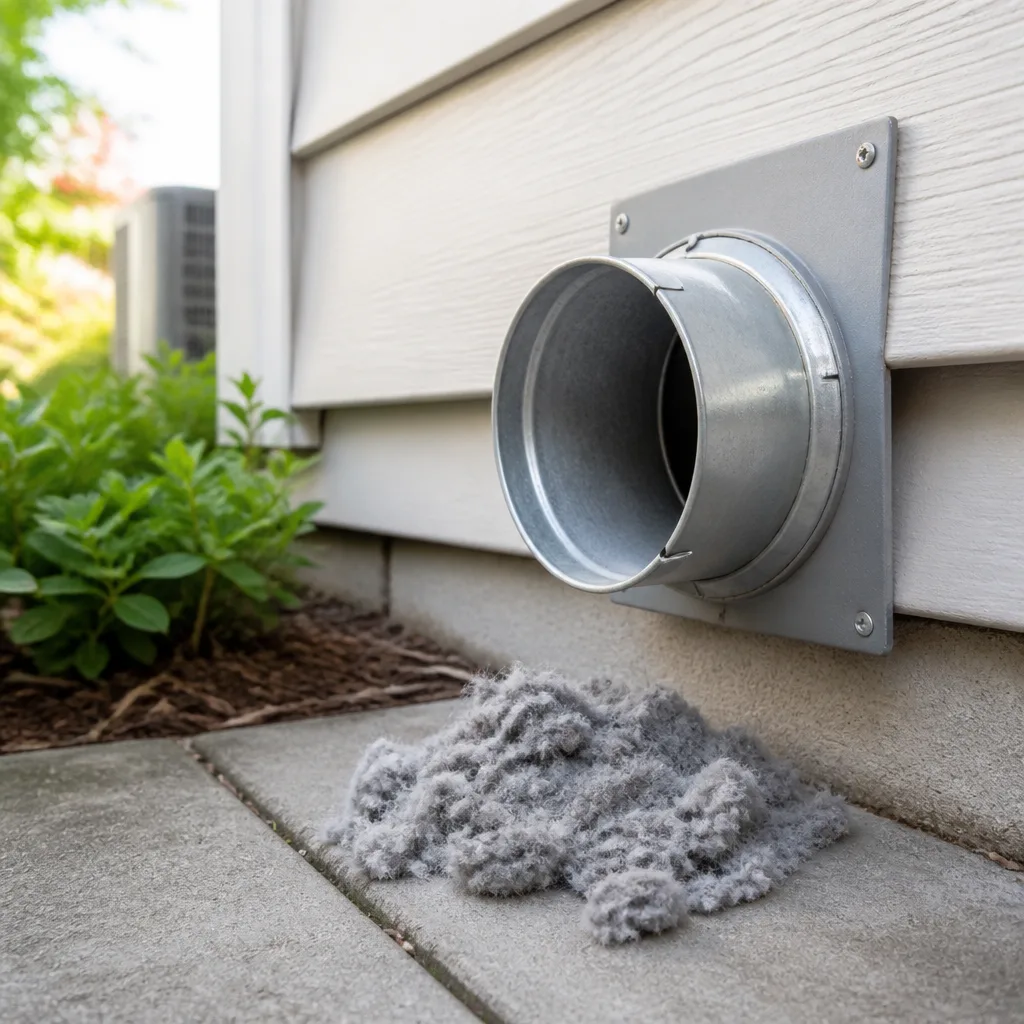 Dryer vent cleaning
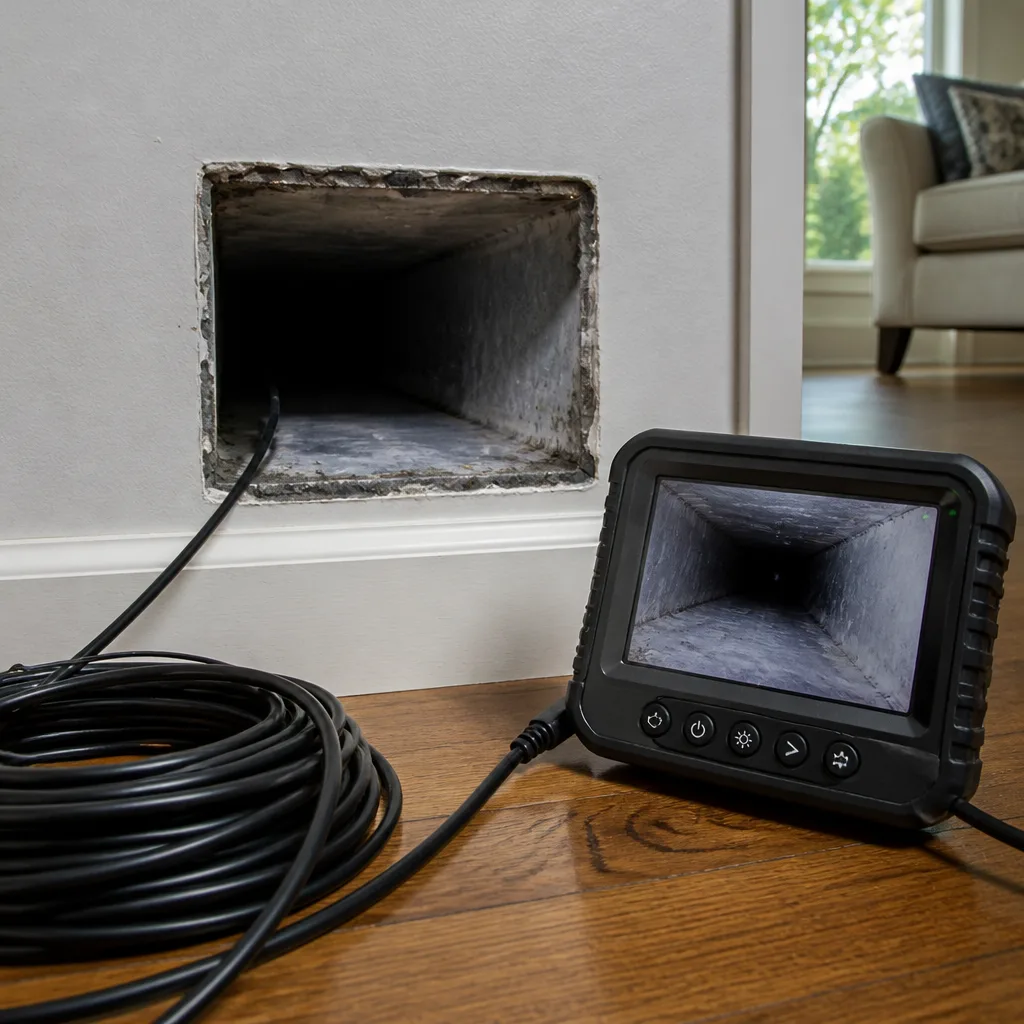 Camera inspection
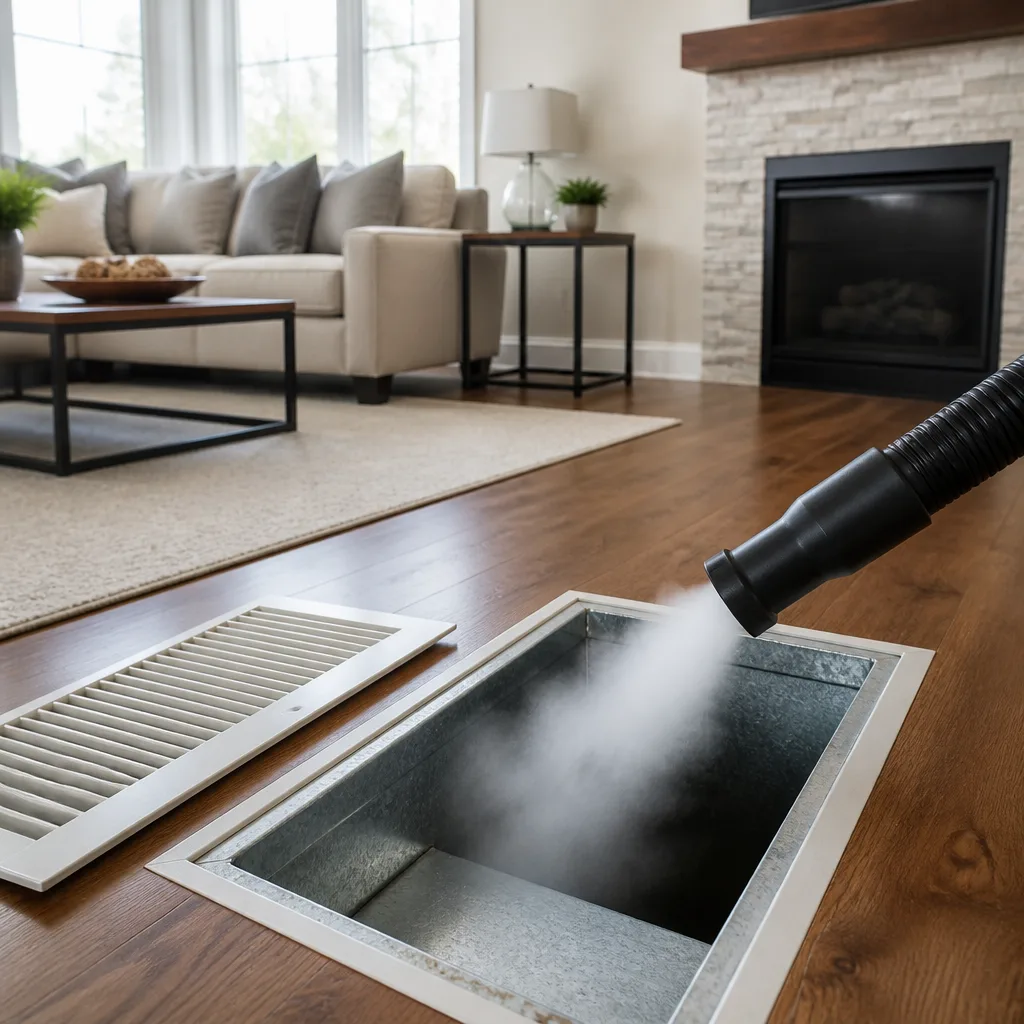 Sanitizing & deodorizing
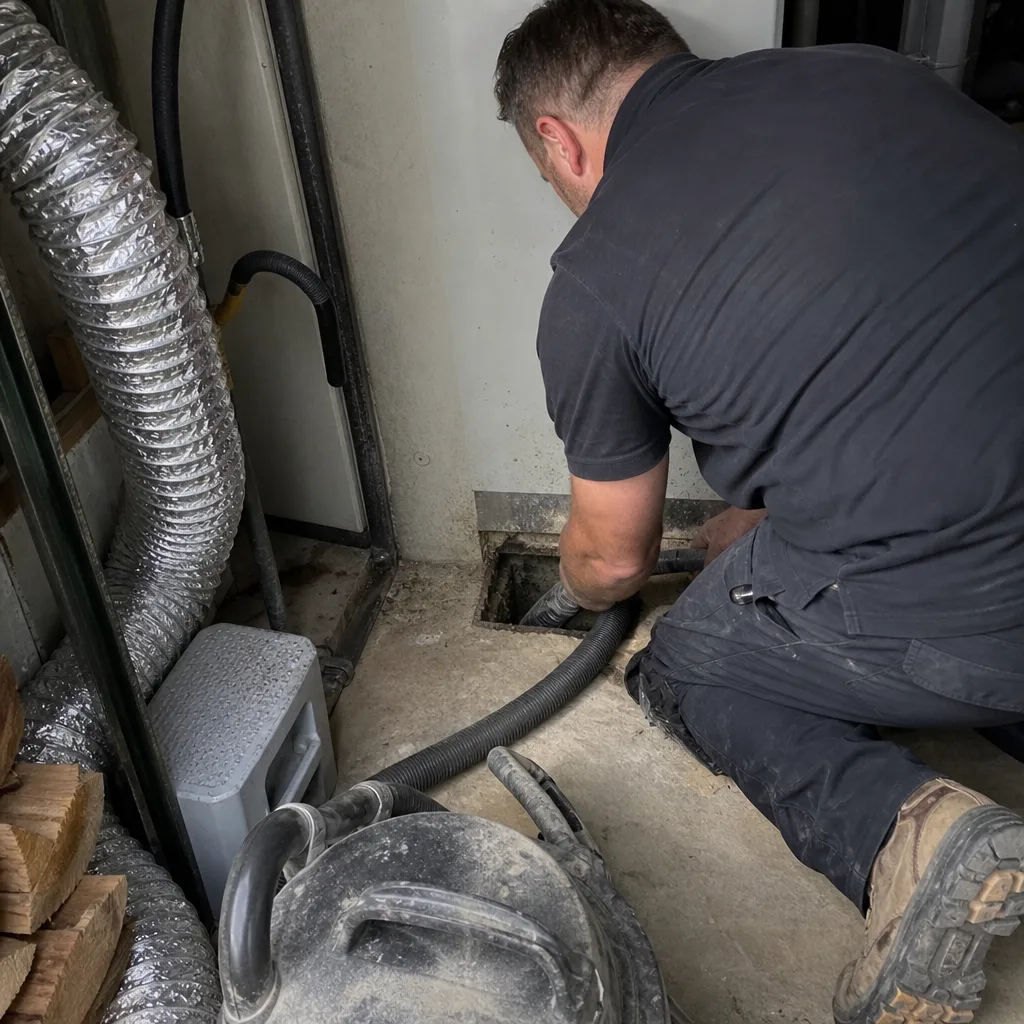
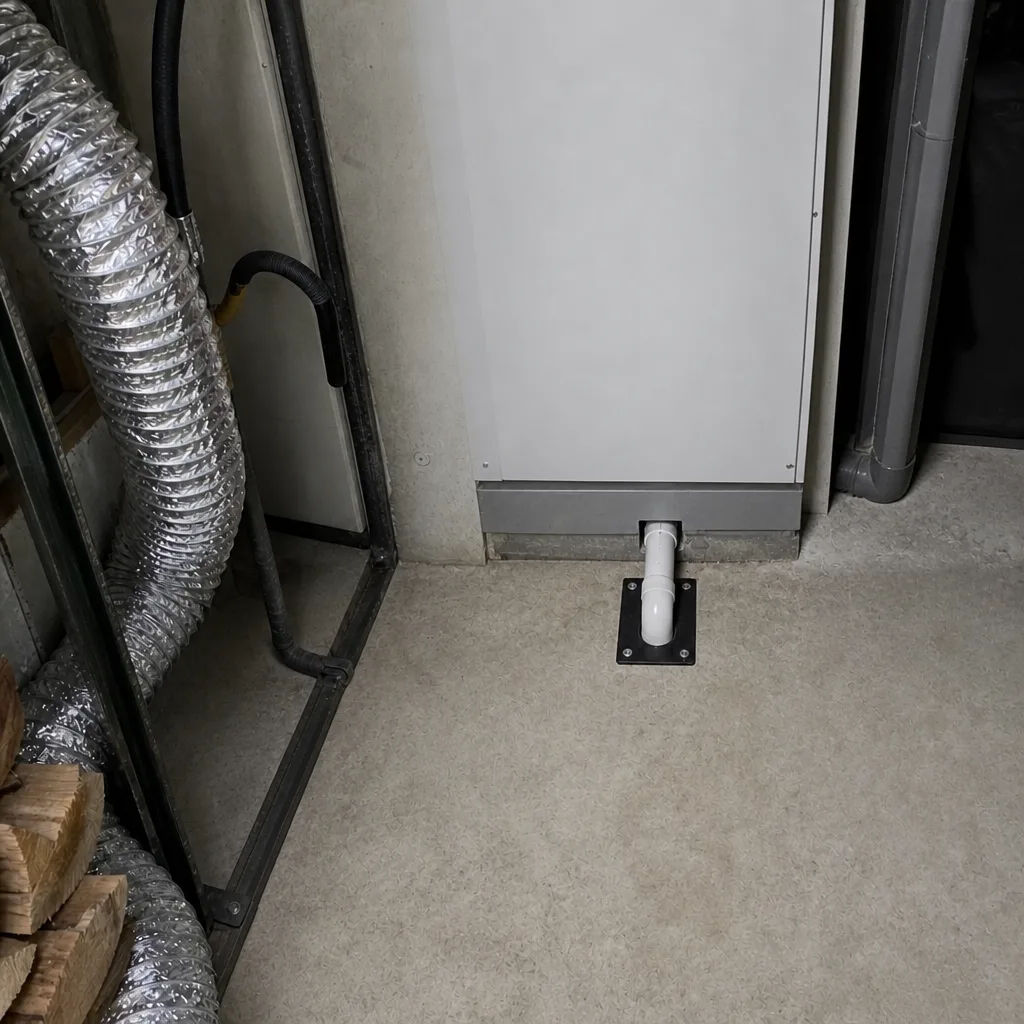
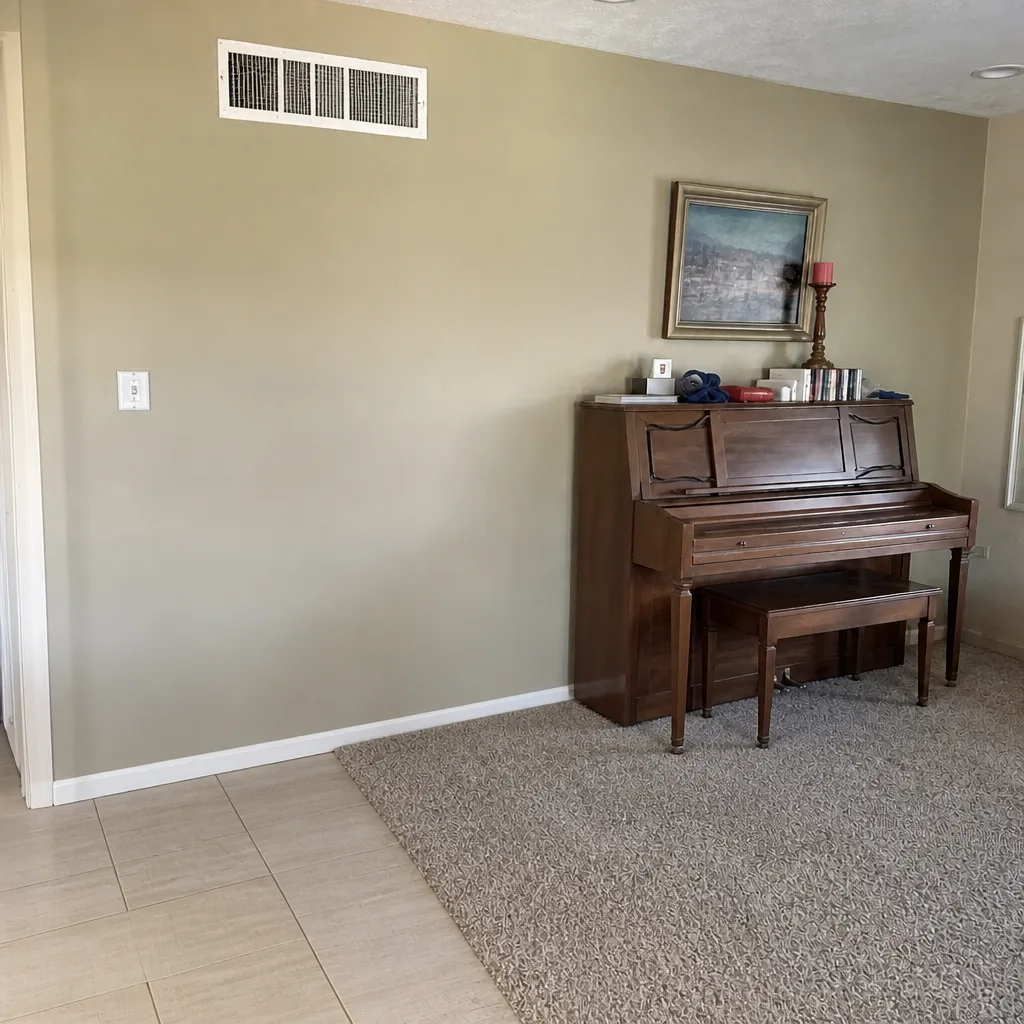
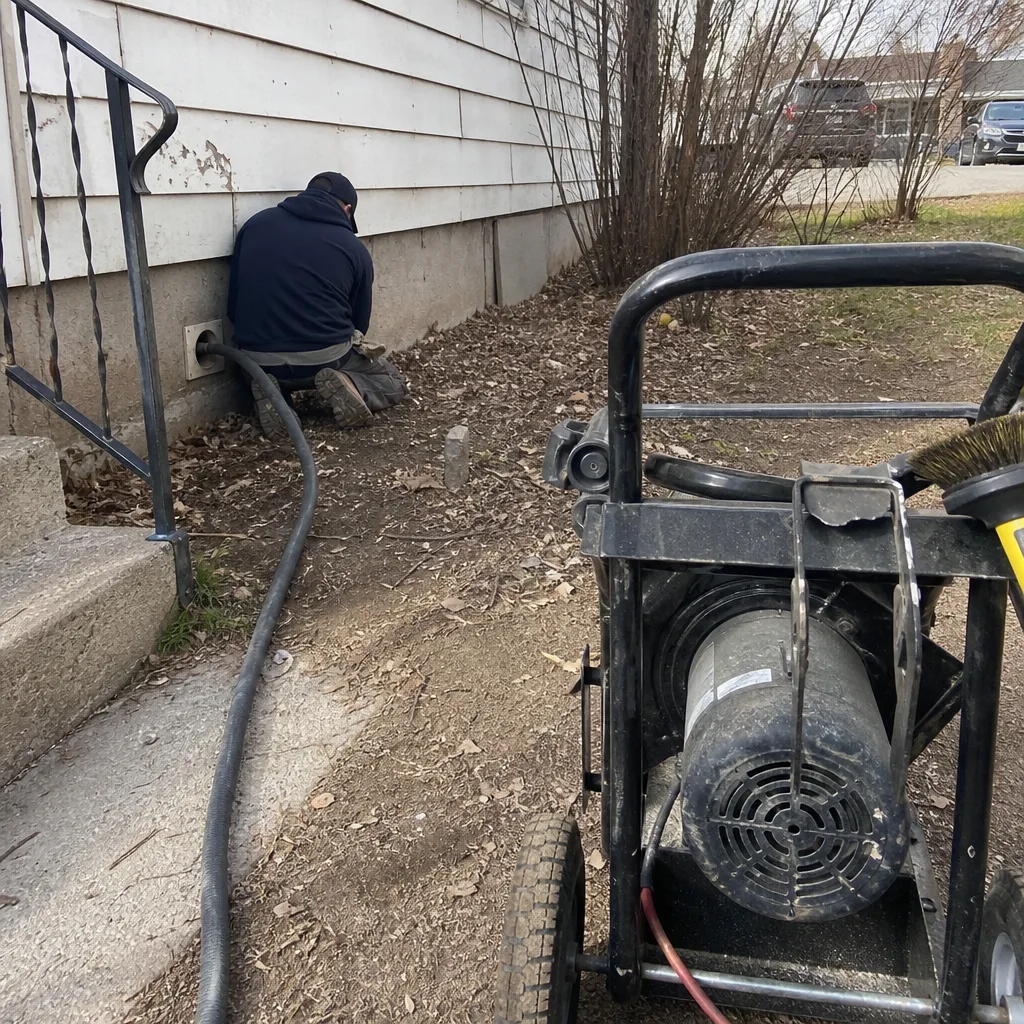
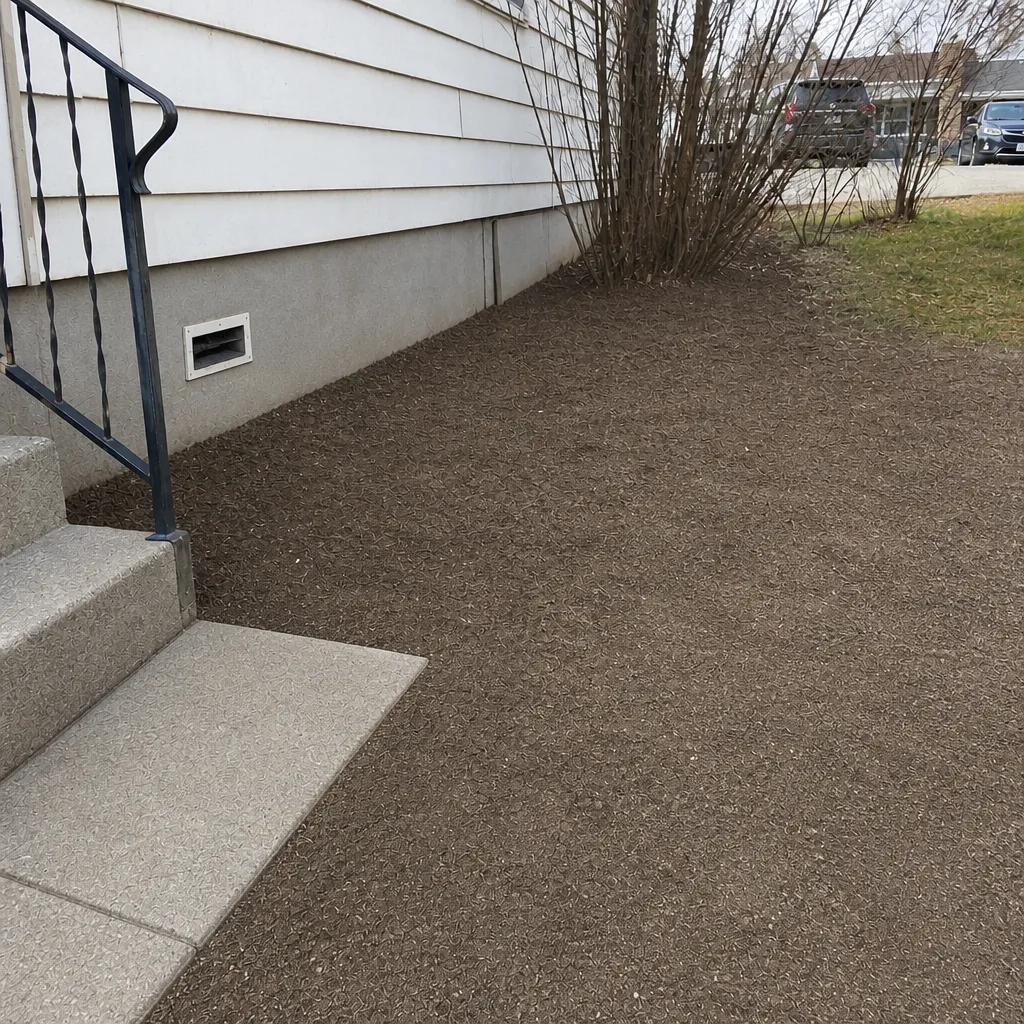
Whole-system duct and dryer vent check with before-and-after photos - you see exactly what came out of your vents
That "$99 whole-house special" is a bait ad - the real number appears once they are in your hallway, or the "clean" is a shop-vac at the register. We photograph the inside of your ducts before and after instead.
Air Duct Cleaning Permits, Codes & Inspections in Roy, UT: What You Need to Know
Here’s the part that surprises most people: the duct cleaning itself needs no permit in Roy. What happens next often does. When a technician finds a loose joint or a crushed run during a cleaning and fixes it on the spot with mastic or a fresh section of duct board, that quiet favor may have crossed into regulated mechanical work under Utah’s adoption of the International Mechanical Code. Most homeowners never learn where that line sits until a buyer’s inspector starts asking for paperwork. This guide walks through the thresholds that separate routine maintenance from permitted repair work, how Roy City’s inspection process handles flagged duct modification, and what documentation you should hold before anyone touches your ductwork.
Quick Answer
Air duct cleaning alone does not require a permit in Roy, Utah. Cleaning, sanitizing, and filter changes fall under routine maintenance. Duct repair that extends or alters the mechanical system, replaces duct runs, or modifies HVAC equipment can require a mechanical permit through Roy City, and the contractor should tell you so before starting. Ask for a written scope of work before any “bonus repair” gets performed during a cleaning visit.
Styles & brands we work with
- Whole-home duct cleaning
- Dryer vent cleaning
- Camera inspection
- Sanitizing & deodorizing
Table of Contents
- Cleaning vs. Repair: Where the Utah Mechanical Code Line Falls
- When Duct Sealing Needs a Permit and When It’s Maintenance
- How Roy City’s Building Inspection Process Handles Duct Modification
- What Documentation a Contractor Should Hand You After Duct Repair
- Why You Need a Written Scope of Work Before Any Repair
- Roy’s Climate, Housing Stock, and How Ducts Age Here
- Duct Findings During a Home Sale Inspection
- Choosing a Contractor Who Knows the Code Boundary
Cleaning vs. Repair: Where the Utah Mechanical Code Line Falls
Utah adopts the International Mechanical Code for regulated mechanical work, and the code’s jurisdiction begins where you alter, extend, or replace parts of a mechanical system. Cleaning a duct system does not alter it. Repair, in most cases, does. The distinction sounds academic until you’re standing in a basement watching someone tape a collapsed duct back together and wondering whether a permit should have been pulled.
The boundary generally falls like this:
- No permit typically needed: source removal cleaning of duct interiors, coil cleaning, blower cleaning, sanitizing, filter replacement, and re-taping a loose joint to its original position.
- Possibly permit-triggering: replacing a section of flex duct, reconfiguring duct routing, adding or removing a supply or return, sealing significant air leaks with rigid materials, and any repair that affects airflow calculations for the system.
- Almost always permit-triggering: replacing an air handler, adding a new branch, modifying the plenum, or any change that touches the mechanical system’s design capacity.
We’ve watched homeowners in Roy get blindsided by this because the work looks small. A five-minute repair of a disconnected flex run is still new material joined into a mechanical system. The honest answer is that the sequence matters: a reputable contractor identifies the issue during cleaning, writes it down, explains whether the repair triggers a permit, and gives you the choice before picking up a tool.
Our own practice at Roy Air Duct Cleaning runs to indoor air service: Roy Air Duct Cleaning covers cleaning, HVAC service, duct repair and sealing, dryer vent cleaning, and sanitizing, but we don’t pull mechanical permits for structural HVAC changes and we won’t pretend a permit-triggering repair is a routine fix. Our technicians have up to 9 years of experience, which is enough to know when to say “that’s a licensed mechanical contractor’s job, and yes, you’ll want a permit.”
When Duct Sealing Needs a Permit and When It’s Maintenance
The seal is the classic example of a code boundary that nobody explains. Mastic and foil tape applied to close a leak in existing ductwork is usually treated as maintenance. The same materials used to close off a duct run, redirect airflow, or seal a newly installed section of duct as part of a repair is usually permit-triggering work. What separates the two is not the material – it’s whether airflow characteristics of the system change.
A simple test: if the work doesn’t alter the system’s designed airflow, it lives in the maintenance zone. If it does, it belongs to the mechanical code.
A practical checklist before anyone seals anything in your Roy home:
- Ask what’s being sealed and why.
- Ask whether the sealing closes a leak or changes airflow.
- Ask whether the contractor considers the work permit-triggering.
- Get the answer in writing on the estimate.
- If the answer is “permit needed,” confirm who pulls it – the permit should be pulled by the licensed contractor performing the work, under their name, not the homeowner’s.
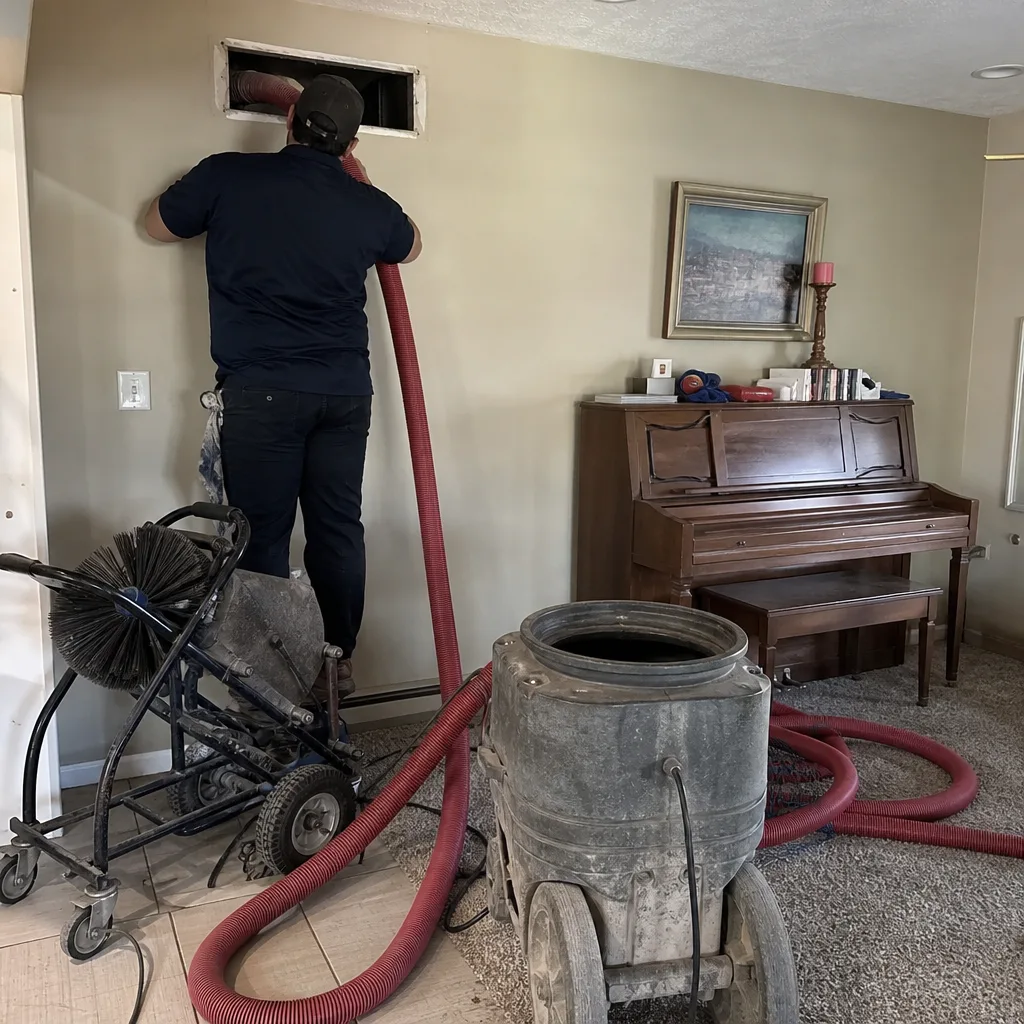
Sealing work itself should involve actual sealing products, not a thin film of tape on a joint that should have been mastic. We use professional-grade equipment from the air duct cleaning side of our work – Rotobrush and Nikro systems built for duct interiors, plus Abatement Technologies filtration to contain what comes loose – because if you’re going to open a duct system and seal it back up, you want the containment and the sealant to be the professional grade, not the consumer-grade shortcut.
What materials actually matter
UL 181-listed tapes and mastics are the products that meet mechanical code. The gray “duct tape” sold in hardware stores – the cloth-backed stuff – is not code-compliant for permanent duct sealing, and inspectors will flag it. If a contractor shows up with a roll of hardware-store duct tape and calls it a seal, that’s a signal about how far their code knowledge extends.
How Roy City’s Building Inspection Process Handles Duct Modification
Roy City’s building department runs inspections for permitted work, and the mechanical inspection is a separate phase from framing or electrical. If duct modification happened during a permitted renovation, an inspector will look at three things: the duct material and installation, the sealing method, and the airflow characteristics documented on the permit application. The inspection itself is not a cleaning inspection – inspectors aren’t checking dust levels. They’re checking that the mechanical system still works as it was designed.
What triggers the inspection:
- A permit pulled for duct modification, air handler replacement, or system reconfiguration.
- A final inspection request before an occupancy certificate is issued for a remodel.
- A complaint or a flag during a related inspection (electrical, plumbing, framing) where a mechanical issue surfaces.
What doesn’t trigger it: cleaning visits, sanitizing, filter swaps, or a straight re-tape of an existing joint. The city’s interest begins where the system’s design changes.
Roy’s housing mix shapes this. The city has a lot of homes built from the 1950s through the 1990s, meaning duct systems vary from older metal trunks to early flex installations. A 1960s home’s duct system is often underbuilt by modern airflow standards. Adding a run during a “repair” visit changes the airflow balance in a way the original system wasn’t designed for – and that is exactly the sort of change the code is meant to capture on paper.
If you’re not sure whether your proposed work is permit-triggering, call the Roy City building department before the contractor starts. It’s a five-minute phone call and it’s the cheapest insurance you can buy against a sale-day surprise.
What Documentation a Contractor Should Hand You After Duct Repair
Good contractors leave paper behind. A duct repair completed without a written record leaves you with nothing to show an inspector, a buyer’s agent, or a future HVAC technician who needs to know what’s inside the wall. The following should accompany any repair work:
- A written scope of work describing what was found, what was repaired, and what wasn’t.
- Material specifications – the specific tape or mastic used, with the UL listing, and any duct board or flex product name and rating.
- Before-and-after photos of the repaired section, taken at the time of the repair.
- A permit number and inspection card if a permit was required.
- A work-completion summary noting whether airflow changes were made and what they were.
- Warranty terms in writing, along with the contractor’s contact for callbacks.
Roy Air Duct Cleaning takes before-and-after photos of every duct repair we perform, and the photos travel with the written scope. It’s not bureaucracy – it’s the difference between “somebody taped it” and “we can prove exactly what was done.” When a home sale inspection asks what was modified, the paperwork is the answer.
One more piece of documentation worth asking about: whether the contractor uses Abatement Technologies filtration in the process. That’s the containment standard used in professional remediation work, and it tells you something about whether contamination was managed or just released into the room.
Why You Need a Written Scope of Work Before Any Repair
The most common regret we hear about duct work has nothing to do with quality. It’s about scope. A homeowner books a cleaning, a technician finds “problems,” the repair gets tacked on informally, and the homeowner later can’t articulate what was done or why. That scenario produces code problems, not just billing problems.
The rule is simple and it’s firm in our shop: written scope, signed, before work begins. If a contractor offers a “bonus repair” on the spot without paperwork, ask them to stop and put it in writing. Here’s why:
- You can’t evaluate whether a permit was required if you don’t know what the repair involved.
- You can’t confirm the material was code-compliant if it isn’t documented.
- You can’t prove what was done on a home sale if there’s no paper trail.
- You can’t hold anyone accountable for quality if the scope was verbal.
- You may not know the contractor is licensed and insured for the repair scope if the estimate doesn’t say so.
That last point matters. Utah licenses mechanical contractors, and a cleaning company that performs repair work it isn’t licensed for is a real problem. Ask for the license before the repair. Any legitimate contractor will produce it without hesitation. Our own service connects Roy homeowners to local professionals who are licensed and insured as their state requires – the vetting conversation is one we’re willing to have up front.
When you clean the HVAC system, the same principle applies: cleaning is not a license to modify. If the tech discovers a problem during the HVAC cleaning, the answer is a separate written scope, not a quiet repair.
Roy’s Climate, Housing Stock, and How Ducts Age Here
Roy sits in the northern Utah valley along the Wasatch Front, and the climate here asks a lot of a duct system. Dry summer air with fine dust stirred by wind off the nearby open land is one part of it. Cold winters with heavy furnace run-hours are the other. Duct tape that held in a milder climate loses adhesion faster here, and flex duct runs sag as the seasons cycle. The joints that fail first are usually the ones near the furnace plenum and at the last run of an older trunk.
Housing age drives the pattern. Roy’s mid-century homes often have original metal ductwork with joints sealed by older methods – mechanical crimps, sometimes hand-applied mastic that’s dried out and cracking. Homes from the 1980s and 1990s carry early flex duct runs that may be closer to end of life than the homeowner realizes. Homes built in the last two decades are typically better sealed but not immune, and their duct runs are often routed oddly to fit modern floor plans.
The practical consequence: when a technician finds a failing joint in a Roy home, the repair question is usually “maintenance or mechanical change?” rather than “does this need fixing?” The joint probably does need attention. The question is whether that attention is tape-and-mastic on an existing joint (maintenance) or a new section of duct joined into the system (permit-triggering). If the answer isn’t clear, get it in writing.
We see this climate interaction closely because our work runs across the full indoor air spectrum. The air inside your home works as hard as your HVAC system – both deserve professional attention. Guarding that work with documentation and the right equipment is the whole point.
Duct Findings During a Home Sale Inspection
Home sale inspections are where duct problems get expensive, and they’re where the paper trail earns its keep. A buyer’s inspector will note duct inconsistencies: crushed flex runs, disconnected joints, unsealed penetrations, and – critically – any apparent modification without documentation. The buyer’s agent will then ask whether the modification was permitted.
If you have documentation, the conversation is short. If you don’t, it isn’t.
Three common scenarios in Roy:
- Cleaning only, no repairs. A cleaning invoice plus photos showing interior condition is usually enough. No permit required.
- Maintenance-level sealing. A written scope, material specification, and before-and-after photos are the right response. Note whether the contractor considered it maintenance.
- Repair that modified the system. A permit number and inspection card are the strongest response. If none exist, the buyer may ask for a retroactive permit or a licensed contractor’s evaluation, and that costs more than the original paperwork would have.
If your home is heading to market and you suspect a prior repair wasn’t documented, get an independent evaluation before the inspector shows up. It’s less painful to hear it from a contractor than from a buyer’s contingency.
Choosing a Contractor Who Knows the Code Boundary
The tell between a contractor who understands the code and one who doesn’t is usually simple: ask what they consider the maintenance/repair line, and see whether they can answer it in specifics. Vague answers about “we just take care of it” mean they’ll take care of it without knowing where the permit lives.
What to look for:
- Equipment class. Rotobrush, Nikro, and Abatement Technologies are purpose-built duct systems used by commercial contractors. Consumer-grade shop vacs and blowers are not. The difference in what gets cleaned is significant, and the difference in contamination containment is more so.
- Written scope on every estimate. Not just a price. A description of what will be done, and what will not.
- Before-and-after photos. Standard practice, not an upsell.
- Honest licensing claims. The local professional we connect you with is licensed and insured as their state requires. Any contractor should be able to confirm the same.
- Willingness to say “that’s not our job.” A cleaning contractor who understands the code boundary will tell you when work crosses into licensed mechanical scope.
- IAQ hardware familiarity. Work with Honeywell and Aprilaire isn’t marketing – it matters because the duct system and the IAQ hardware need to be treated together.
Our technicians have up to 9 years of experience and they treat the code boundary as a hard line. If the repair triggers a permit, we want it on paper before anybody picks up a tool.
Common Mistakes to Avoid
- Assuming cleaning and repair are the same job. A cleaning visit can legitimately end without repairing what was found. If a contractor rolls cleaning and repair into one price without separating the scope, ask for a breakout before signing.
- Accepting “bonus repairs” without documentation. On-the-spot repairs during a Roy cleaning visit are easy to accept and hard to prove later. Written scope first, always.
- Using cloth-backed “duct tape” for a permanent seal. It fails in Utah’s temperature swings and doesn’t meet code. UL 181-rated tapes and mastic are the correct products.
- Ignoring the permit question because the repair looks small. A five-minute flex duct replacement is still a mechanical system modification. Ask the question, get the answer in writing.
- Skipping before-and-after photos. If the work can’t be verified visually, a home sale inspector will treat it as undocumented. Photos are free to take and expensive to lack.
- Letting a cleaning-only company perform repair work it isn’t licensed for. Utah mechanical licensing is not optional. Ask for the license and confirm the scope.
- Not calling Roy City to clarify. If the contractor and the buyer’s agent disagree about whether a permit was needed, Roy City’s building department has the actual answer.
See the difference
 Before
 After
 Before
 After
 Before
 After
When to Call a Professional
Call a professional the moment duct work crosses from cleaning into modification, and definitely before any repair that changes airflow or adds new duct material. Also call if you’re heading into a home sale and can’t document prior duct work, if you suspect a collapsed duct run based on uneven airflow, if you’re buying a Roy home with any visible duct tape on the system, or if you’re planning a renovation that will touch the mechanical layout. Roy Air Duct Cleaning offers free estimates in Roy – call (877) 389-1745. We answer 24/7. Fast dispatch from 7am to 7pm, Sunday through Friday. We connect you with local professionals who are licensed and insured as their state requires, and every estimate comes with a written scope of work, before-and-after photos after the job, and a flat price per system agreed before work starts. Same-day service is available when scheduling allows. Professional-grade equipment, not shop-vac shortcuts.
Frequently Asked Questions
No. Air duct cleaning in Roy does not require a permit because it doesn’t alter the mechanical system. Cleaning, sanitizing, and filter replacement are routine maintenance. If the visit uncovers a repair that changes airflow or adds new duct material, the repair itself may require a mechanical permit through Roy City. Call (877) 389-1745 for an exact quote – estimates are free.
Duct repair needs a permit when it changes the mechanical system’s designed airflow or adds new duct material into the system. Replacing a flex run, reconfiguring routing, adding a supply or return, or modifying the plenum are top examples. Re-taping an existing joint with UL 181-rated product is typically maintenance. Roy City’s building department has the final word, and a call to them settles it quickly.
It depends on what’s being sealed. Mastic or foil tape closing a leak in existing ductwork is usually maintenance. Sealing that closes off airflow, redirects a run, or secures a newly installed duct section is usually permit-triggering. Get the answer in writing on the estimate before work begins.
The inspector will note the problem and may ask whether a permit was pulled. If a permit was required and none exists, the buyer may request a retroactive permit or a licensed evaluation. Cleaning invoices, written scopes, material specs, and before-and-after photos are the paper trail that speaks to an inspector. Homes sold without documentation tend to cost the seller more than the paperwork would have.
Before-and-after photos taken at the time of repair, plus a written scope and material specification. A contractor who won’t photograph the work is asking you to trust them without evidence. We photograph every duct repair and the photos travel with the written scope. Call (877) 389-1745 – estimates are free.
Cheaper quotes usually come from consumer-grade equipment, no documented scope, and repairs performed without paper. The price difference is in the equipment class and the documentation, not the cleaning. A Rotobrush or Nikro system and Abatement Technologies filtration cost more than a shop vac and a roll of tape, and they show up in the results. Call (877) 389-1745 for an honest whole-system estimate with written scope.
Nothing about cleaning a dryer vent requires a permit – it’s maintenance, and it’s worth scheduling because dryer vent cleaning addresses a real fire risk. The topic matters here because duct repair permits and dryer vent work are the two things homeowners most often assume are code-free. One is. The other can be, depending on scope.
The Bottom Line
In Roy, air duct cleaning itself sits outside the permit system. Duct repair that alters airflow, adds new material, or modifies the mechanical system can require a mechanical permit through Roy City. The line between the two is where trouble lives, and the line becomes easier to see with a written scope of work, material specifications, and before-and-after photos in hand. Cleaning contractors who also repair need to know where their licensed scope ends. If a repair crosses that boundary, get the permit question answered before anyone picks up a tool – because a homeowner holding documentation has a much shorter conversation with a home sale inspector than one who doesn’t. From cleaning to sealing to sanitizing, the paperwork is part of the job.
A note on our own scope: our five services are air duct cleaning, HVAC cleaning, duct repair and sealing, dryer vent cleaning, and air quality and sanitizing. When a repair crosses from maintenance into mechanical work that requires a permit, the local professional we connect you with will tell you rather than quietly completing the work. Cleaner ducts. Safer dryer vents. Better air. One call.
Call (877) 389-1745 for a free estimate. We answer 24/7. Fast dispatch from 7am to 7pm, Sunday through Friday. One flat price per system agreed before work starts, before-and-after photos of your own ducts, and a written scope of work that holds up when it matters.
Written by the team at Roy Air Duct Cleaning.