
Last updated November 23, 2026
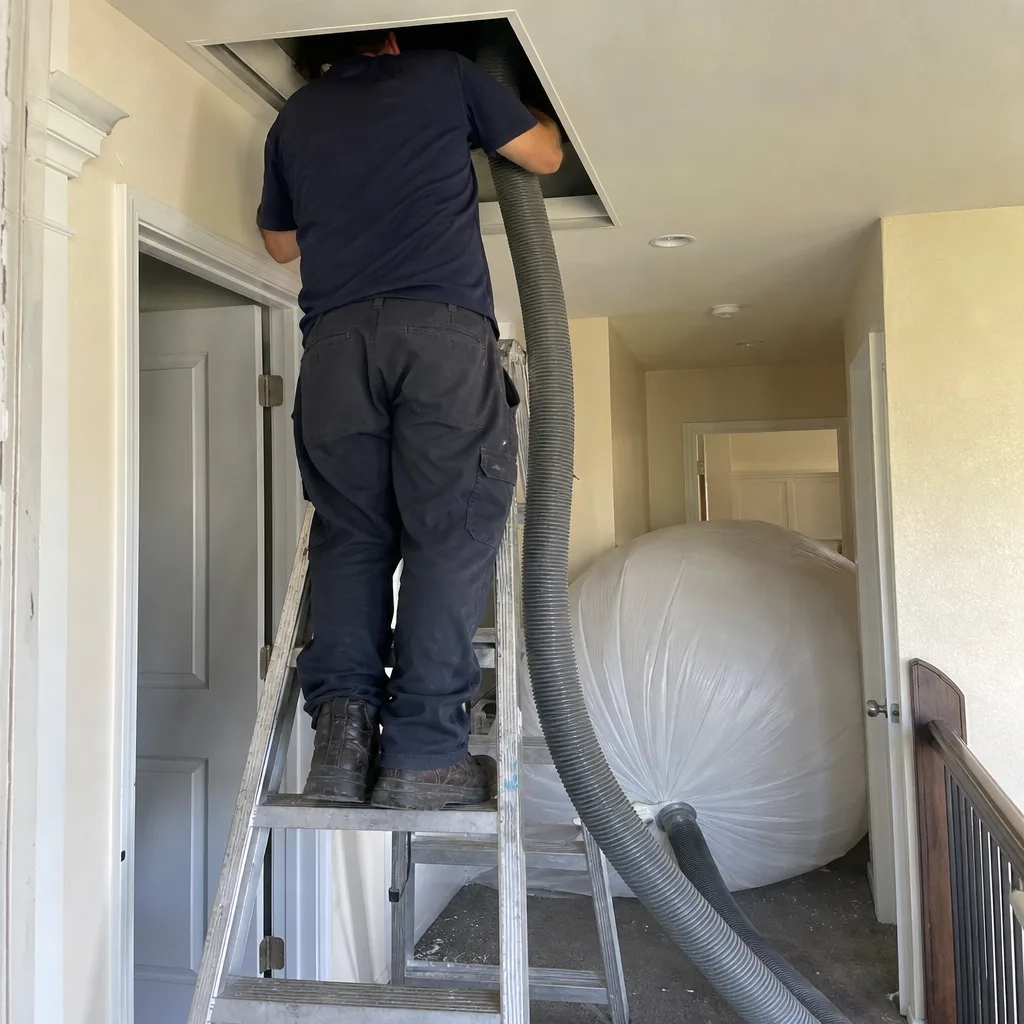
 Whole-home duct cleaning
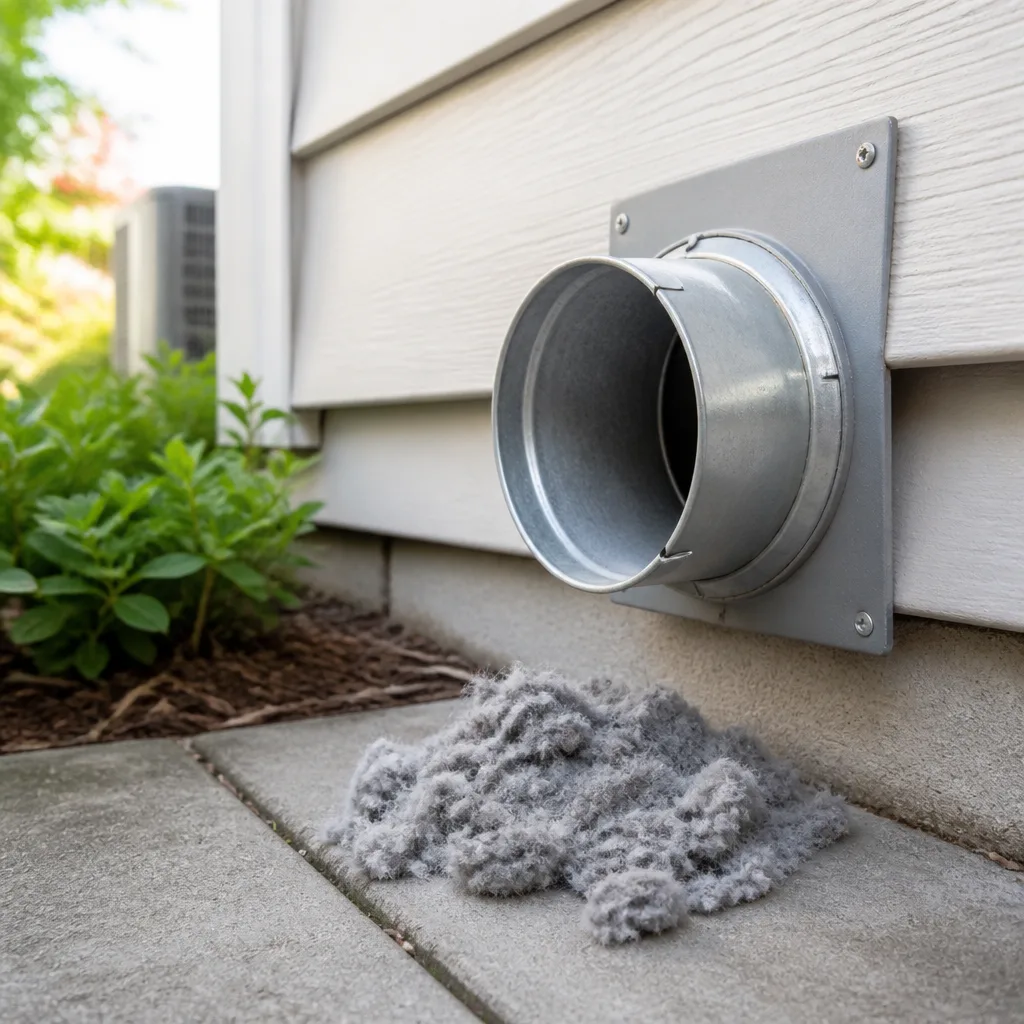 Dryer vent cleaning
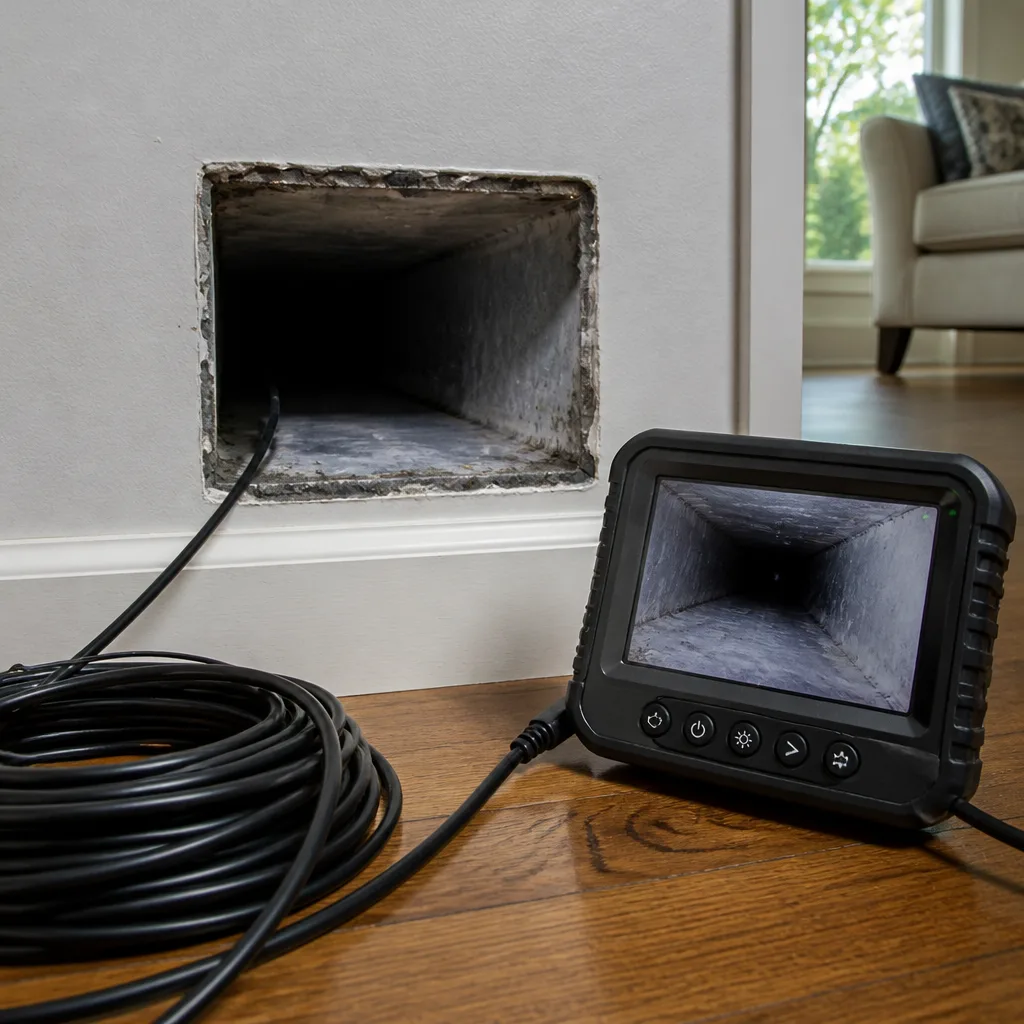 Camera inspection
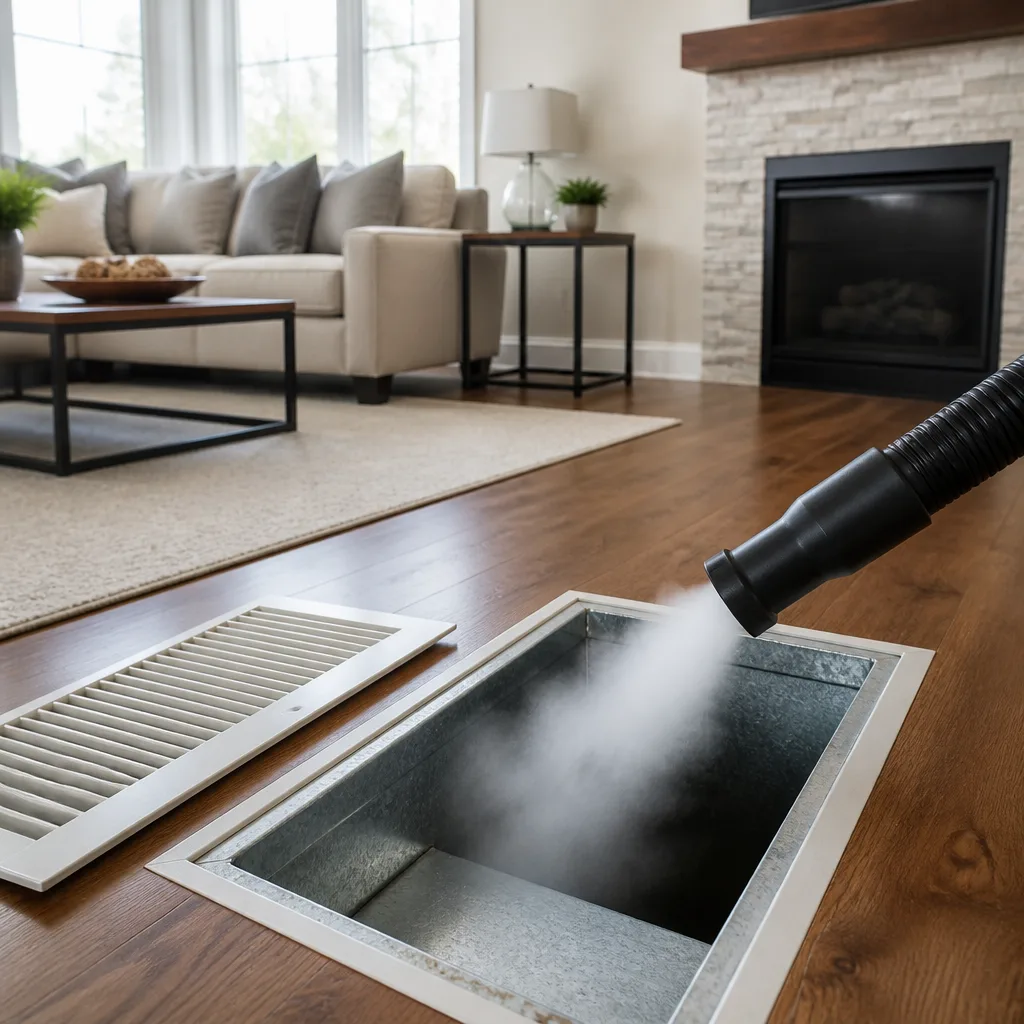 Sanitizing & deodorizing
Whole-system duct and dryer vent check with before-and-after photos - you see exactly what came out of your vents
That "$99 whole-house special" is a bait ad - the real number appears once they are in your hallway, or the "clean" is a shop-vac at the register. We photograph the inside of your ducts before and after instead.
Air Duct Cleaning Maintenance Schedule: What to Do and When
Most duct maintenance advice you’ll find online was written for a suburban house in the Midwest: mild humidity, tree pollen, a furnace that runs half the year. Roy isn’t that place. Homes here sit in a high-desert valley where spring inversion events trap fine particulate near the ground, Weber County farm dust rides the wind into every gap, and new construction keeps pushing grit through the air. A single “every 3 to 5 years” rule can’t account for any of that. This guide gives you a schedule built around the variables that actually reset the clock in Roy, so you clean when your home needs it and skip the cleanings it doesn’t.
Quick Answer
In Roy, most homes need professional air duct cleaning every 2 to 4 years, not the 3 to 5 years you’ll see in generic guides. Move toward the 2-year end if you have pets, allergy sufferers, recent renovation, or a home older than about 15 years. Move toward 4 years only if you have no pets, a well-sealed newer home, and a good filter changed on schedule. Filter changes happen monthly or quarterly in between, and the written condition report from each cleaning sets your next interval.
Styles & brands we work with
- Whole-home duct cleaning
- Dryer vent cleaning
- Camera inspection
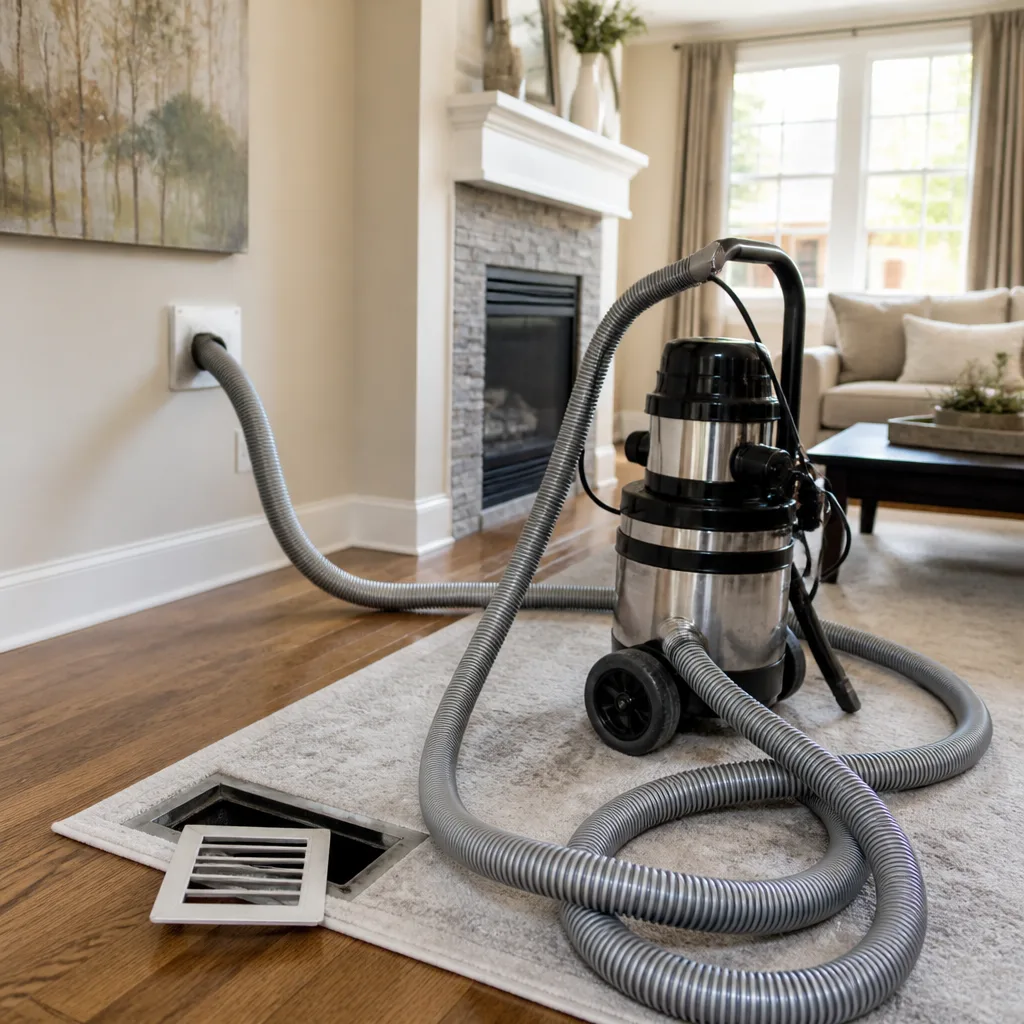
- Sanitizing & deodorizing
Table of Contents
- Why Roy’s Air Changes the Standard Schedule
- A Tiered Schedule Based on Your Household
- What to Do Between Professional Cleanings
- Reading Your Filter as a Duct Condition Report
- What You Can Do Yourself vs. What Needs Professional Equipment
- Life Events That Reset the Clock
- A Roy Seasonal Maintenance Calendar
- Dryer Vents, HVAC Coils, and the Rest of the System
Why Roy’s Air Changes the Standard Schedule
Roy sits in a valley where air movement and air quality don’t always line up with the national averages those generic charts assume. The schedule you actually need is driven by three local forces.
Spring inversion season
During winter and early spring cold snaps, cold air settles against the valley floor and traps whatever is suspended in it: fine particulate from wood smoke, road dust, and industrial emissions from the broader Wasatch Front. On those inverted days the particulate count in Roy can exceed what you’d see on a summer wildfire smoke day in other parts of the state. That trapped particulate doesn’t just sit outdoors. It gets pulled into your return air, coats the inside of your ductwork, and settles on the blower and coils. A home that ran its furnace heavily through an inversion-heavy winter arrives at spring with a dirtier system than its “last cleaning” date would suggest.
Agricultural and construction dust
Weber County’s surrounding farmland generates fine dust that moves with the wind, and active construction in and around Roy produces drywall dust and concrete fines that are far more abrasive than ordinary house dust. If you live near an active build site or a field that gets worked each season, your duct contamination clock runs faster than a neighbor two streets over with none of those conditions.
Dry air and static
Low humidity is the norm here most of the year. Dry air lets fine dust stay airborne longer instead of settling out, and it increases static charge that makes that dust cling to duct walls and register grilles. A drier climate means more of the particulate in your home ends up stuck to the inside of the system rather than swept up or vacuumed off a floor.
Roy Air Duct Cleaning builds its recommended intervals around these local conditions rather than a national average, which is why the next section gives you tiers instead of a single number.
A Tiered Schedule Based on Your Household
The single most useful thing you can do is match your home to a tier instead of picking an interval out of the air. Use this framework as a starting point, then adjust based on the condition report from your last cleaning.
- Tier 1 – Every 2 years: households with two or more pets, an allergy or asthma sufferer, recent renovation within the past 12 months, a home older than 15 years, or proximity to active construction. These homes accumulate contamination fast enough that 3 to 5 years leaves too much buildup between cleanings.
- Tier 2 – Every 3 years: the standard for most Roy homes. One pet, no allergy concerns, a home in the 8-to-15-year range, and a filter changed reliably. This is the realistic middle ground for a typical valley household.
- Tier 3 – Every 4 years: no pets, no allergy concerns, a well-sealed home under 8 years old, and a high-MERV filter changed on schedule. Even here, watch for the trigger events in a later section that can pull a Tier 3 home forward to Tier 1.
How filter grade shifts your tier
Filter grade matters more than most homeowners realize. A cheap fiberglass filter lets large particulate straight through to the ductwork, which loads the ducts faster and pushes you toward a shorter interval. A higher-MERV pleated filter catches more of that particulate before it reaches the ducts, but only if the filter is changed on time. A clogged high-MERV filter is worse than a cheap fresh one, because it starves airflow and lets the system pull dust in through every seam and return gap it can find. If you upgrade filter grade, upgrade your change cadence with it.
Size, layout, and duct design
Square footage alone isn’t the variable that matters. A two-story Roy home with a long trunk line and many branch runs collects more surface-area contamination than a compact single-story with short runs, even at the same square footage. Flex duct with visible sagging or sharp bends traps debris at the low points, while smooth rigid metal ductwork stays cleaner longer. When we quote a cleaning, duct design is a real part of how a Roy Air Duct Cleaning technician assesses your interval.
What to Do Between Professional Cleanings
Professional cleaning is the reset. What you do between cleanings determines how long that reset lasts. These tasks are the ones that actually move the needle on indoor air quality, ranked roughly by impact.
- Change the filter on a fixed cadence. Monthly to quarterly depending on filter grade, pets, and season. Write the change date on the filter edge with a marker so you’re never guessing.
- Check the dryer vent for lint buildup. This is a fire-risk task, not a comfort task. Look behind the dryer and at the exterior termination for lint accumulation and airflow restriction. Our dryer vent cleaning service handles the full-length run when the buildup is beyond what a homeowner can safely reach.
- Wipe down register and return grilles. A damp cloth on the visible faces keeps surface dust from re-entering the airstream. This won’t clean the duct interior, but it prevents the grille from becoming a visible dust source on its own.
- Keep returns unobstructed. Furniture, rugs, or boxes blocking return grilles force the system to pull air from gaps and seams, which brings in dust that wouldn’t otherwise enter the ductwork.
- Run the system fan periodically in the shoulder seasons. A system that sits idle lets settled dust compact on duct surfaces. Occasional air movement keeps fine dust from cementing into a film that only mechanical cleaning will remove.
- Seal obvious duct gaps. Visible gaps at joints, especially in unconditioned spaces like attics and crawlspaces, pull in dust and outdoor air. A small sealing job now prevents a much larger contamination problem later.
What doesn’t actually help
Some popular habits sound useful but don’t clean ductwork. Running a portable air purifier in a room improves that room’s air, but it doesn’t touch what’s already coating the inside of the ducts. Scented plugins and sprays mask odors without addressing the source. A standard household vacuum at the register can actually stir up settled debris without capturing it, pushing fine particulate back into the room. Save your effort for the tasks above and let professional equipment handle the interior surfaces.
Reading Your Filter as a Duct Condition Report
Your filter is the cheapest diagnostic tool you own. How it loads, and how fast, tells you more about your duct condition than a visual inspection from the register ever will. Learn to read it and you’ll know when to book a cleaning before a professional has to tell you.
The loading pattern tells the story
- Even gray loading across the whole face: normal, healthy filtration. The ducts are probably in reasonable shape for their age.
- Dark loading concentrated in one corner or one side: the filter is being fed unevenly. This often points to a return duct leak nearby pulling in concentrated dust, or a branch run carrying more contamination than others.
- Filter clogging much faster than the rated interval: the system is pulling far more particulate than it should. That extra particulate is coming from a source – construction, a return leak, a poorly sealed duct system – and the ducts are on the receiving end of it.
- Filter stays clean and light for its full interval: either your filtration and duct sealing are working well, or you have a bypass pulling air around the filter entirely. The second case is the more common surprise.
- Visible debris past the filter or on the blower door: some contamination is getting past the filter, which means the ducts behind it are holding material the filter can’t catch.
A simple filter check routine
- Pull the filter and hold it up to a bright light. Uniform light blocking is a healthy load; a dark patch or a light patch is a signal.
- Note how long the filter has been in service, using your written date. A filter that loads in half its rated interval is telling you to look upstream.
- Look at the return grille behind the filter for settled debris or streaks. Visible streaks pointing toward a gap often reveal where contamination is entering.
- If the loading pattern is uneven or the filter loads too fast, that’s your cue to book a professional inspection rather than replace the filter and move on.
Reading the filter this way is how a homeowner in Roy decides between waiting another year and calling for a cleaning. The filter’s loading pattern is telling you something real about the system behind it.
What You Can Do Yourself vs. What Needs Professional Equipment
This is the section that saves you money and keeps the work honest. Plenty of duct maintenance is genuinely DIY. The part that actually removes contamination from duct interiors is not, and it’s worth understanding why.
Legitimate homeowner tasks
- Changing the filter on schedule, and writing the date on it.
- Wiping register and return grilles with a damp cloth.
- Keeping returns clear of furniture and stored items.
- Checking the dryer vent for lint at the dryer and exterior termination.
- Inspecting and sealing visible duct gaps in accessible areas.
- Running the system fan in shoulder seasons to keep dust from settling.
Tasks that require professional-grade equipment
Duct interior cleaning requires negative pressure: a high-volume vacuum that keeps the whole system under suction while a mechanical agitation tool scrubs the duct walls. Without negative pressure, brushing or blowing the duct interior just launches the loosened contamination into your living space. That’s the difference between a real cleaning and a cosmetic one.
This is where the equipment class matters. Our technicians use Rotobrush and Nikro systems – purpose-built duct cleaning equipment used by commercial contractors, not consumer shop vacs and not a leaf blower pushed into a register. The job also runs through Abatement Technologies air filtration, which puts a contamination-containment standard from professional remediation work into the process. Most residential cleaners don’t carry that class of equipment, and when they don’t, the visible cleaning gets done while the air quality gets worse. Our technicians have up to 9 years of experience, and part of that experience is knowing when a system needs more than a brush and a hose.
The line for homeowners
The honest dividing line is this: if the task involves moving air through the interior of the duct system, it belongs to professional equipment. If the task involves the filter, the grille surface, or the space around the system, it’s yours. Follow that rule and you’ll rarely waste a cleaning or an afternoon.
Life Events That Reset the Clock
No tier is permanent. Certain events dramatically increase what’s inside your ductwork and pull your next cleaning forward, sometimes to immediately. Watch for these and reset your interval on the spot.
- Renovation or remodeling: drywall dust, sawdust, and concrete fines get pulled into the return air during construction and settle deep in the system. Book a cleaning after the project wraps, not before.
- Pest remediation: rodents and insects leave droppings, nesting material, and debris inside ductwork. After any pest treatment, a professional cleaning is a health matter, not a scheduling preference.
- HVAC replacement or major repair: a new system running on old ductwork will simply blow the old contamination back into the rooms. Cleaning the ducts at the time of system replacement is the most cost-effective moment to do it.
- Water intrusion or a musty smell: moisture in ductwork supports mold growth. Any musty odor after a leak calls for professional assessment, not a filter change.
- Moving into a new-to-you home: you don’t know the prior owner’s maintenance history. A cleaning and inspection when you take possession sets a clean baseline for your own schedule.
- Adding a pet: shedding multiplies the particulate load and pushes a household toward the shorter tier.
- A dusty or contaminated neighborhood season: nearby construction or heavy agricultural dust in the air means more contamination reaches your filters and ducts, even with everything else unchanged.
Any one of these events drops your next cleaning due date by a year or more. Two of them together and you should just book the cleaning. Roy Air Duct Cleaning handles all of these triggers as part of its air duct cleaning service, and each visit produces a written condition report you can use to reset your schedule.
A Roy Seasonal Maintenance Calendar
Because the local forces that load your ducts follow a seasonal pattern, a simple calendar keeps the work aligned with when it matters. This isn’t a rigid schedule – adjust it to your tier – but the tasks line up with the conditions that drive contamination in Roy.
Spring
- Change the filter after the heaviest inversion season, since the winter load is the biggest single contributor to duct contamination in Roy.
- Do a visual check of return grilles and note any uneven loading.
- Book your duct cleaning if you’re on a 2- or 3-year tier and the interval has come due. Spring cleaning catches the season’s accumulated particulate before summer cooling pushes it around.
Summer
- Stay on the filter change cadence, especially during smoky periods.
- Keep the cooling system running efficiently, which means clean coils and clear returns. A HVAC cleaning visit addresses coils, blower, and drain pan together.
- Check the dryer vent for lint buildup before the heavy laundry months.
Fall
- Change the filter before the heating season starts, so the furnace begins with a clean filter.
- Inspect and seal visible duct gaps in the attic and crawlspace before the cold air arrives and the system pulls harder.
- Schedule a cleaning if this is a trigger year – new pet, completed renovation, or a system change.
Winter
- Watch the filter during inversion days and replace it if it loads faster than usual.
- Keep returns clear of holiday furniture and storage.
- If a musty or dusty smell appears, treat it as a signal rather than a nuisance.
Dryer Vents, HVAC Coils, and the Rest of the System
A duct cleaning schedule that ignores the rest of the system is incomplete. Three related components deserve their own cadence.
Dryer vent
The dryer vent is a fire-risk system, not a comfort system. Lint buildup restricts airflow and, over time, can ignite. Roy homes should check the vent annually and schedule a professional clean when the run is long, the buildup is heavy, or airflow falls off. This is the piece of maintenance most easily forgotten and most consequential when it’s ignored.
HVAC coil and blower
The evaporator coil and blower sit in the airstream and collect the same contamination your ducts do. A dirty coil reduces efficiency and can turn a clean duct job into a mixed result. Inspect the coil and blower at the same time you clean the ducts, and include them in a full HVAC cleaning when they need it. If you’re not sure whether you need one or both, our Roy Air Duct Cleaning page lays out the full service lineup so you can see what each covers.
Air quality and duct sealing
Once the ducts are clean, sealing the accessible gaps helps keep them clean longer, and sanitizing addresses microbial growth or odors left behind after pest or moisture problems. That’s the end-to-end piece – clean, repair and seal, sanitize – and doing it in one visit avoids the “clean, then discover the gaps” problem that leaves a system re-contaminated before the next schedule date.
IAQ hardware to check on the same cadence
If your home has a whole-home humidifier or air cleaner from Honeywell or Aprilaire, its filter pads and media need their own replacement cadence. These systems sit in the airstream, and a neglected humidifier pad or air-cleaner media can become a contamination source rather than a filter. When a Roy Air Duct Cleaning technician is on site, checking the IAQ hardware is part of the visit, so these components get assessed at the same time as the ducts.
Common Mistakes to Avoid
- Picking an interval off a national chart. The “every 3 to 5 years” rule ignores Roy’s inversion particulate, agricultural dust, and construction activity. Use the tiered framework instead, or you’ll under-clean at the exact moments your home needs more.
- Changing the filter without reading its loading pattern. A fresh filter resets the trap; it doesn’t tell you whether contamination is bypassing it. Check the loading pattern before you throw it in the bin.
- Assuming the last owner’s schedule still fits. A cleaning recorded three years ago doesn’t tell you what’s accumulated since, and prior maintenance is unverified. Take possession and reset the interval from a clean baseline.
- Treating the dryer vent as optional. It’s a fire-risk item, and it doesn’t get covered by a duct cleaning that doesn’t reach it. Check it annually.
- Booking a low-priced cleaning without asking what equipment is used. If a provider shows up without negative-pressure equipment, the job can spread contamination rather than remove it. Ask what they run the cleaning with before you book.
- Cleaning the ducts and ignoring the coils and blower. Contamination behind the filter can stay exactly where it is. A full-system view catches both.
- Skipping sealing after cleaning. Cleaning without sealing leaves the gaps that pull in the next round of dust. Do both while the equipment is there.
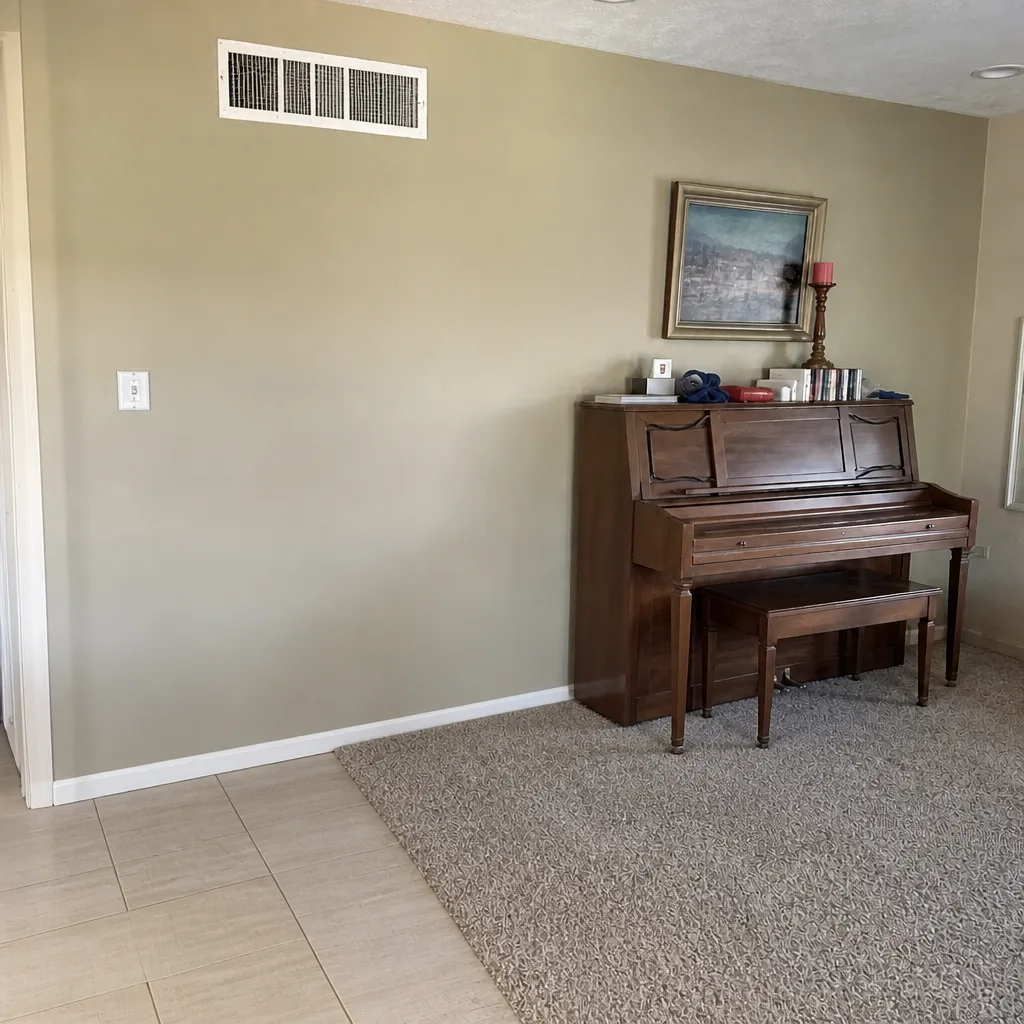
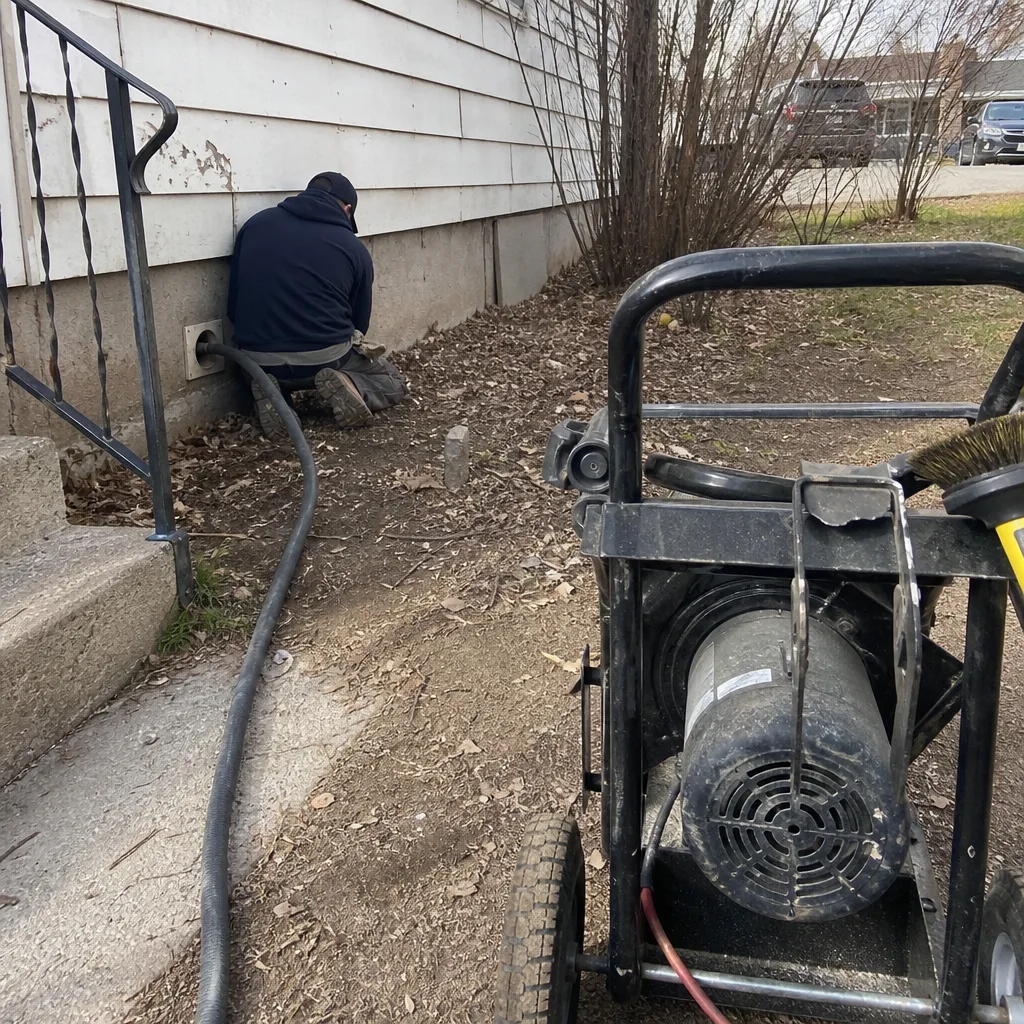
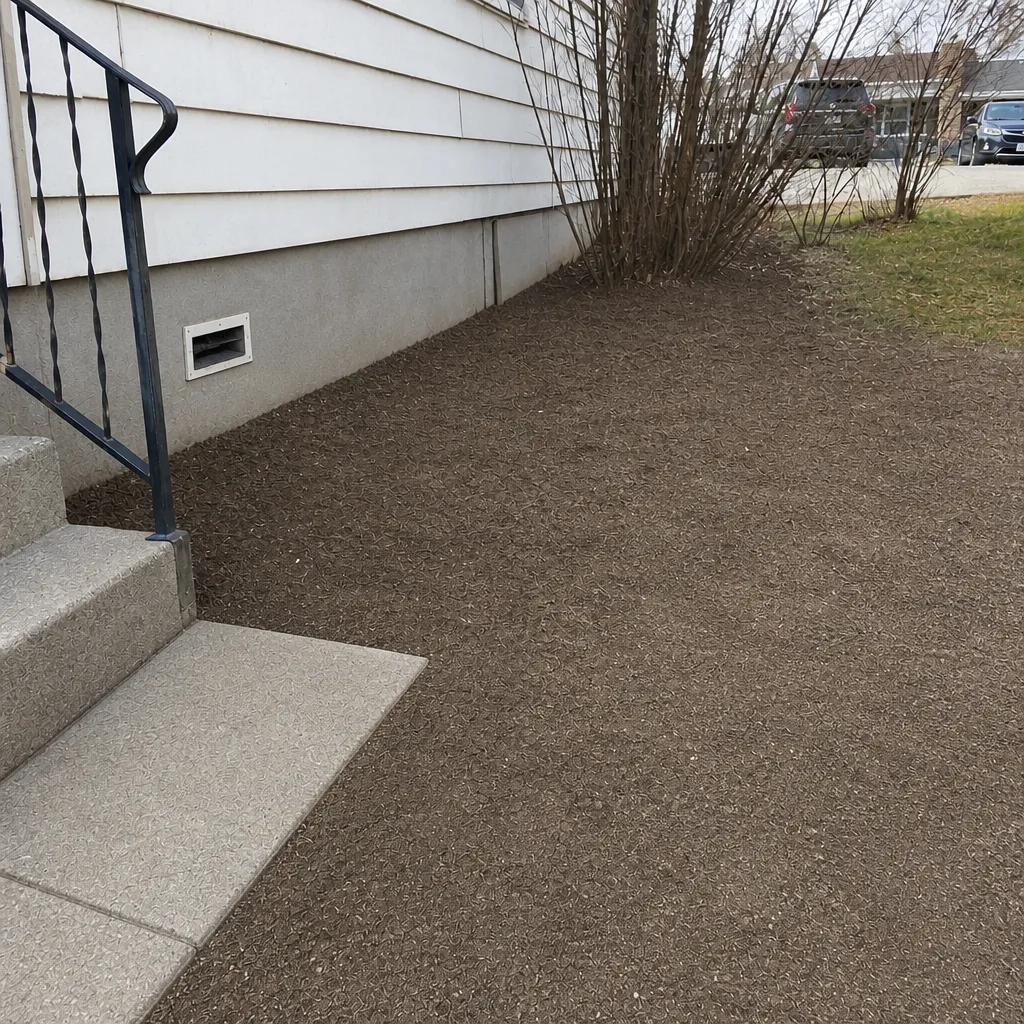
See the difference
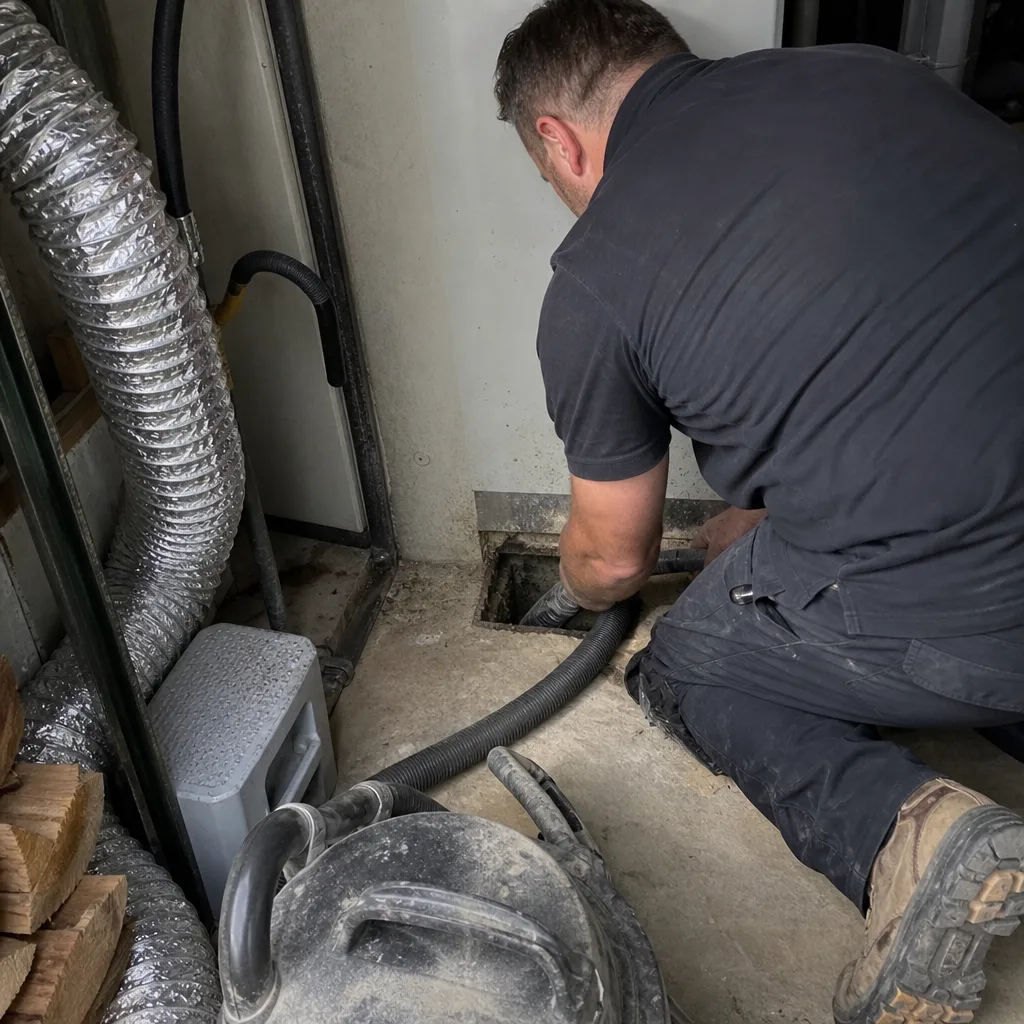 Before
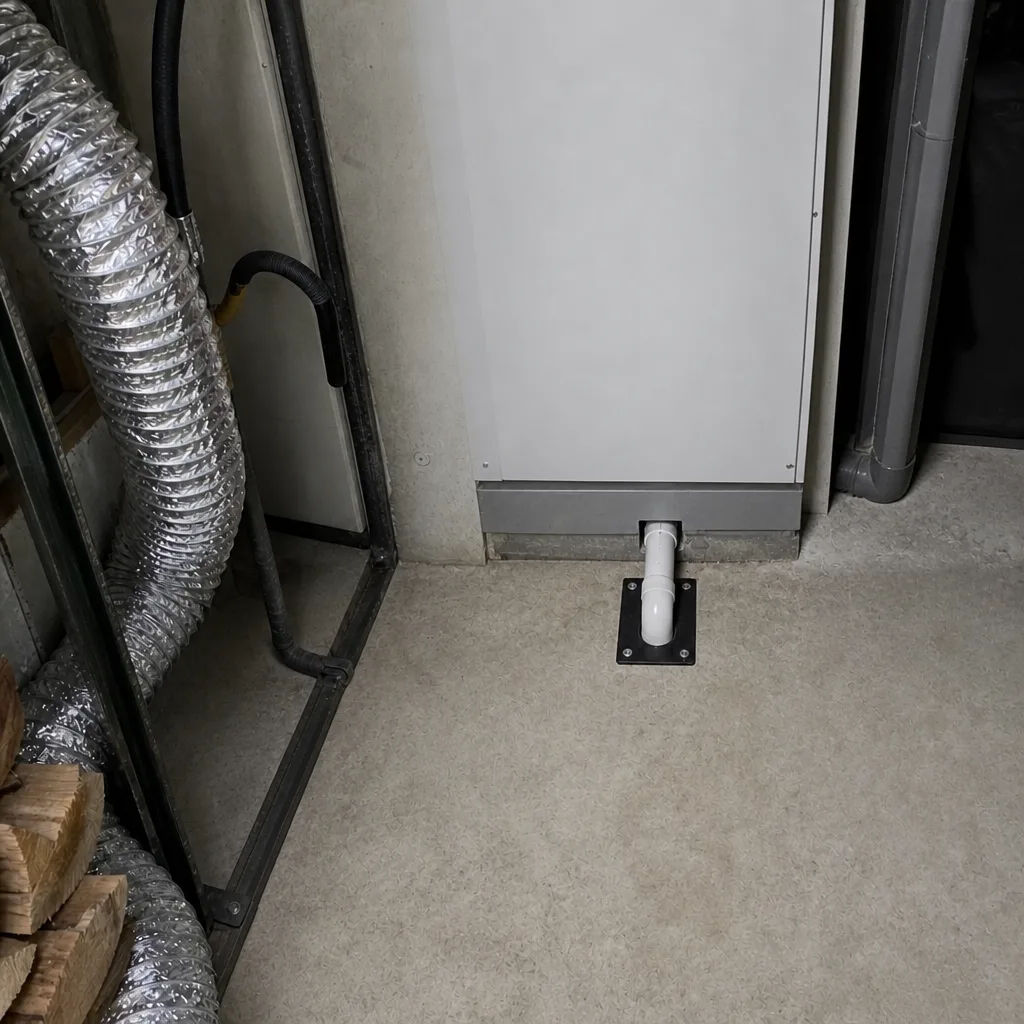 After
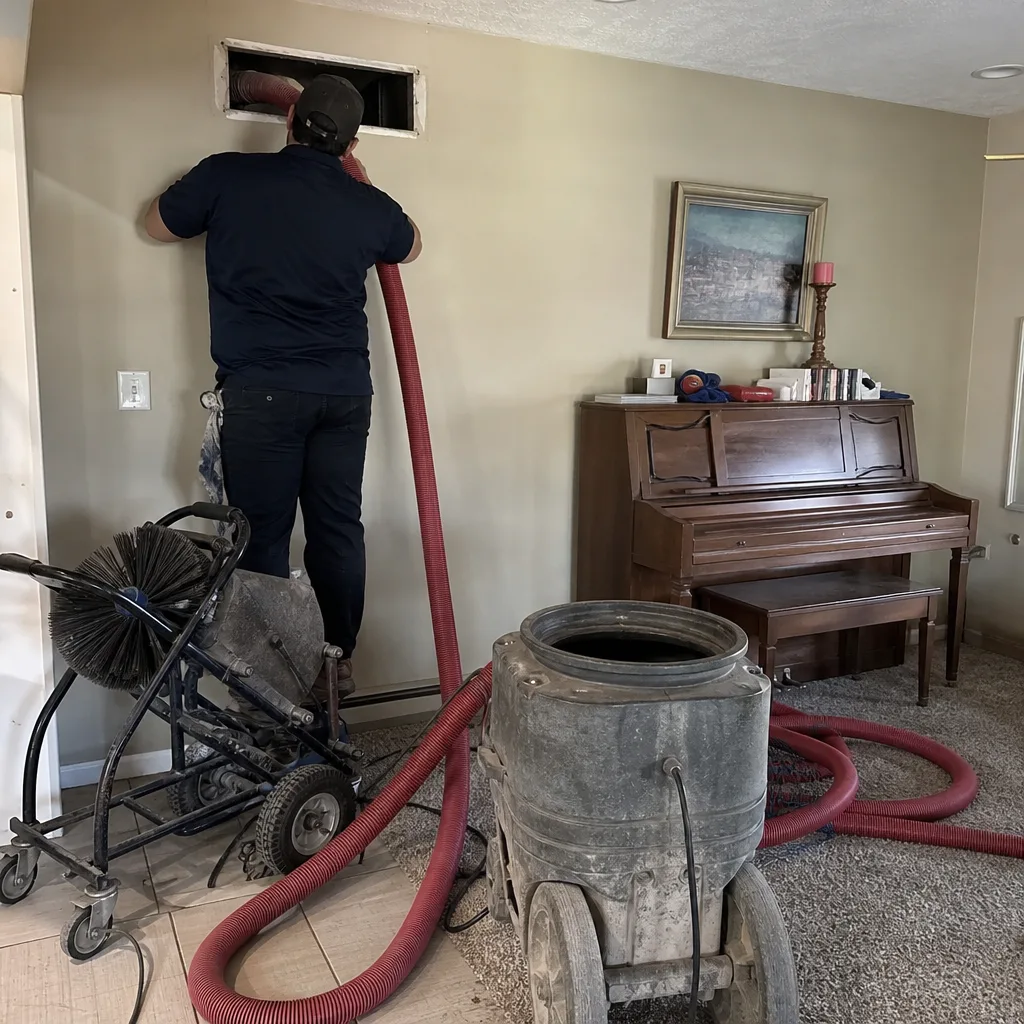 Before
 After
 Before
 After
When to Call a Professional
Book a professional cleaning when any of these are true: your tiered interval has come due, a trigger event has occurred (renovation, pest remediation, HVAC replacement, water intrusion), your filter is loading faster than its rated interval with an uneven pattern, or you notice musty or dusty odors when the system runs. Also call if airflow has dropped noticeably or you’re seeing visible debris at the registers. Roy Air Duct Cleaning offers free estimates in Roy. Call (877) 389-1745 and we’ll assess your system and set an honest next-interval date for your schedule. We answer 24/7. Fast dispatch from 7am to 7pm.
Frequently Asked Questions
In Roy, most homes need professional air duct cleaning every 2 to 4 years. Move toward 2 years with pets, allergies, renovation, or a home older than about 15 years; move toward 4 only with no pets and good filtration kept on schedule. Call (877) 389-1745 for an exact quote – estimates are free.
Pricing depends on system size, duct layout, and contamination level, which is why we set one flat price per system after assessing your home and agree it in writing before work starts. We don’t quote per vent and we don’t use teaser coupon pricing. Call (877) 389-1745 for a free estimate and a written number for your system.
A cheap quote often means no negative-pressure equipment, no real duct interior work, and a job that stirs contamination more than it removes. Our work uses Rotobrush and Nikro systems and Abatement Technologies filtration, so the price reflects a genuinely different process. Call (877) 389-1745 for a quote you can compare directly.
Ask for before-and-after photos of your own ducts and a written condition report. We provide both, and we set one flat price per system before any work begins, with a satisfaction guarantee backing the job. Call (877) 389-1745 to book an assessment.
Check it annually and book a professional clean when the run is long, airflow is weak, or lint buildup is visible. Lint in the vent is a fire risk, not a comfort issue, so it deserves its own schedule. Call (877) 389-1745 for a free estimate.
Yes – renovation is one of the strongest triggers to reset your schedule. Drywall dust and construction fines pull straight into the return air and settle deep in the system, so a cleaning after the project protects both air quality and your HVAC equipment. Call (877) 389-1745 to schedule it.
The Bottom Line
Roy’s high-desert conditions – inversion-season particulate, county agricultural dust, and nearby construction – accelerate duct contamination faster than the generic “every 3 to 5 years” rule accounts for. Build your schedule around your household tier, watch your filter’s loading pattern to catch changes early, and handle the between-cleaning tasks that actually matter: filter changes, register wipe-downs, and annual dryer vent checks. Reserve duct interior cleaning for professional-grade negative-pressure equipment. Then reset your interval whenever a trigger event occurs. With a schedule matched to how Roy actually breathes, you clean when it counts and skip the rest.
Call (877) 389-1745 for a free estimate. We answer 24/7. Fast dispatch from 7am to 7pm, Sunday through Friday.
Written by the team at Roy Air Duct Cleaning.