
Last updated November 23, 2026
 Whole-home duct cleaning
 Dryer vent cleaning
 Camera inspection
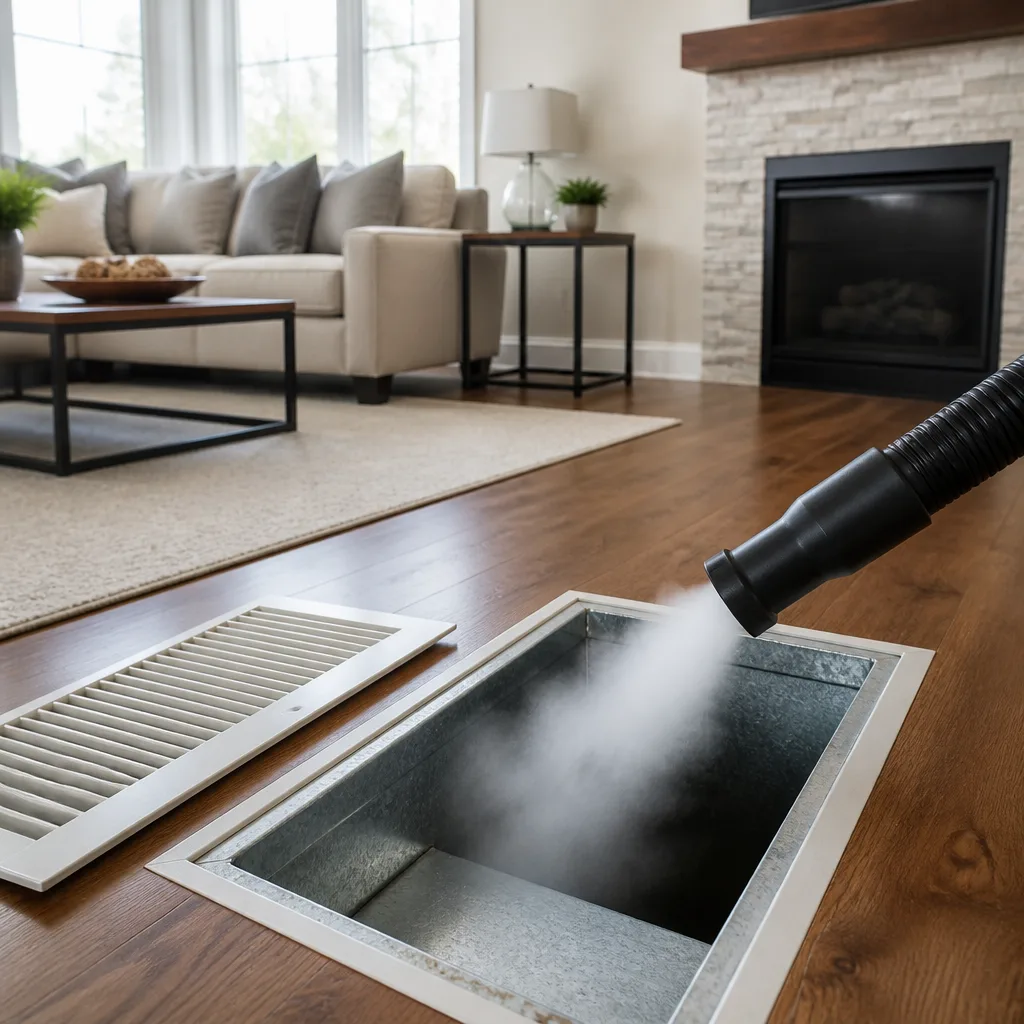 Sanitizing & deodorizing
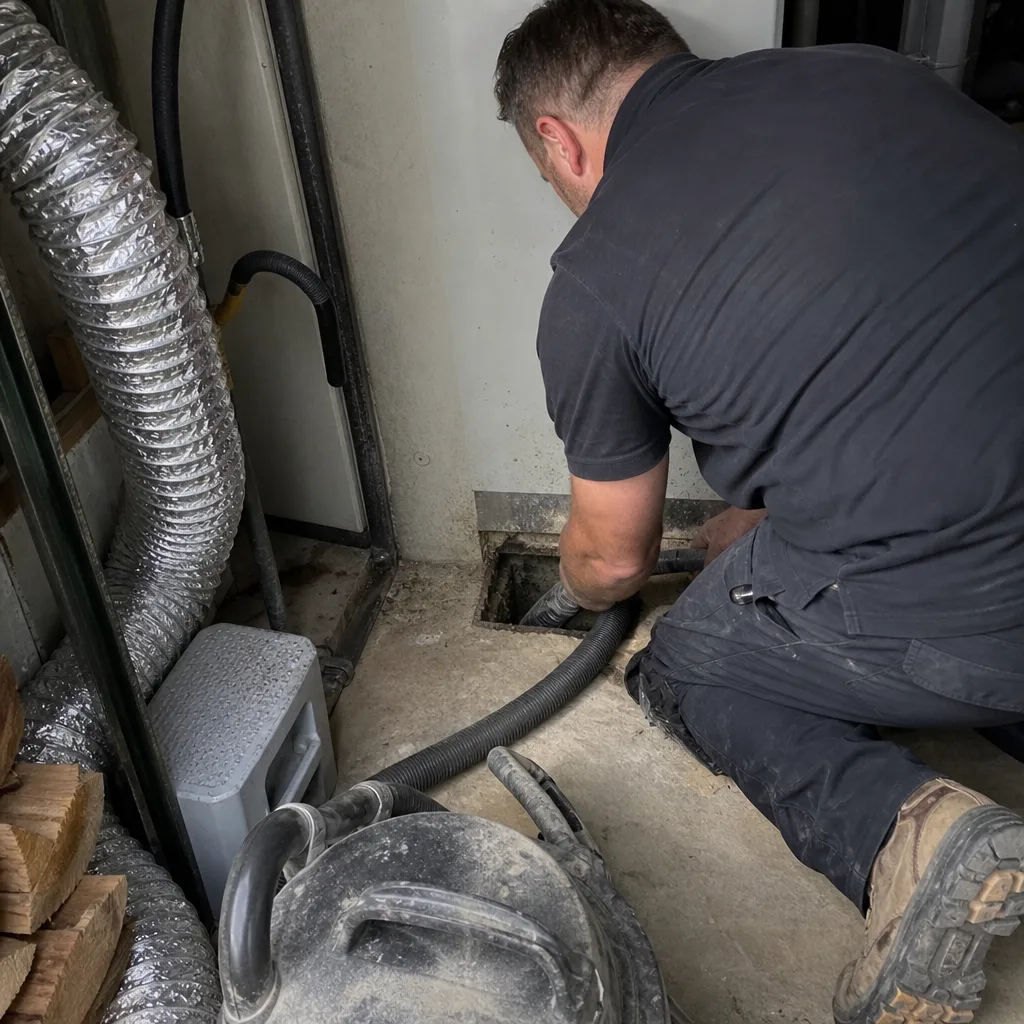
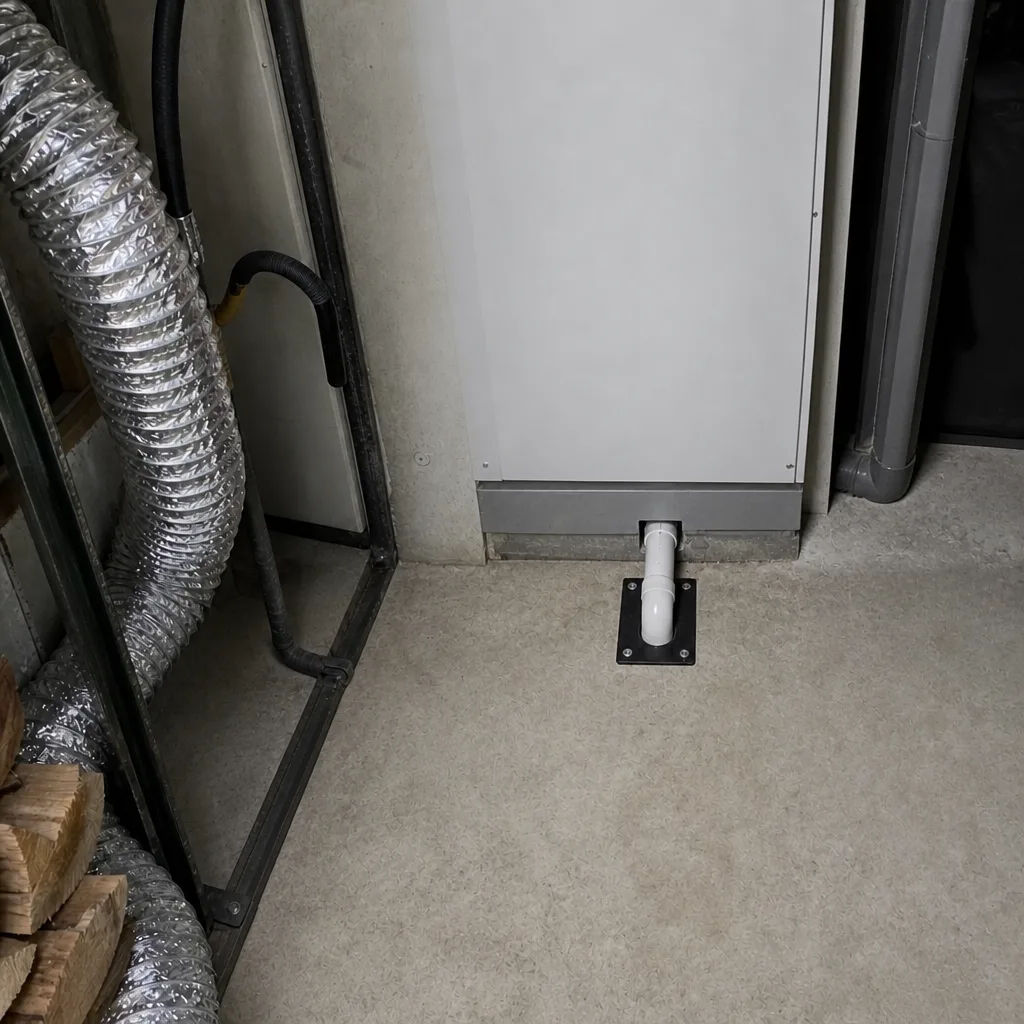
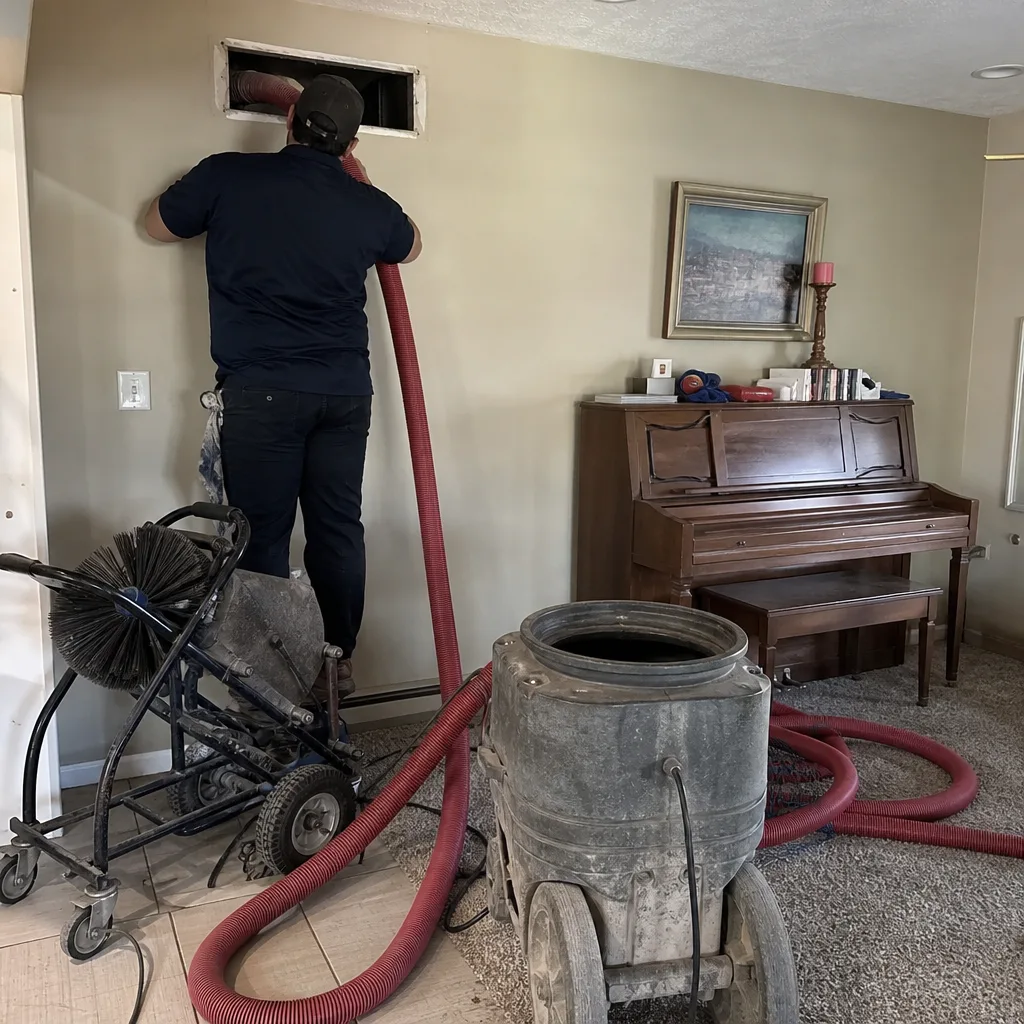
Whole-system duct and dryer vent check with before-and-after photos - you see exactly what came out of your vents
That "$99 whole-house special" is a bait ad - the real number appears once they are in your hallway, or the "clean" is a shop-vac at the register. We photograph the inside of your ducts before and after instead.
Air Duct Cleaning Maintenance Checklist for Roy Homeowners
Replacing a filter on schedule while your return plenum is coated in biofilm is like changing your car’s oil while ignoring a cracked radiator. The visible task masks the real one. Most duct maintenance advice stops at “change your filter,” which is a good habit that tells you almost nothing about what’s actually happening inside the system. What follows is a monitoring protocol, not a cleaning calendar: monthly, seasonal and annual checks that tell you whether your ductwork is trending toward a problem, which jobs you can handle yourself, and which ones need a camera or professional access. We’ll also cover what we at Roy Air Duct Cleaning look for on this side of the grille, and the Weber County conditions that change the timeline.
Quick Answer
An air duct maintenance checklist for a Roy homeowner is a monitoring routine, not a cleaning schedule. It means checking filter loading and register airflow monthly, watching for seasonal triggers like inversion-season dust and spring pollen, and scheduling professional inspection or cleaning when measurable signs appear: falling airflow at specific registers, visible dust at the grille, musty odors, or dust returning within days of cleaning. Most Roy homes need a professional look every few years, but the checklist tells you when, rather than guessing from the calendar.
Styles & brands we work with
- Whole-home duct cleaning
- Dryer vent cleaning
- Camera inspection
- Sanitizing & deodorizing
Table of Contents
- Monthly Checks: What You Can Do at the Register
- Building an Airflow Baseline So You Can Measure Degradation
- Seasonal Checks for the Roy Climate
- Annual and Multi-Year Professional Tasks
- Red Flags That Should Shorten Your Service Interval
- How a Sanitizing Schedule Differs From Mechanical Cleaning
- The Dryer Vent Belongs on the Same Checklist
- Documenting the Work So You Can Prove It Was Done
Monthly Checks: What You Can Do at the Register
Monthly checks take about ten minutes and give you most of the early-warning signal you’ll ever need. The point isn’t to clean anything deep; it’s to notice change. A duct system degrades quietly. By the time airflow loss is obvious from the couch, the problem has usually been building for a season or more.
Here’s the monthly routine we walk Roy homeowners through:
- Filter: Pull the filter and hold it up to light. A filter that’s matte gray by the fourth week means your home is generating more dust load than average, and you should shorten the replacement interval. Note the date you changed it.
- Register airflow (hand test): With the system on, hold the back of your hand about six inches from each supply register. You’re feeling for consistent, strong flow. Any register that feels noticeably weaker than the others goes on your watch list.
- Grille dust: Look at the face of each supply register. Light, even dusting is normal. A visible ring, dark streaks, or dust blowing off the grille when you run a finger across it points to a source upstream.
- Odor check: Stand near each return grille while the system runs. A musty, wet-cardboard smell suggests moisture or biological growth somewhere in the system. A sharp, dusty smell is more often dry debris.
- Return grille: The return collects the most. A return grille that’s visibly loaded within a month is pulling heavy particulate and is the first place to look when dust returns quickly after cleaning.
Write your readings down. A notebook by the thermostat works. The next section explains why the numbers matter more than the feeling. If any month shows two or more of these signs at once, that’s your cue to call a professional rather than wait for the annual review. Roy Air Duct Cleaning answers at (877) 389-1745 if you want to talk through what you’re seeing.
Building an Airflow Baseline So You Can Measure Degradation
Most homeowners judge their ducts by feel, and feel is unreliable. A system that’s been slowly losing airflow over eighteen months feels normal because it changed gradually. The fix is to set a baseline you can compare against. You don’t need lab equipment for this. You need consistency.
How to set a simple baseline
Pick a day, ideally a mild one, and do this once:
- Turn the system to fan-only so you’re measuring duct movement, not heating or cooling output.
- For each supply register, tape a single square of lightweight tissue or a thin strip of plastic to the grille so it hangs in the airstream.
- Note how far each strip deflects and at what angle. A phone photo of each register makes this easy to reproduce.
- Record the room, the register, the deflection angle, and the date.
- Repeat monthly on the same day of the week and compare photos.
What you’re looking for is change at a specific register, not uniform softness. If every register in the house weakens together, the cause is usually the blower, the filter, or a damper, and an HVAC technician should look at it. If one register weakens while others stay steady, the cause is a branch-level restriction: a collapsed flex run, a disconnected joint, or debris blocking a takeoff. That’s a duct problem, and it’s exactly the kind of thing that a camera inspection resolves in minutes.
Why baseline-beating matters
A baseline turns “I think the air feels weaker” into “the master bedroom register dropped from a 45-degree deflection to a 20-degree deflection in two months.” That’s a measurable trend, and it’s the difference between acting early and acting late. It also gives whoever inspects the system a starting point. When we do air duct cleaning in Roy, having the homeowner’s own baseline notes shortens the diagnostic conversation considerably.
The strongest version of this approach is documentation of the system’s condition over time, which is why we recommend keeping every inspection report in the same folder as your filter-change dates. More on that in the documentation section below.
Seasonal Checks for the Roy Climate
Roy sits in the Weber Valley, and the seasons here create three distinct loads on a duct system. Adjusting your checklist for each one is the most underused part of duct maintenance, because most generic checklists ignore local conditions entirely.
Winter and inversion season
Cold air and the valley’s winter inversions trap particulate near the ground. When inversion conditions persist, your system is pulling in higher concentrations of fine dust from the outdoor air and running its blower much more hours per day. That combination loads filters faster and pushes more debris into return plenums. During inversion season, check your filter every two weeks instead of monthly, and if the filter is matte within three weeks, shorten your replacement interval for the season.
Spring pollen surge
Northern Utah’s spring pollen load is heavy, and it arrives fast. Once trees and grasses begin pollinating, outdoor particulate entering through return air and door openings climbs sharply. This is the season to confirm your filter’s efficiency rating is appropriate, to check that the return grille is clean, and to watch register faces for the yellow-green film that pollen leaves. If you have allergy sufferers in the house, this is the season to consider a perimeter-grade filter and an HVAC cleaning if the coil and blower compartment show visible accumulation.
Post-construction and post-renovation dust
Any drywall work, flooring replacement, or insulation upgrade generates fine gypsum and silica dust that bypasses filters and settles in duct runs. If you’ve had work done in the last six months, add a professional inspection to the seasonal checklist regardless of the calendar. We see this constantly in Roy, where renovation activity keeps the local duct-cleaning schedule unpredictable. If work was done by someone who sealed off the registers with plastic, that helps, but the return plenum is almost always missed.
Fall wind and leaf season
The October wind events that roll through the valley carry leaves, seed pods, and grit into outdoor intakes and around the foundation. Check that no debris has collected against the outdoor unit and inspect the return air grille for the grit that gets tracked in from fall yard work.
Annual and Multi-Year Professional Tasks
Some checks are beyond what a homeowner can do without a camera, a proper vacuum, and access to the plenums. These are the tasks that belong on the annual or multi-year part of the checklist. What separates a real inspection from a sales visit is whether the technician actually enters the system.
Here’s what a professional annual review should include in a Roy home:
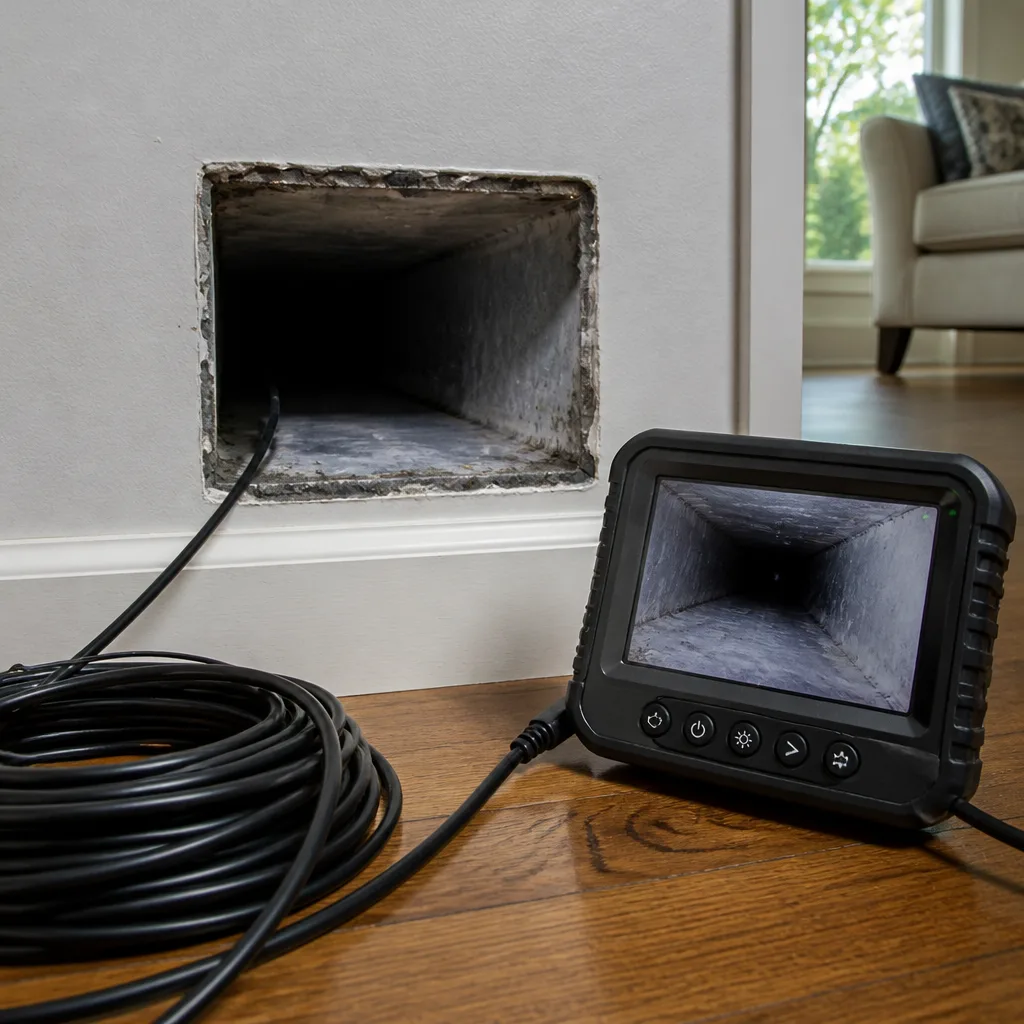
- Camera inspection of trunk and return plenums: A borescope or camera on a flexible rod shows whether the duct interior has dry debris accumulation, moisture, or biological growth. Without the camera, any assessment is guesswork.
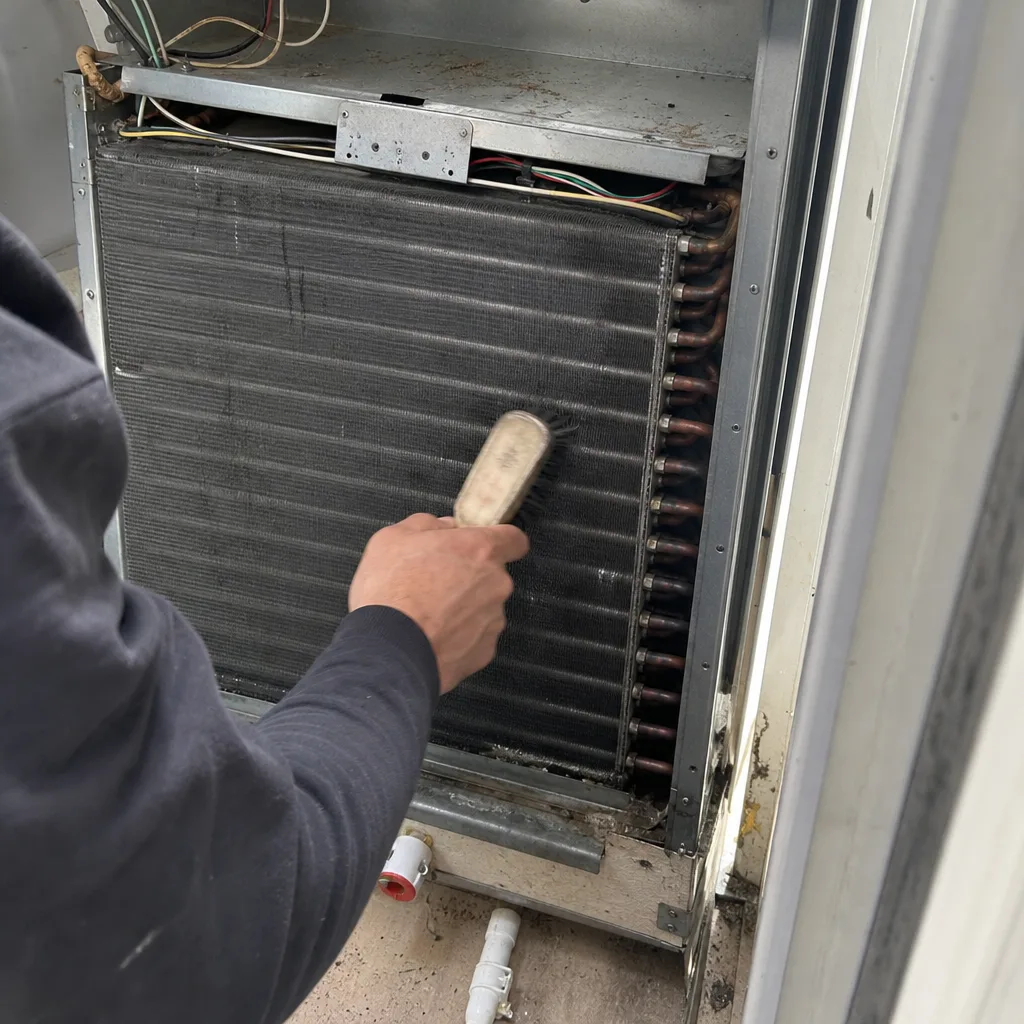
- Blower compartment and evaporator coil: A coil coated with dust and lint loses efficiency and can grow biological material. This is the check that tells you whether HVAC cleaning is due alongside the ducts.
- Duct joint and seam integrity: Disconnected or poorly sealed joints leak conditioned air into attics and crawl spaces. This is where duct repair and sealing enters the picture, and it’s a separate task from cleaning.
- Register and takeoff checks: A quick pass through every supply and return to look for blocked, disconnected, or damaged takeoffs.
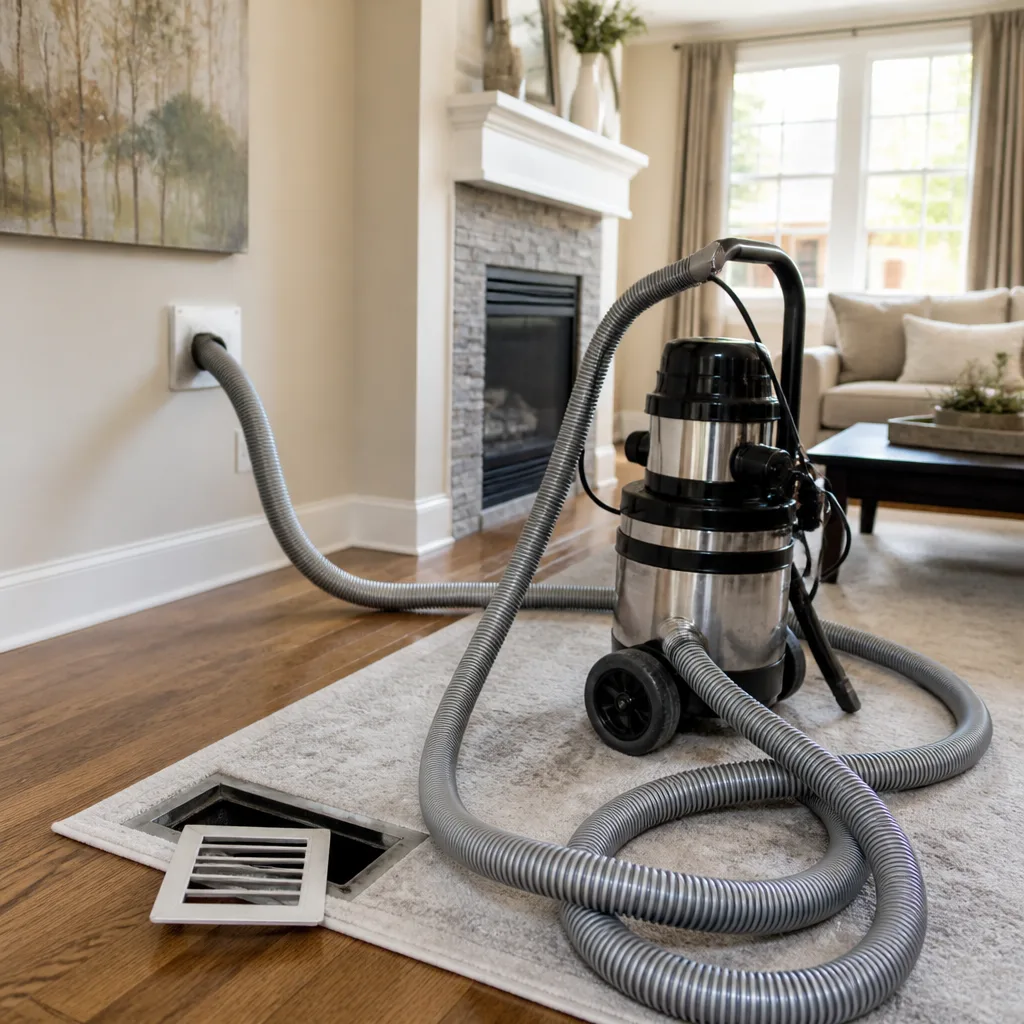
- Contamination containment during cleaning: A professional cleaning uses negative pressure and filtration to keep the debris from being released into your living space during the job. Look for equipment that can filter the air being extracted; our work uses Abatement Technologies filtration for exactly this reason.
The multi-year task is a full mechanical cleaning and a re-inspection. Most clean, well-maintained Roy homes fall into a two-to-five-year cycle, but the number depends on your filter habits, whether you have pets, and how much the system runs. The checklist is what tells you where in that range you sit.
Red Flags That Should Shorten Your Service Interval
Not every home is on the same schedule. Some conditions shorten the interval dramatically, and recognizing them is what makes the checklist useful. When any of the following appear, don’t wait for the calendar. Have the system inspected now.
- Dust returns within a week of cleaning. The system is generating or pulling in debris faster than it’s clearing it. The source needs to be found, not cleaned over.
- Visible dark buildup inside a register. Dark, patchy, or greasy-looking buildup on duct interiors suggests moisture or oil mist, not ordinary settled dust. It’s a different problem with a different fix.
- Musty or biological odor when the system starts. Any persistent odor that comes on with the blower deserves an inspection. Odor is the system telling you something is growing or decomposing where you can’t see it.
- Recent water intrusion or rodent activity. Both leave material in ducts that cleaning alone won’t address. Rodent activity, in particular, means cleaning and then a sanitizing treatment.
- Recent restoration or pest remediation work. Any work that introduces fine particulate or chemical residue into the home should be followed by a duct inspection.
- Airflow at one register drops sharply while others stay normal. That’s a blockage or disconnect in a single branch, not a system-wide issue.
- Anyone in the home has developed respiratory sensitivity. A sudden change in how household air feels is a reason to check, not a reason to panic.
When any of these show up, a professional inspection is the sensible next step rather than another cleaning. Roy Air Duct Cleaning offers free estimates at (877) 389-1745, and the point of the estimate is to decide whether you need cleaning, HVAC cleaning, duct repair and sealing, or a sanitizing treatment. Those are different jobs, and a useful inspection tells you which one applies.
How a Sanitizing Schedule Differs From Mechanical Cleaning
Sanitizing and mechanical cleaning are two different jobs that get conflated constantly. Mechanical cleaning removes physical debris: dust, lint, construction particles, and biological material the vacuum can capture. Sanitizing applies a treatment to the surfaces that remain after cleaning, designed to reduce microbial load. You don’t sanitize a dirty duct any more than you paint over dirt; cleaning comes first, treatment after.
The schedule looks like this:
- Mechanical cleaning first. Full cleaning of the trunk lines, branches, and return plenums. Without this step, sanitizing is decoration.
- Sanitizing treatment applied to cleaned interior surfaces. This is a follow-on step, not a replacement, and it’s most useful after moisture events, rodent activity, or a confirmed biological odor.
- Re-inspection to confirm the system stays clean. The point of re-inspection is to verify that the treatment was appropriate and the source of contamination is gone.
- Monitoring for recurrence. If a treated system smells musty again within a season, the underlying moisture or source problem needs a look, not another sanitizing treatment.
We don’t recommend sanitizing as a routine annual habit. It’s a tool for specific conditions, and it’s most effective when the mechanical work is done well first. If a company quotes you a sanitizing treatment without inspecting the ducts first, treat it as a sales pitch rather than a diagnosis.
The same logic applies to the hardware. When a system uses Honeywell or Aprilaire filtration and controls, the filter medium and the housing have to be serviced properly during cleaning. The equipment needs to be respected rather than bypassed. That’s part of why we work with and around those product lines specifically.
The Dryer Vent Belongs on the Same Checklist
A maintenance checklist that covers the HVAC ducts but ignores the dryer vent is missing one of the most consequential checks in the home. The dryer vent is a duct too, and it has its own failure mode: lint accumulation that restricts airflow and creates a fire hazard. It deserves monthly attention alongside the HVAC filter.
Monthly dryer vent checks
- Feel the exhaust: With the dryer running, hold your hand outside the exterior vent flap. You should feel strong, warm airflow. Weak or cool air means restriction.
- Check the flap: The exterior flap should open freely when the dryer runs and close fully when it stops. A stuck flap or one that stays open between loads is a sign.
- Time a load: If a load that used to dry in 40 minutes now takes 70, the vent is a suspect. Write down the timings so you notice the change.
- Inspect the lint trap: Clean it every load, and while you’re there, check the interior of the trap housing for lint bypassing the screen.
- Look behind the dryer: Coiled or crushed flexible transition hose traps lint. A straight or gently bent metal duct is safer.
Annual professional dryer vent cleaning
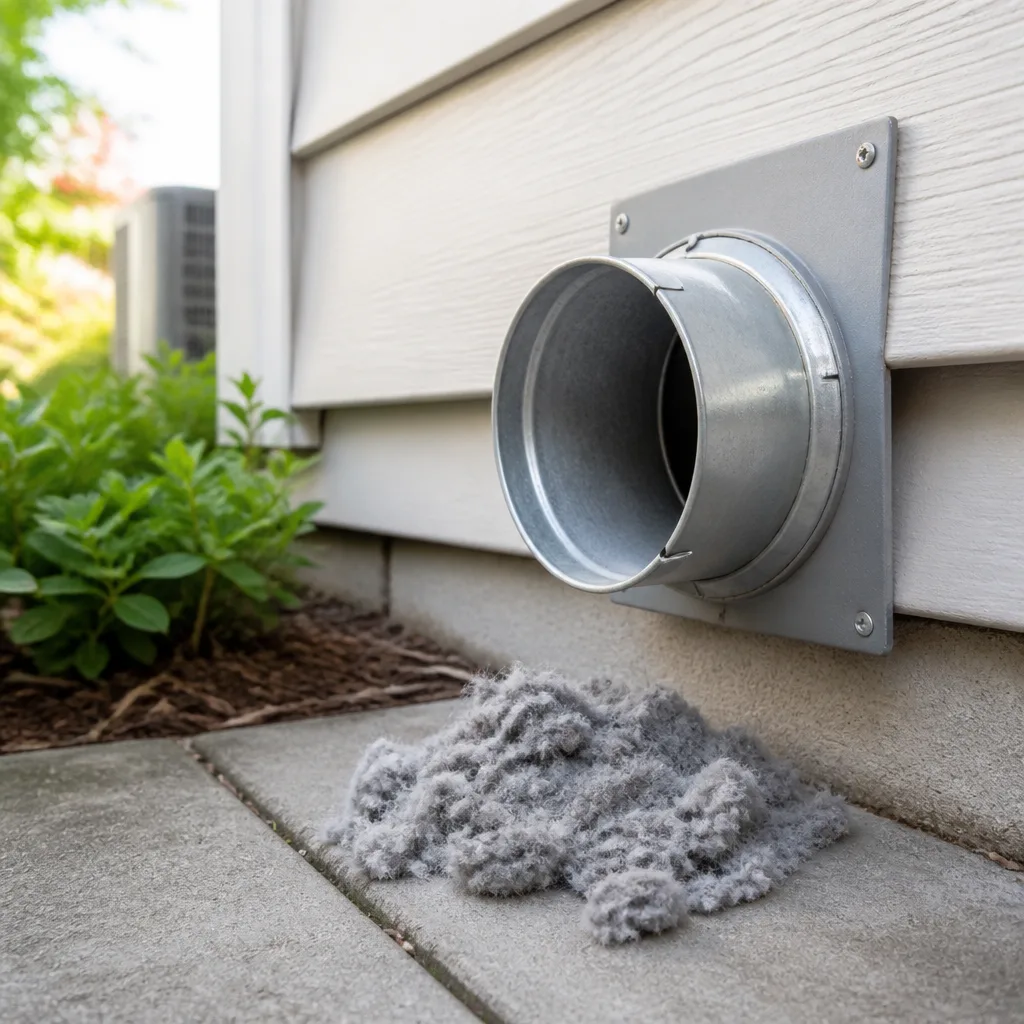
Once a year, have the full run cleaned and inspected from the dryer to the exterior. This becomes more important in homes with long or vertical vent runs, and in homes with the crimped flexible foil ducts that catch lint easily. dryer vent cleaning is a scheduled service, not an emergency, and we include it in our full indoor air service because homeowners who care about duct health should care about this vent for the same reason.
Documenting the Work So You Can Prove It Was Done
The most common question homeowners ask after a duct cleaning is whether it actually happened. The honest answer is that most of the time you can’t tell, because you can’t see inside the ducts. Documentation closes that gap, and it’s something you should require on every service visit.
What to keep on file for each service:
- Before-and-after photos of the register interiors and plenum sections. Any reputable provider can supply these. Ask for them explicitly if they aren’t offered.
- The inspection report showing what was found and what was cleaned. A written record of the system’s condition at the time of service is the starting point for comparison next time.
- Filter change dates and readings from your baseline. Your own notes, kept alongside the professional records, build a history that’s useful to any technician who looks at the system later.
- Notes on any duct sealing or repair performed. Sealing and repair change the system’s airflow, which changes your baseline readings. Note those dates.
- Dates of sanitizing treatments and the conditions that prompted them. This matters for judging whether a treatment was effective.
A documented history turns the next inspection into a comparison rather than a fresh guess. It also answers the question of whether the maintenance interval for your specific home is working, and whether it needs to be shortened or extended.
Common Mistakes to Avoid
- Treating the filter as the whole checklist. Changing the filter is the cheapest part of maintenance. It tells you nothing about what the return plenum or trunk line looks like. If your filter habit is good and you’ve never looked inside the system, you’re overdue for a look.
- Judging airflow by feel without a baseline. A duct system that degrades over months feels normal. Without a documented baseline, you can’t distinguish a slow decline from a steady system, and you’ll call for service too late or too often.
- Ignoring the return grille. Most visible dust in a home collects at the return. If the return grille is clean and the supply registers are dusty, look upstream. If the return is the dirty one, that’s where the load is coming from.
- Skipping the dryer vent. Duct cleaning companies that focus only on HVAC ducts leave a lint hazard behind. In Roy, where many homes have the laundry room on the main floor with a long vent run, the lint trap gets less airflow assistance and the risk is higher.
- Being sold sanitizing on a dirty system. Applying treatment without mechanical cleaning first does little. Cleaning should always precede sanitizing, never replace it.
- Accepting a cleaning without verification. Before-and-after photos and a written report are the minimum. If a company can’t produce them, you have no way to know what was actually done.
See the difference
 Before
 After
 Before
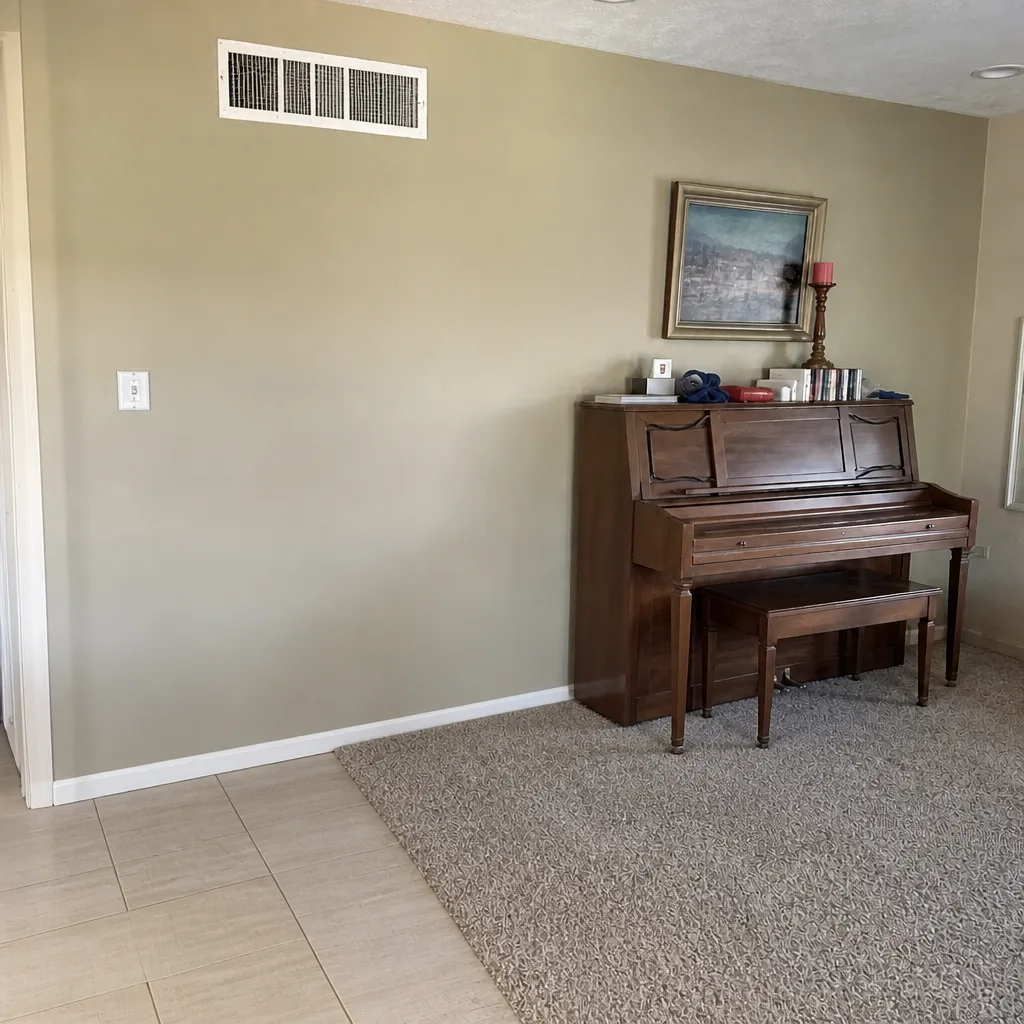 After
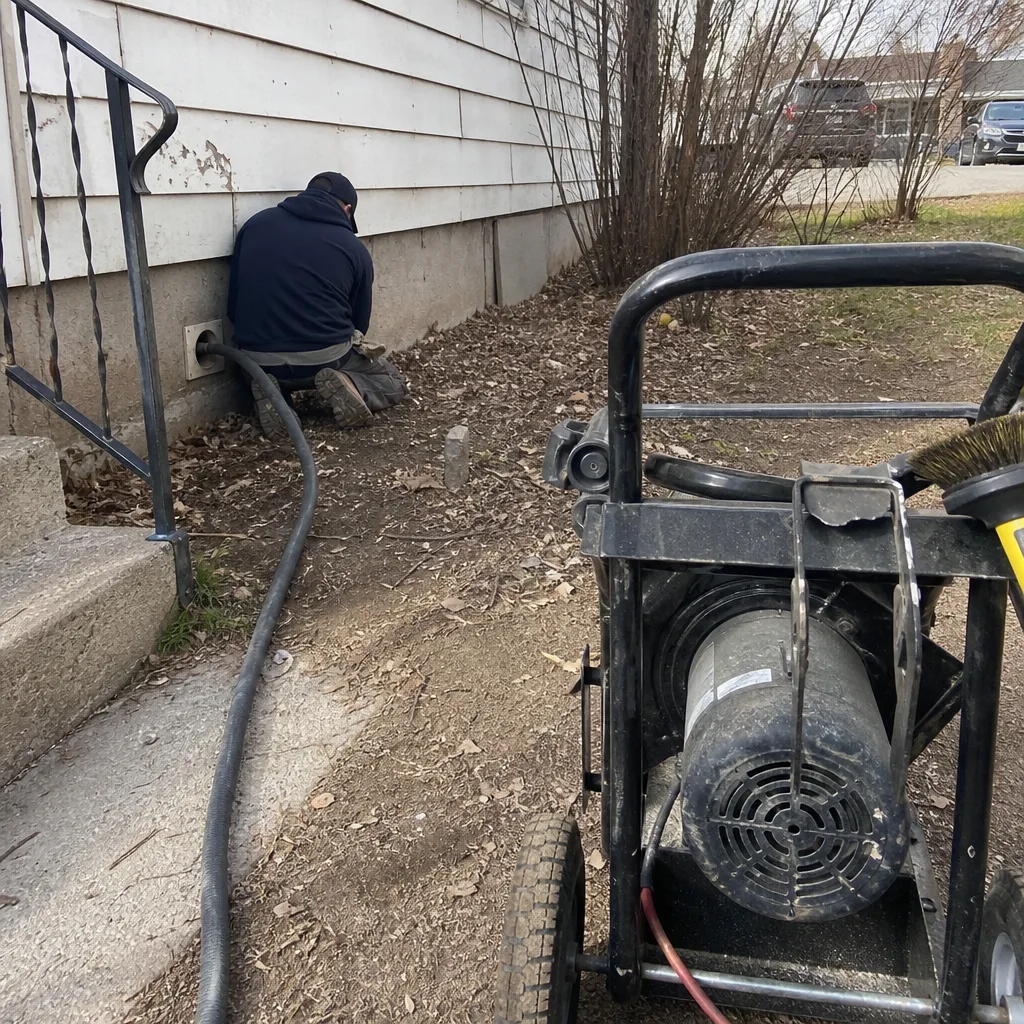 Before
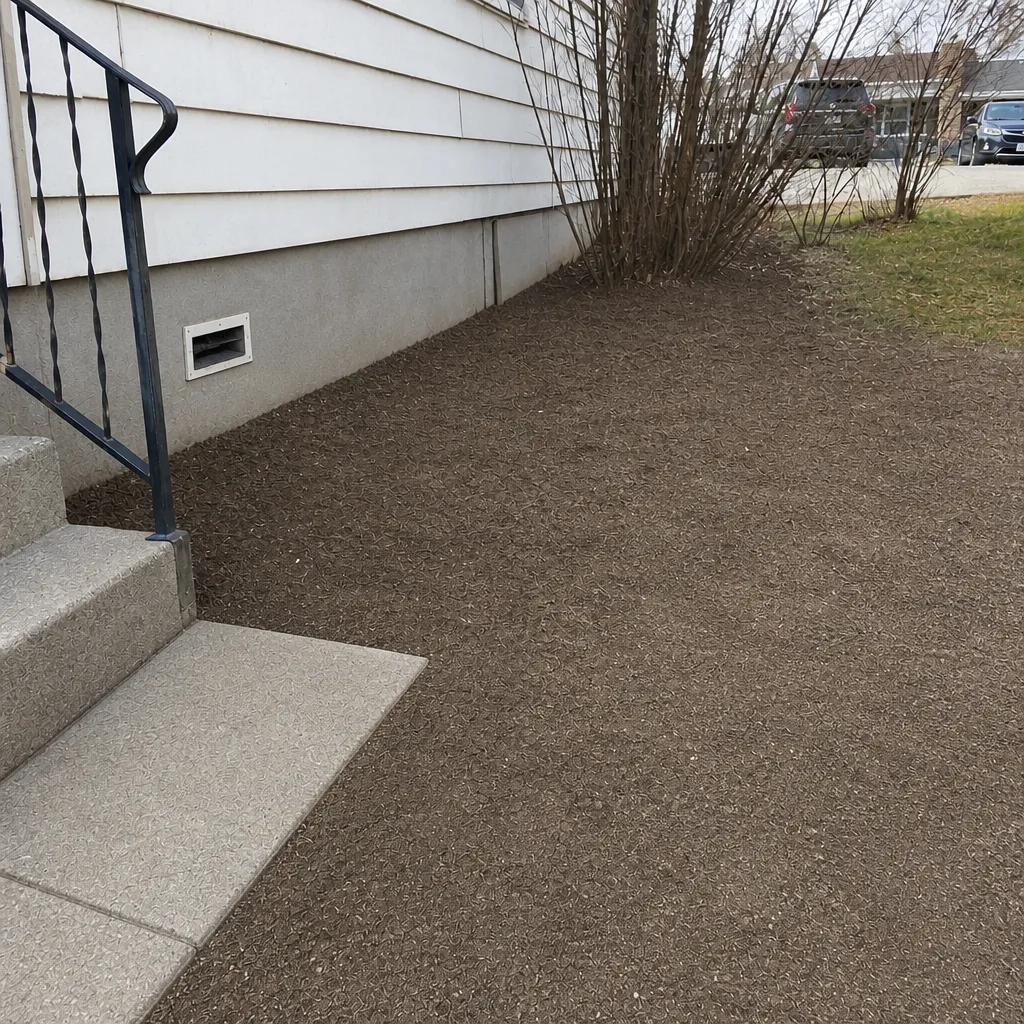 After
When to Call a Professional
Call a professional when your monthly checks show consistent change: two or more registers losing airflow at the same time, dust returning within a week of cleaning, a persistent odor that comes on with the blower, or any sign of moisture inside a duct. Call after any renovation, pest remediation, or water intrusion. Call for the annual dryer vent cleaning and any full duct inspection where you can’t see inside the system. And call if you’ve never had the ducts inspected and you’ve been in the home for several years with no record of one.
Roy Air Duct Cleaning offers free estimates in Roy. Call (877) 389-1745. We answer 24/7. Fast dispatch from 7am to 7pm, Sunday through Friday.
Frequently Asked Questions
Most Roy homes fall into a two-to-five-year cycle for full mechanical cleaning, depending on filter habits, pets, and how much the system runs. Homes with recent renovation, pest activity, or persistent dust problems need the shorter end of that range. The right way to decide is your monthly checklist: when warning signs appear consistently, the interval has shortened regardless of the calendar.
You can check everything at the grille and register, plus the filter and the exterior dryer vent. You cannot meaningfully check the inside of trunk lines, return plenums, or the evaporator coil without a camera and proper access, and cleaning those areas requires equipment that filters the air being extracted. Keep the homeowner checks; leave the interior evaluation to a professional.
During inversion conditions, check your filter every two weeks rather than monthly and shorten the replacement interval for the season. That’s the cheapest, most effective way to limit what your system circulates. If symptoms persist in the house even with good filter habits, have the return plenum and coil inspected, because the filter sits downstream of a lot of the system.
We price by the system, not by the vent. Total cost depends on how many registers, how much the system has accumulated, and whether you need duct repair, sealing, HVAC cleaning, or a sanitizing treatment alongside. Call (877) 389-1745 for an exact quote. Estimates are free, and the written estimate sets the final price.
Low quotes often reflect a visit that never enters the system: a blast of air at the registers, no camera, no plenum access, and no documentation. A real cleaning uses negative pressure and filtration to remove debris without releasing it into the home. Ask any company what equipment they bring and whether you’ll receive before-and-after photos. If the answer is vague, the price tells you why.
Ask for before-and-after photos of the register interiors and plenum sections, plus a written inspection report. Keep your own baseline notes alongside those records. At Roy Air Duct Cleaning, documentation is part of the service because the only way you can judge the work is by evidence rather than feel. Call (877) 389-1745 for an estimate and to see what that looks like.
The Bottom Line
Air duct maintenance is a monitoring protocol, not a calendar. The monthly register checks and a documented airflow baseline tell you when your system is trending toward a problem, and the seasonal adjustments for inversion dust, spring pollen, and post-construction particles tell you when to look harder. Dryer vent checks belong on the same list, and documentation is what lets you verify the work was done and compare year to year. When the signs line up, call a professional rather than guessing. Roy Air Duct Cleaning handles the full scope in Roy, from cleaning and HVAC cleaning to sealing and sanitizing, and a free estimate is the fastest way to find out what your system actually needs.
Call (877) 389-1745. We answer 24/7. Fast dispatch from 7am to 7pm, Sunday through Friday. Learn more about Roy Air Duct Cleaning and dryer vent cleaning as part of the same maintenance conversation.
Written by the team at Roy Air Duct Cleaning.