
Last updated November 23, 2026
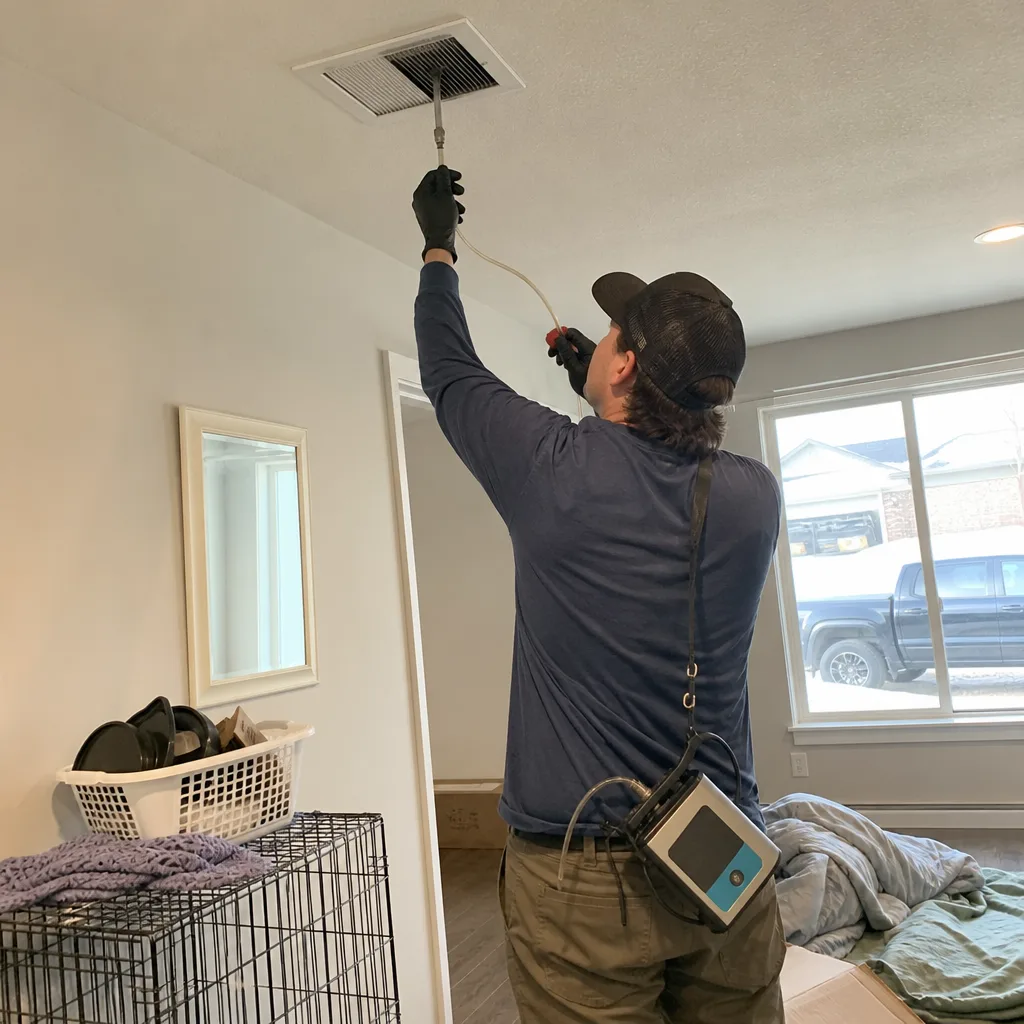
 Whole-home duct cleaning
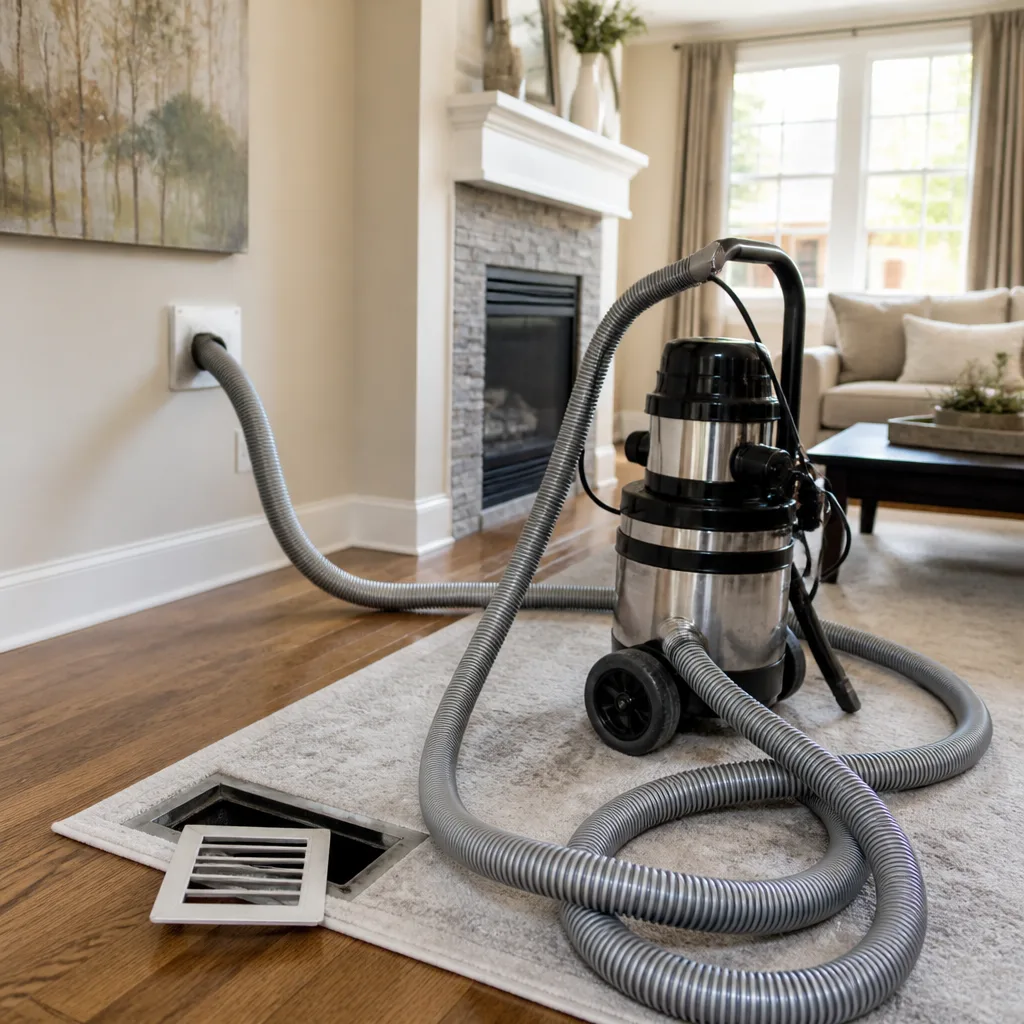
 Dryer vent cleaning
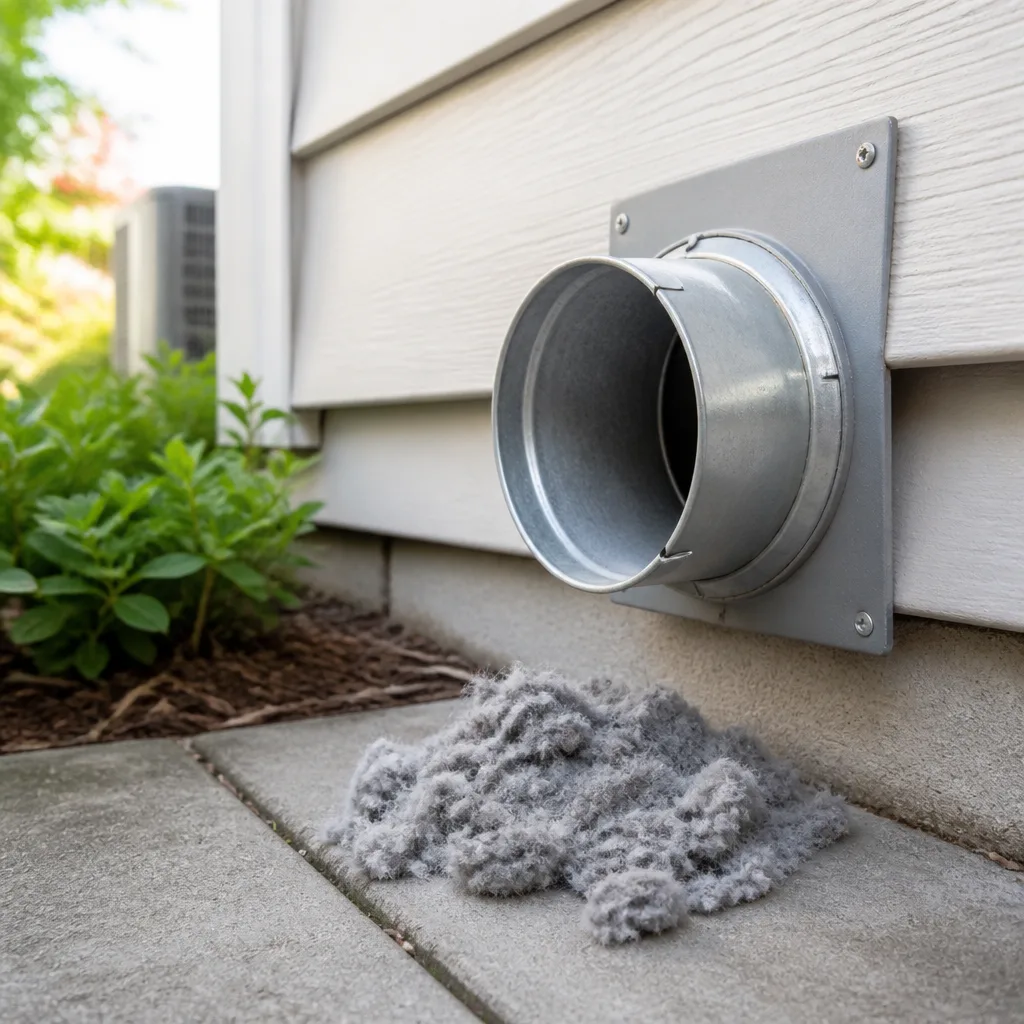
 Camera inspection
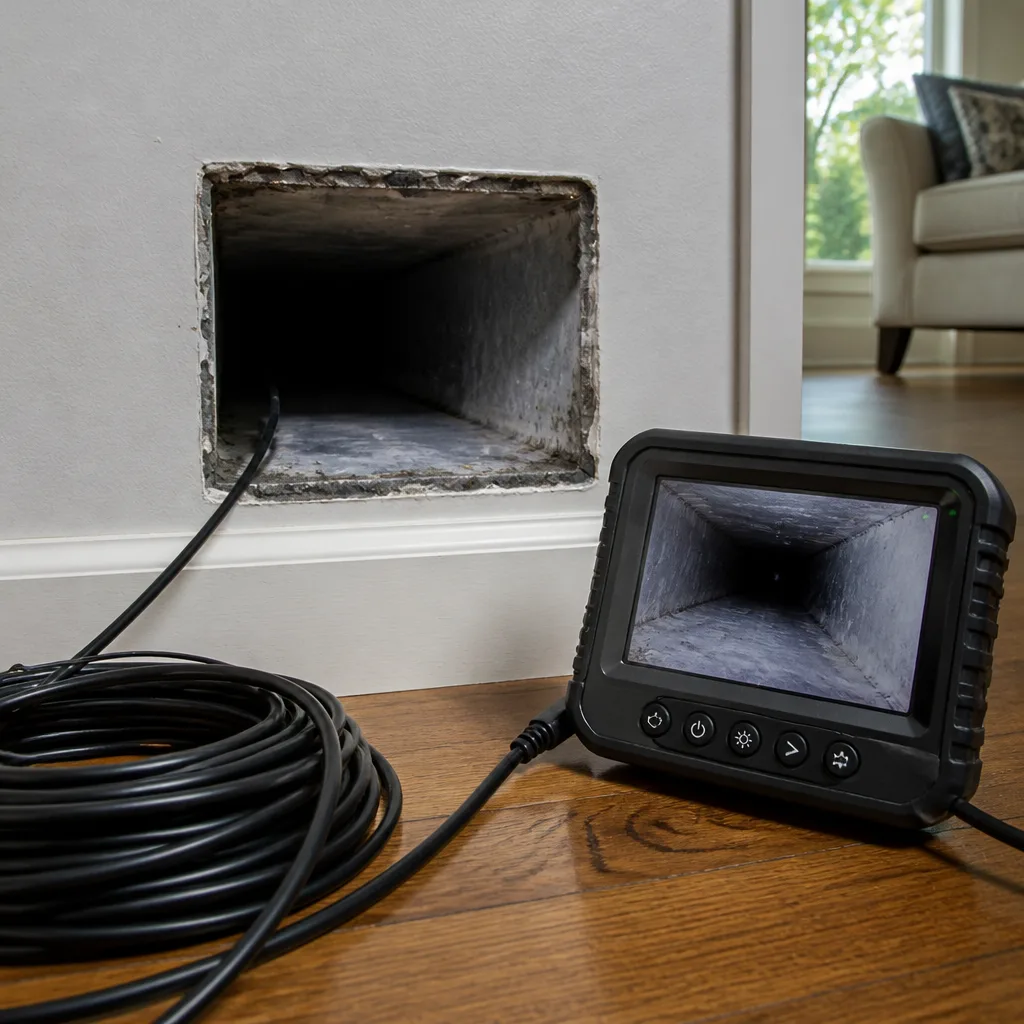
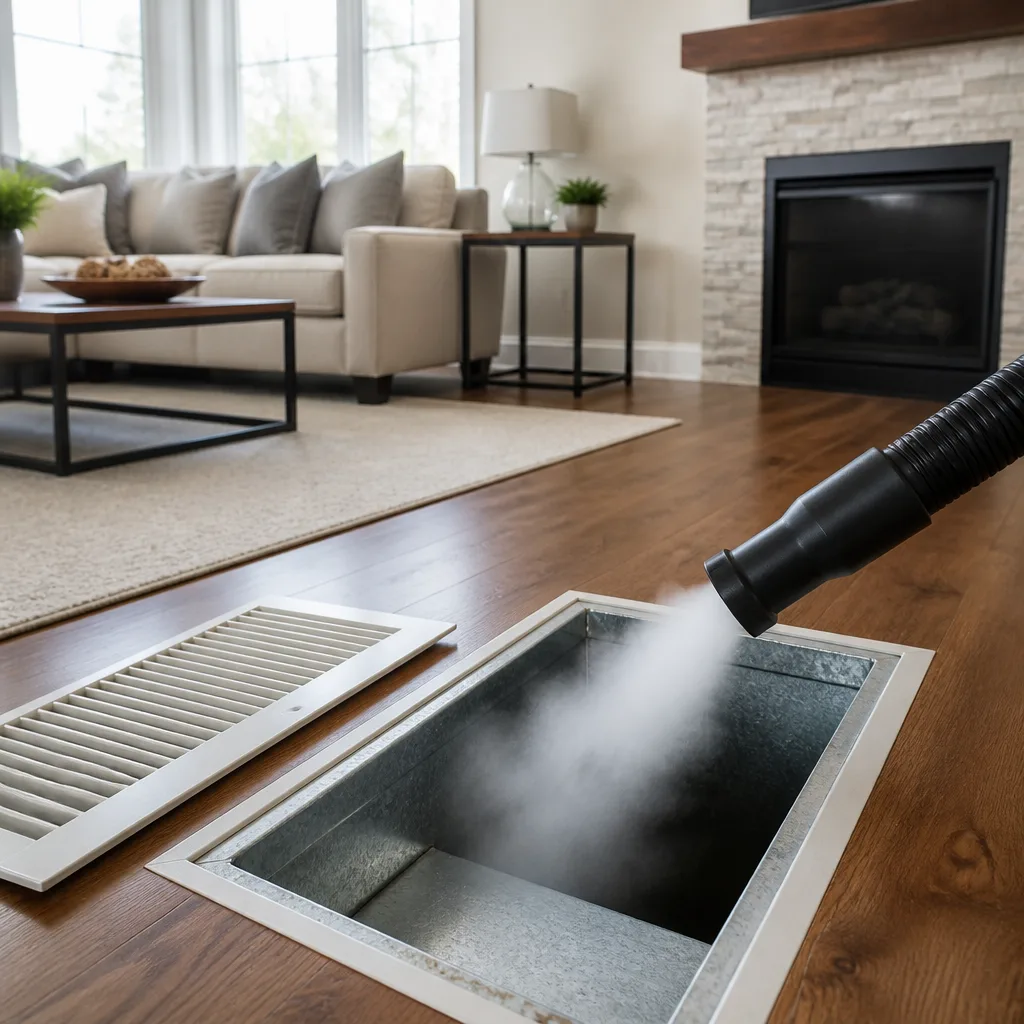 Sanitizing & deodorizing
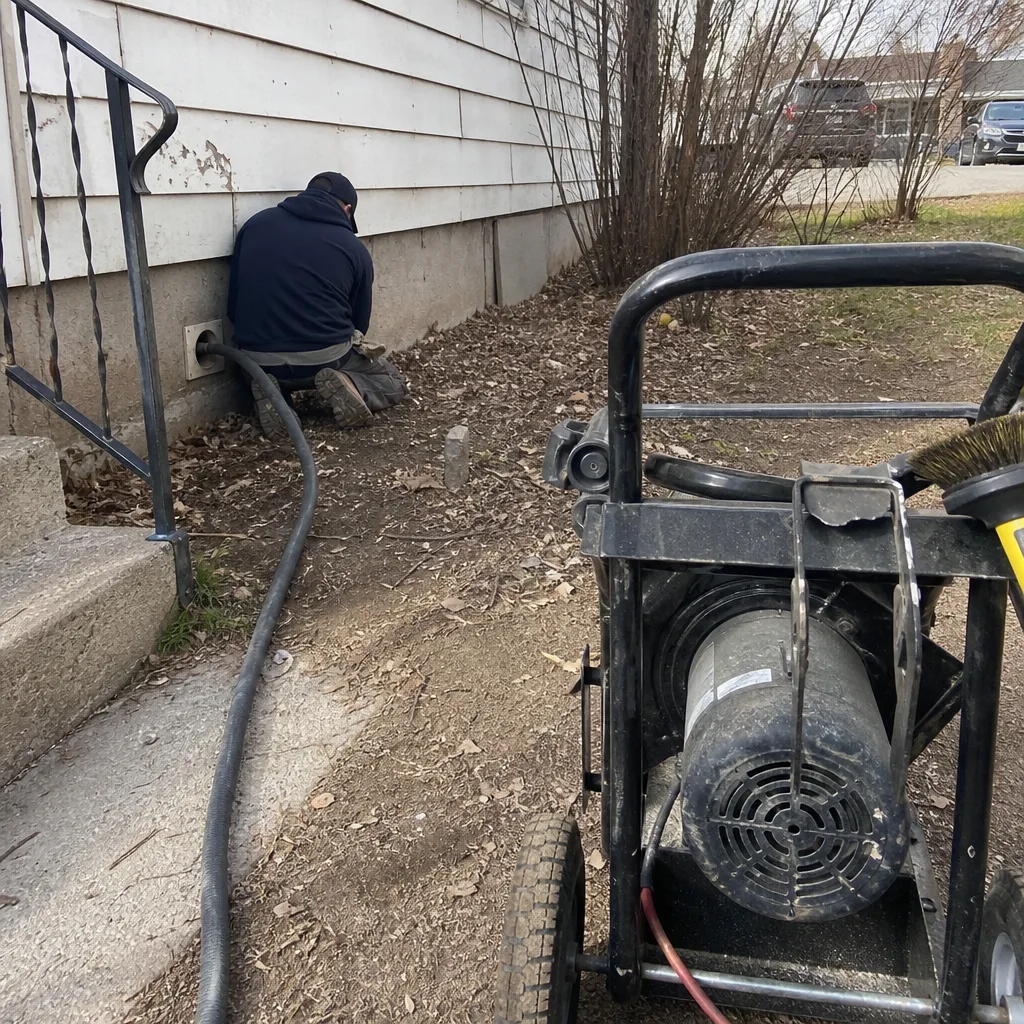
Whole-system duct and dryer vent check with before-and-after photos - you see exactly what came out of your vents
That "$99 whole-house special" is a bait ad - the real number appears once they are in your hallway, or the "clean" is a shop-vac at the register. We photograph the inside of your ducts before and after instead.
DIY vs Professional Air Duct Cleaning: The Roy Homeowner’s Decision Guide
Here’s the part most DIY guides won’t tell you: a homeowner with a Shop-Vac and a dryer vent brush can genuinely clean the register covers and roughly the first 18 inches of a branch run. That’s real, and it’s worth doing. But everything past that point runs into a physics problem no consumer tool solves – moving enough air, at enough pressure, in the right direction, to carry debris out of the system rather than deeper into it. This guide is written to help you decide honestly where your own effort adds value and where it can’t, what Roy homes specifically deal with, and how a five-minute look at your own duct layout can tell you which category you’re in.
Quick Answer
DIY air duct cleaning in Roy works for surface-level maintenance – register covers, vent grilles, the first stretch of accessible branch duct, and filter upgrades – but it cannot clear trunk lines, remove settled debris from long runs, or extract contamination without pushing it toward your air handler. Professional cleaning is the right call when you have visible dust buildup, musty odors, recent renovation or pest activity, or a system with long or flex duct runs. Roy Air Duct Cleaning uses professional-grade Rotobrush and Nikro equipment plus Abatement Technologies filtration to do the extraction a shop vac can’t.
Styles & brands we work with
- Whole-home duct cleaning
- Dryer vent cleaning
- Camera inspection
- Sanitizing & deodorizing
Table of Contents
- How deep can a homeowner actually clean a duct system?
- Why does DIY cleaning push debris toward the air handler?
- The equipment gap: CFM, negative pressure, and trunk lines
- When DIY maintenance between professional visits genuinely helps
- How your Roy home’s duct layout changes the answer
- Dust, dryness, and what closed-up Utah homes do to duct systems
- A step-by-step way to evaluate your own system
- What each path really costs you
How deep can a homeowner actually clean a duct system?
A homeowner can realistically clean about the first 18 inches of any duct run they can reach, plus every register cover and return grille in the house. That’s the honest boundary. It’s not a knock on DIY effort – it’s a statement about what a hand tool and a wet/dry vac can physically reach through a rectangular opening that’s often six inches wide and turns a corner within a few feet.
What a homeowner can address:
- Register covers and return grilles, which collect a visible film of dust and pet hair and come off with a screwdriver.
- The first foot or so of straight branch duct behind each register, reachable with a brush on a flexible rod.
- Loose debris sitting immediately inside a floor or ceiling vent boot.
- Filter replacement and filter slot cleaning – the single highest-return task in this whole discussion.
- The visible portion of a dryer vent run at the dryer connection, which matters for safety as well as airflow.
What a homeowner can’t address:
- Trunk lines and plenum areas, which are the widest and usually the dirtiest parts of the system.
- Settled debris in horizontal runs, which once compacted doesn’t lift with suction from a distant register.
- Duct interiors past a turn, a transition, or a flex-duct sag where a brush can’t follow.
- Contamination attached to duct walls – dust that’s bonded, not loose – which needs mechanical agitation, not just vacuum.
In our experience across Roy, the gap between what a homeowner reaches and what actually needs cleaning is usually the largest in older homes with long basement trunk lines and in newer construction where flex duct was run through tight chases during the build. Both are common here, and both are cases where surface cleaning looks like progress without being much of it.
Why does DIY cleaning push debris toward the air handler?
Because suction pulls from wherever the strongest opening is, and in a typical home that’s the wrong end of the system. When you put a vacuum at a register, you create a low-pressure pocket at that register. Air rushes in from the nearest leaks and gaps – which on most duct systems means seams, joints, and the return side – and that airflow can drag loose dust along the duct wall in the direction of the air handler before it ever reaches your vacuum nozzle.
This is the part that surprises people. Cleaning that feels productive can leave the system slightly worse off, because you’ve loosened dust that was sitting quietly and moved it to a place where the blower will pick it up and send it into the evaporator coil. A dirty coil is a much bigger problem than dirty duct walls – it costs airflow and eventually cooling performance.
The professional process works the opposite way. Negative pressure is established at the main trunk or plenum, so the entire system is under vacuum before any agitation begins. Then compressed air and mechanical brushes loosen debris from the walls while the vacuum holds it moving in one direction – out. Abatement Technologies filtration in that airstream is the containment step: it captures fine particulate at the extraction point instead of letting it settle back into the house. That two-part approach – hold pressure, then agitate – is what separates extraction from stirring.
What good agitation looks like versus a brush on a rod
A hand brush on a rod applies force at a single point and only where you can reach. Professional systems like the Rotobrush line use air-driven whip and brush heads that expand to the duct’s interior profile and scour the full circumference while under continuous vacuum. The difference isn’t effort. It’s coverage per pass and the fact that nothing is released without extraction running.
The equipment gap: CFM, negative pressure, and trunk lines
Clearing a trunk line is an airflow problem before it’s a cleaning problem. To lift settled debris out of a large rectangular duct and carry it to a collection point, you need a volume of air moving through the system fast enough to keep particles suspended for the length of the run. That’s measured in cubic feet per minute. A typical shop vac moves a small fraction of what a truck-mounted or high-capacity professional unit generates, and it generates that fraction through a narrow hose that can’t seal to a trunk opening anyway.
Here’s the practical comparison:
- Consumer wet/dry vac: modest CFM, small hose diameter, no way to establish system-wide negative pressure. Good for a register boot. Not built for a 20-foot trunk run.
- Consumer duct cleaning kits: brushes and rods that extend reach, driven by the same limited vacuum. They agitate; they don’t extract at scale.
- Professional systems (Rotobrush, Nikro): purpose-built duct cleaning machines with the airflow and hose sealing to hold an entire system under negative pressure while agitation runs. This is the class commercial contractors use, and it’s the reason a professional clean takes hours rather than minutes.
Nikro equipment plays a similar role on the collection and filtration side – high-capacity units designed to hold captured debris without dumping fine dust back into the room. When we describe our process in Roy, this is what we mean by professional-grade: not a bigger vacuum, but a different category of machine with a different job.
Why “more suction” isn’t the whole answer
If suction alone solved this, a shop vac with a good seal would do the work. It doesn’t, because the duct system has to be treated as a single connected volume. You need to control where air enters, where it exits, and how much of it moves, all at once. That’s engineering, and it’s the specific thing consumer tools are not designed for.
When DIY maintenance between professional visits genuinely helps
DIY upkeep between professional cleanings isn’t just busywork – done in the right places, it measurably slows how fast a system loads back up. The key is aiming that effort at the components that catch debris before it enters the ducts.
- Clean register covers and return grilles. Pop them off, wash them in a utility sink, dry them fully, and put them back. This removes the visible film that would otherwise get pulled into the duct the next time the blower runs.
- Vacuum the return grille face and the filter slot. The return side carries the dirtiest air in the house. A clean filter sitting in a dusty slot is only doing part of its job.
- Upgrade your filter – carefully. A pleated filter in the mid-efficiency range (not the highest restriction you can buy) captures far more fine dust than a fiberglass panel. Higher MERV isn’t automatically better: too much restriction starves airflow and strains the blower. Check your system’s rated filter spec before stepping up.
- Keep the area around returns clear. Furniture pushed against a return grille chokes the intake and pulls dust from wherever it can reach instead.
- Clean the dryer vent’s accessible section. Clear lint from the connection point and the exterior hood. That’s a safety task first and an efficiency task second.
What DIY upkeep can’t do is reset a system that’s already loaded. If you’ve had a renovation, pest remediation, or an HVAC replacement in the last year or two, routine maintenance isn’t the tool for the job. That’s a full extraction situation, which lands squarely in professional territory. Our air duct cleaning service addresses the whole system rather than the visible ends.
How your Roy home’s duct layout changes the answer
Two houses on the same street can have completely different answers to the DIY question, and the deciding factor is the duct layout. Before you decide, take a walk through your own home with a flashlight and look at these characteristics.
Long trunk runs. A basement or crawlspace trunk that travels 25 or 30 feet before branching is a system where debris settles in the middle, out of reach of any register-side cleaning. The longer the run, the more a professional extraction matters.
Flex duct. Flexible duct appears often in newer construction because it’s fast to install. It also sags, and those low spots collect debris. Worse, the corrugated interior gives dust far more surface area to cling to, and a consumer brush can catch and tear the liner. Flex duct should be cleaned with controlled tools and continuous vacuum, not aggressive hand work.
Tight crawlspaces and chases. If your ductwork runs through a crawlspace with limited clearance or gets boxed into wall chases during construction, much of it may be physically inaccessible to you. It isn’t inaccessible to a professional with the right hose lengths and sealing adapters.
Multiple stories and zone dampers. A two-story home with damper-controlled zones has more transitions, and transitions are where debris accumulates. They’re also where air leaks.
While you’re looking, check for disconnected joints, crushed sections, and gaps at the seams. In our experience, Roy homes frequently have small leaks at flex-to-metal connections that pull attic or crawlspace air into the system. That’s a repair issue, not a cleaning issue, and it’s why sealing matters alongside cleaning. Guarding against that kind of intrusion is part of what a full HVAC cleaning visit can identify.
Dust, dryness, and what closed-up Utah homes do to duct systems
Roy’s climate creates a specific pattern for duct systems, and it’s worth understanding because it changes how often cleaning actually needs to happen here. The region is dry for much of the year, which means a lot of fine, light particulate – soil dust, pollen, construction dust from nearby development – stays airborne longer than it would in a humid climate. It floats until it finds a return grille.
Then winter arrives and the windows close. A home sealed against the cold runs its furnace continuously for months, cycling that same air through the same ducts over and over. Every pass adds another layer to the walls and the filter. Spring brings the opposite problem: dust and pollen load spikes, and open-window season reintroduces everything that settled outside.
Two more local factors matter:
- New construction and ongoing development. Roy has seen substantial residential building, and construction dust is some of the most aggressive debris a duct system takes in – drywall particulate, sawdust, insulation fibers. Homes near active building or recently finished construction tend to need a first cleaning much sooner than the general recommendation suggests.
- Winter dryness and static. Low indoor humidity lets fine dust stay suspended instead of settling, which keeps more of it circulating and more of it landing in the filter and the ducts.
That combination – fine dust, long closed-window seasons, and cycles of heavy furnace use – explains why a Roy home can develop noticeable dust film and musty smells faster than the same house in a more humid climate. It doesn’t mean annual cleaning for everyone. It means timing should reflect how the system actually loads, not a calendar rule. Our Roy Air Duct Cleaning team has watched this pattern play out across the city and treats it as a starting point for evaluating a system rather than a sales argument.
A step-by-step way to evaluate your own system
You can make this decision in about twenty minutes with a flashlight and a screwdriver. Work through these in order and be honest about what you find.
- Check the visible dust film. Look at a return grille you haven’t cleaned recently. A thin, even film is normal. A thick mat of dust, pet hair, or black residue suggests the system is loaded and needs extraction.
- Ask your nose. A musty or stale smell from a vent when the system starts is a sign of organic material – dust plus moisture – somewhere in the system. That’s a professional job, not a DIY one.
- Trace your ductwork. Use the layout criteria above. Long runs, flex duct, inaccessible chases, and multiple transitions all argue for professional cleaning.
- Look for return air leaks. Feel around joints at the air handler and in the accessible ducts while the system runs. Air moving the wrong direction means you’re pulling in air you shouldn’t be.
- Check the filter and its housing. A loaded filter or a dirty slot means the intake side is working hard. Replace and clean, then re-evaluate in a month.
- Clean one register thoroughly as a test. Remove the cover, vacuum the accessible boot, wipe the face. If you can reach meaningful debris within arm’s length, you’ve found your DIY lane. If the duct turns immediately or is flex, stop there.
- Decide based on the worst finding. If any single check points to a loaded, smelly, or leaky system, the rest of the DIY work won’t compensate. Schedule an inspection.
One word of caution on the filter step: don’t skip past your system’s rated filter specification to chase a higher number. A filter that’s too restrictive is worse than a moderately dusty system, because the blower works harder and airflow drops. Match the filter to the equipment.
What each path really costs you
Comparing DIY to professional cleaning isn’t just a dollar comparison, because the two don’t produce the same result. But it helps to see the trade-off honestly.
- DIY: a modest cost in tools and supplies – a brush kit, a wet/dry vac, filters. The time is real, and the result is limited to surface and first-access areas. It’s genuinely good value for the maintenance tasks listed above.
- Professional: a per-job cost set by written estimate, in exchange for full extraction with professional equipment, whole-system coverage, containment filtration, and an inspection that catches leaks and disconnected joints. The written estimate is the final price, so you know the number before work starts.
The mistake to avoid is the middle path: hiring a cheap service that shows up without proper equipment and runs a shop vac through the same registers you could have done yourself. That’s paying professional prices for DIY results, or worse, for the agitation-without-extraction problem described earlier. Ask what machines they use. If the answer is a portable wet/dry vac, you’ve learned what you need to know – and you can find a better-equipped dryer vent cleaning and duct service. We use Rotobrush and Nikro because the equipment determines what the job actually achieves.
Common Mistakes to Avoid
- Pushing dust toward the air handler. Vacuuming from a register without system-wide negative pressure can drag loose debris in the wrong direction, toward the blower and coil. If you can’t hold the whole system under vacuum, stay out of the ducts past the register boot.
- Buying the highest-MERV filter as an upgrade. The highest restriction filter you can find can starve airflow and strain your blower. Match the filter to your system’s rated spec and change it on schedule instead.
- Tearing flex duct with a stiff brush. Flex duct has a thin corrugated liner that a hand brush can catch and rip. A damaged inner liner becomes a permanent dust trap and a leak point.
- Assuming register cleaning is duct cleaning. Cleaning the covers removes the visible evidence, not the contamination. In a Roy home with long trunk lines, the dirt is usually deepest where you can’t see it.
- Mistaking a cheap quote for a thorough clean. A price that seems too low often reflects equipment that can’t do the job. Ask what machines will be used and whether the process includes containment filtration.
- Ignoring the dryer vent. The dryer vent is separate from the HVAC ducts and is a leading cause of residential fires. Clear the accessible lint and have the full run cleaned as part of any duct service.
- Cleaning everything except the system’s air leaks. Cleaning ducts while leaving disconnected joints and gaps in place means the system reintroduces attic or crawlspace air immediately. Cleaning and sealing belong together.
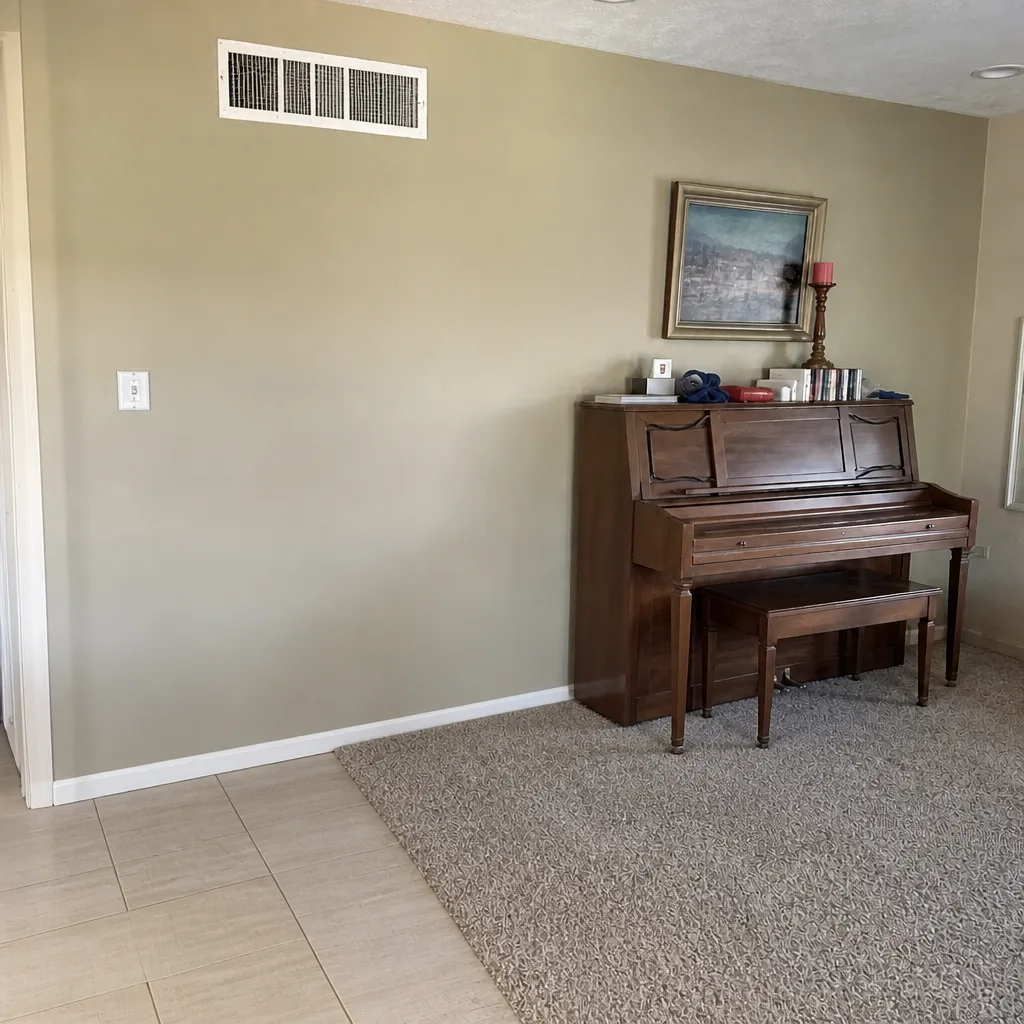
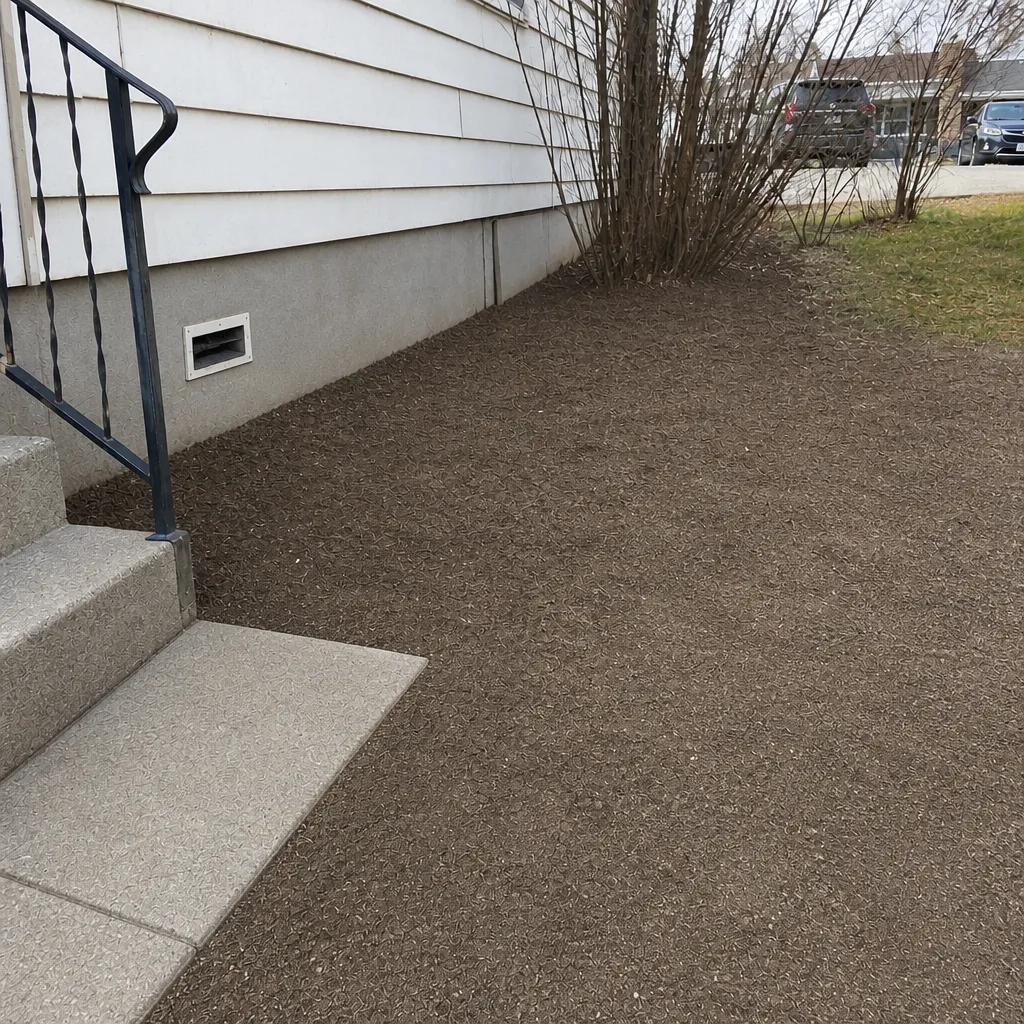
See the difference
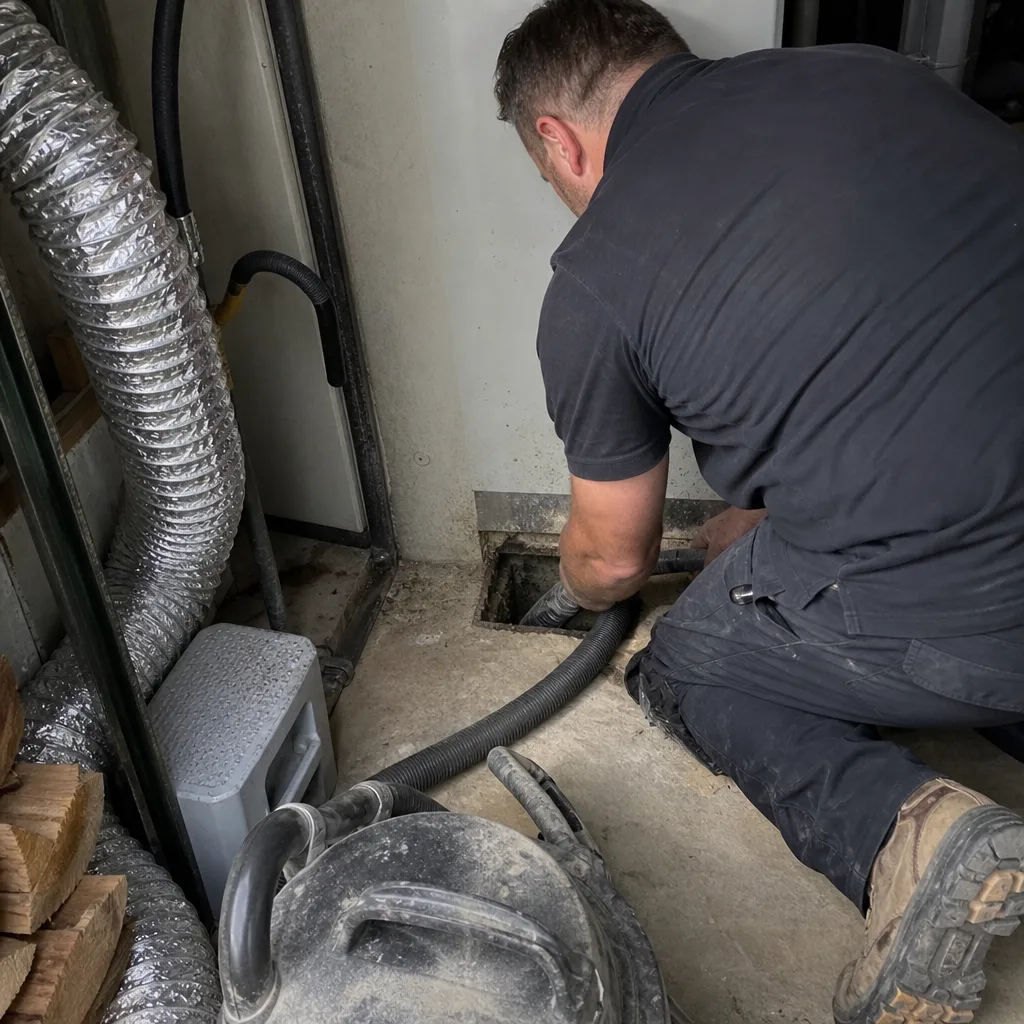 Before
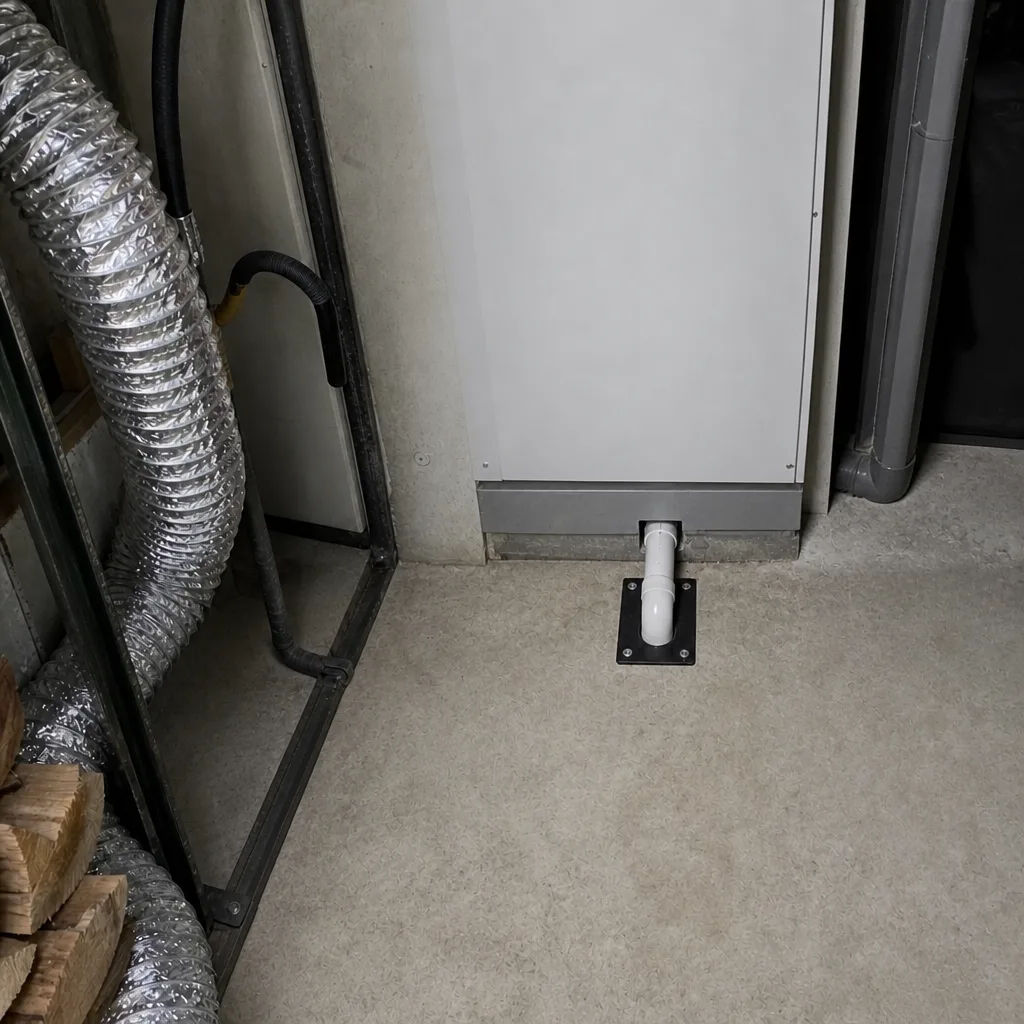 After
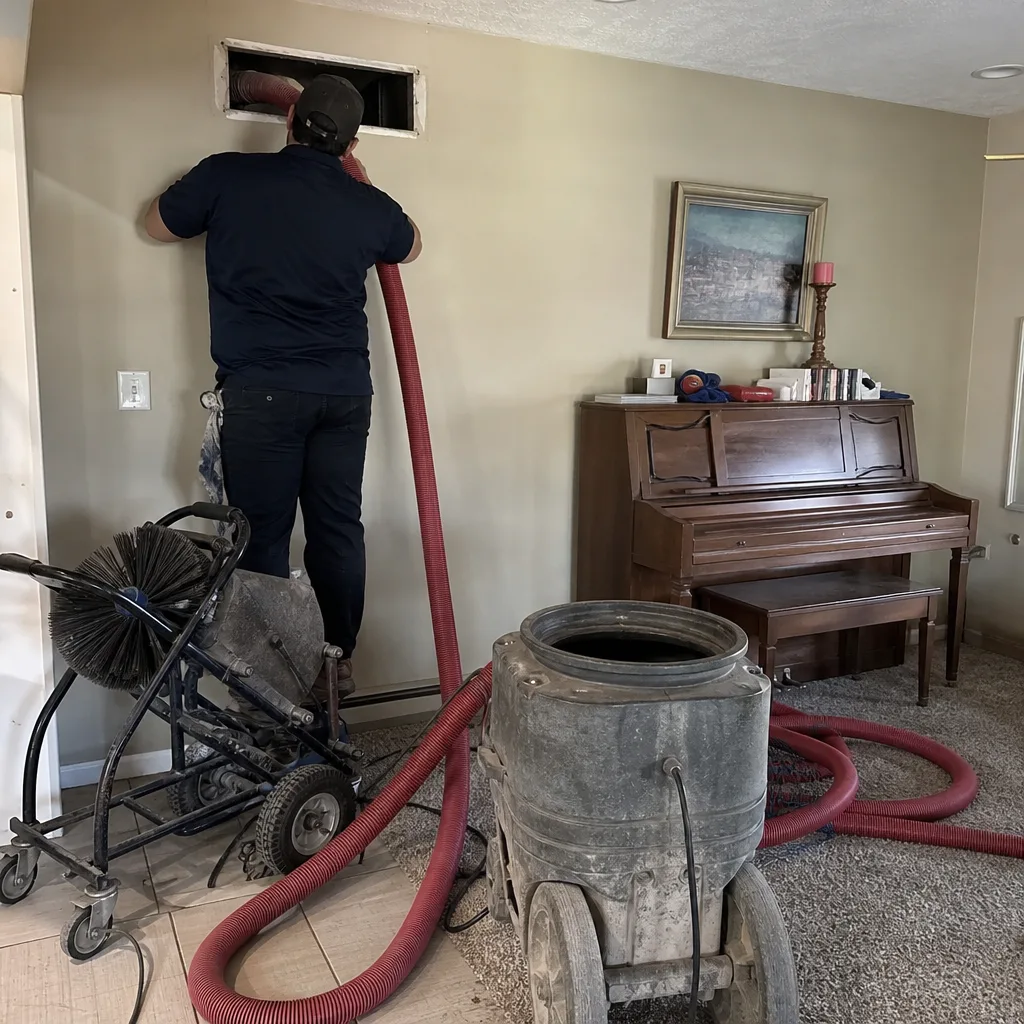 Before
 After
 Before
 After
When to Call a Professional
Call a professional when any of these are true: a musty or stale smell comes from the vents, a mat of dust or pet hair coats the return grilles, your home has had a renovation, pest remediation, or an HVAC replacement in the last two years, your ductwork runs through tight crawlspaces or long trunk lines, you see disconnected or crushed ducts, or you can’t reach meaningful debris past the register boot. Those conditions describe a loaded system, not a maintenance situation. Roy Air Duct Cleaning offers free estimates in Roy – call (877) 389-1745 to schedule one. A written estimate sets the final per-job price, so you know the cost before any work starts, and a state-licensed professional handles the extraction with professional-grade equipment.
Frequently Asked Questions
Yes, for the visible, reachable parts – register covers, return grilles, the first 18 inches or so of accessible branch duct, and the filter slot. You cannot clear trunk lines or establish system-wide negative pressure with a shop vac, so full-system cleaning isn’t a DIY job. For anything past the register boot, use a professional service with proper extraction equipment.
There’s no single answer – it depends on how the system loads, not the calendar. A home with pets, recent construction, or long closed-window furnace seasons typically needs it sooner than the common guideline of every three to five years. A home with a good filter routine and no recent renovation can go longer. Judge by the signs: dust film, odors, airflow, and recent events like renovations.
Usually because the equipment is cheaper – a portable wet/dry vac and a brush, rather than a professional machine that can hold the whole system under negative pressure. A low quote often means surface work without real extraction, which can push debris toward the air handler. Ask what machines will be used and whether the process includes containment filtration. Call (877) 389-1745 for a written estimate and a straight answer on the process.
Ask for before-and-after photos of your own ducts and an inspection summary of what was found, including any leaks or disconnected joints. A professional visit should leave you with documentation, not just a bill. A written estimate agreed before work starts also protects you from a surprise invoice at the end.
It can. The two common risks are tearing the inner liner of flex duct with a stiff brush and pushing loose debris toward the blower and evaporator coil. Both leave the system worse off than before, and the coil problem costs airflow and cooling performance. Keep DIY work to register covers, grilles, the filter, and the accessible dryer vent section.
Check the return grille dust film, smell the air when the system starts, trace whether your ductwork has long runs or flex duct, feel for return-side leaks, and look at your filter housing. If any of those point to a loaded or leaky system, that’s the signal to schedule an inspection rather than clean further yourself.
Yes, in most cases. Drywall dust, sawdust, and insulation fibers are among the most aggressive debris a duct system takes in, and they settle deep in the system. A post-renovation cleaning with real extraction is the right response – surface cleaning won’t reach what’s been tracked through the house.
At minimum: negative-pressure extraction of the whole system, mechanical agitation of duct interiors, containment filtration, and an inspection. A full-scope service also covers sealing leaks, cleaning the air handler and coil, and addressing the dryer vent and sanitizing. Our five services – air duct cleaning, dryer vent cleaning, HVAC cleaning, duct repair and sealing, and air quality and sanitizing – cover the whole set, so you’re not coordinating several companies.
The Bottom Line
DIY duct care isn’t dangerous – it’s just limited, and the limit is about 18 inches past each register. Use that space well: clean your grilles, maintain your filter, keep returns clear, and clear the accessible dryer vent. Those habits genuinely slow how fast a Roy home’s system loads up. Past that boundary, the physics changes. Trunk lines, long runs, flex duct, and bonded contamination require negative-pressure extraction that consumer tools can’t produce, and agitation without extraction can move debris toward the air handler instead of out. Match the method to the system: honest maintenance where it works, professional extraction where it’s needed, and a straightforward conversation about your own layout before you spend either way.
Call (877) 389-1745 for a free estimate and a clear assessment of your ducts. We answer 24/7. Fast dispatch from 7am to 7pm, Sunday through Friday.
Written by the team at Roy Air Duct Cleaning.