
Last updated November 23, 2026
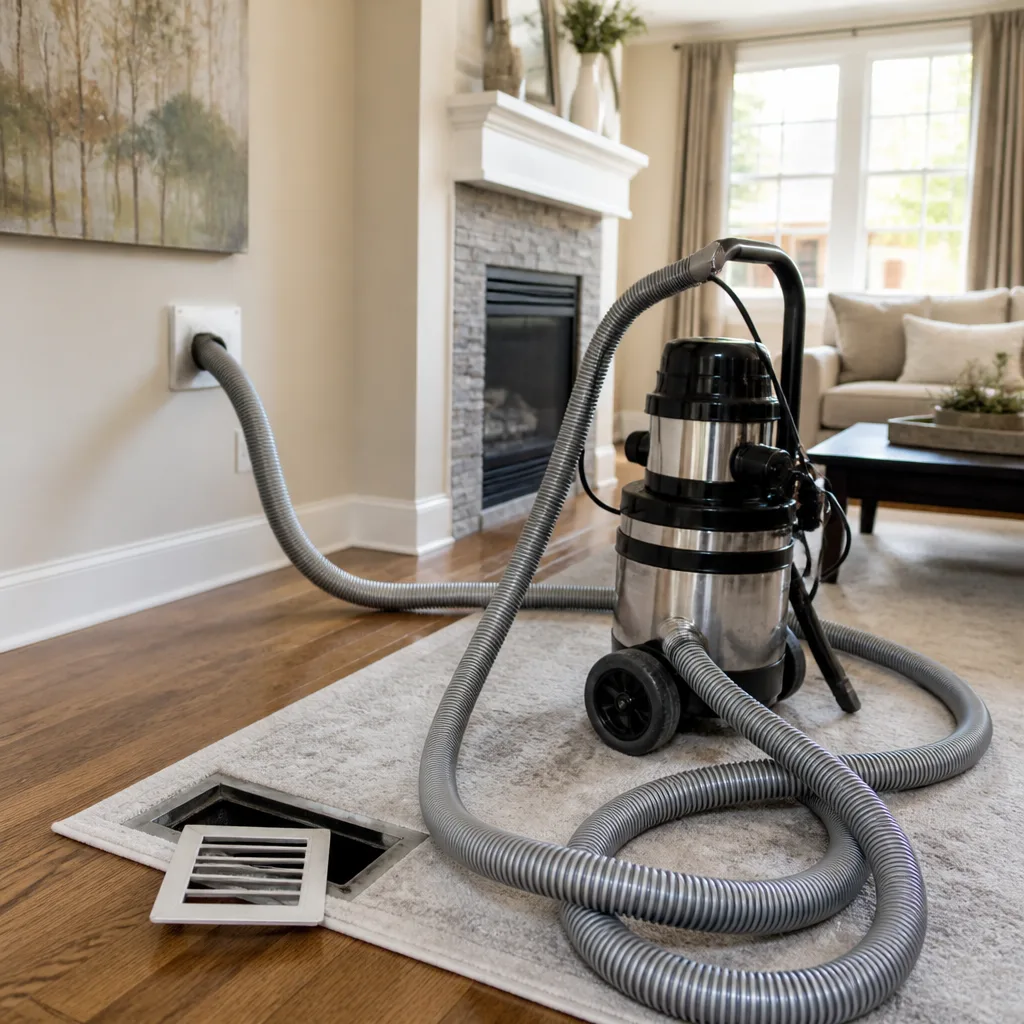 Whole-home duct cleaning
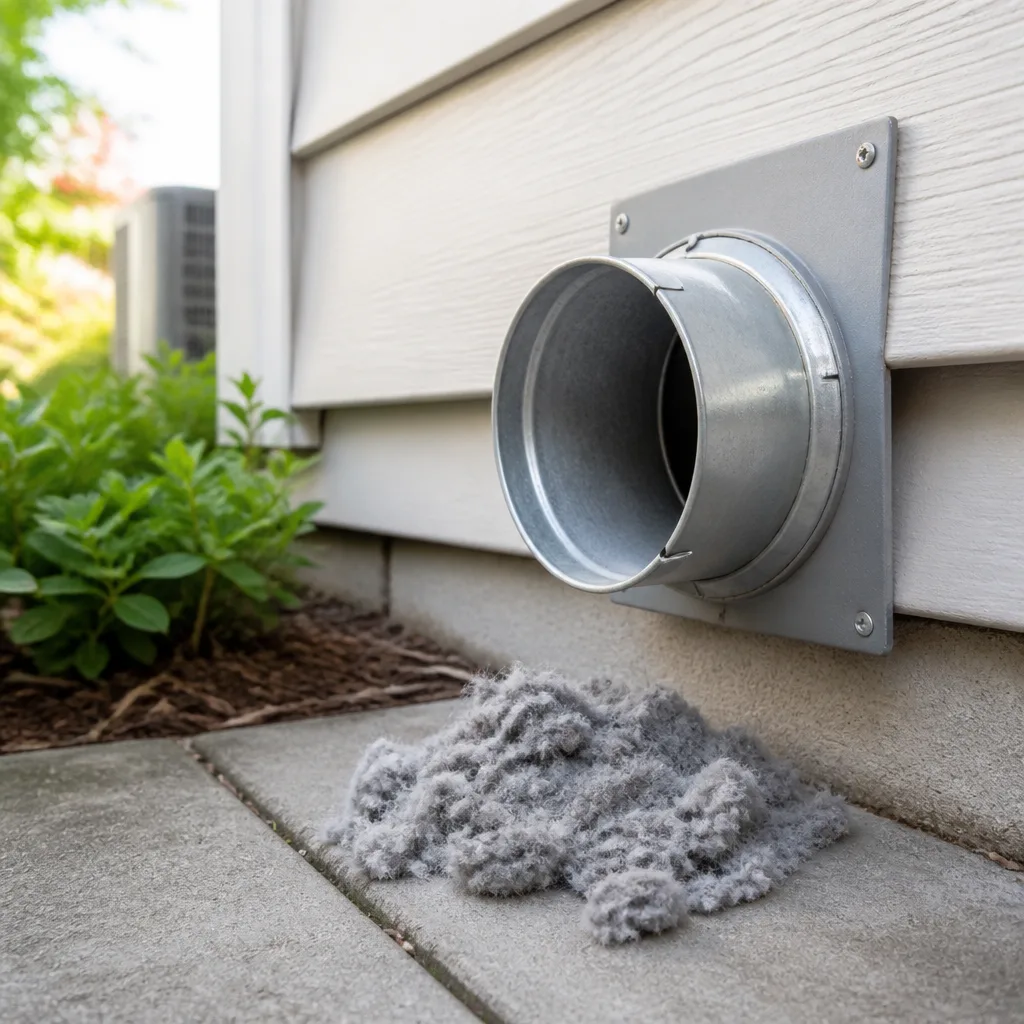 Dryer vent cleaning
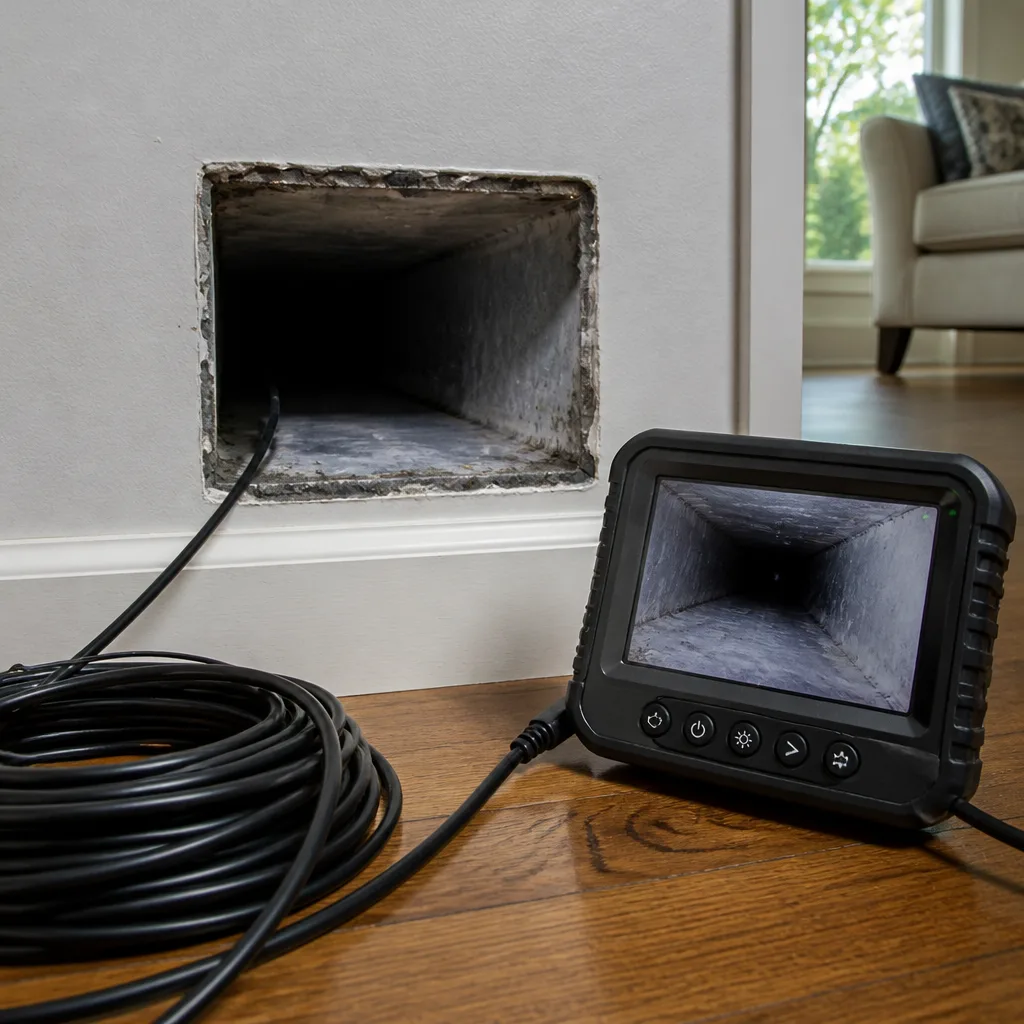 Camera inspection
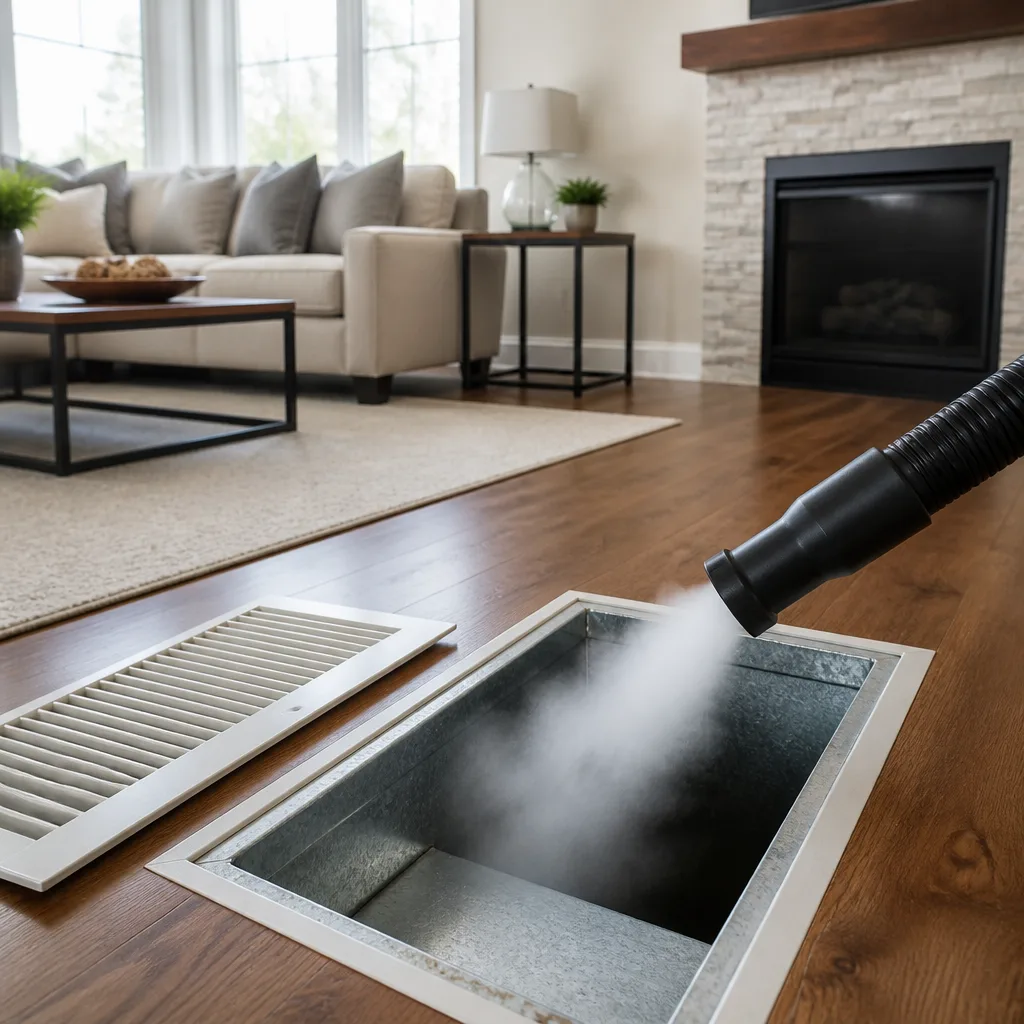 Sanitizing & deodorizing
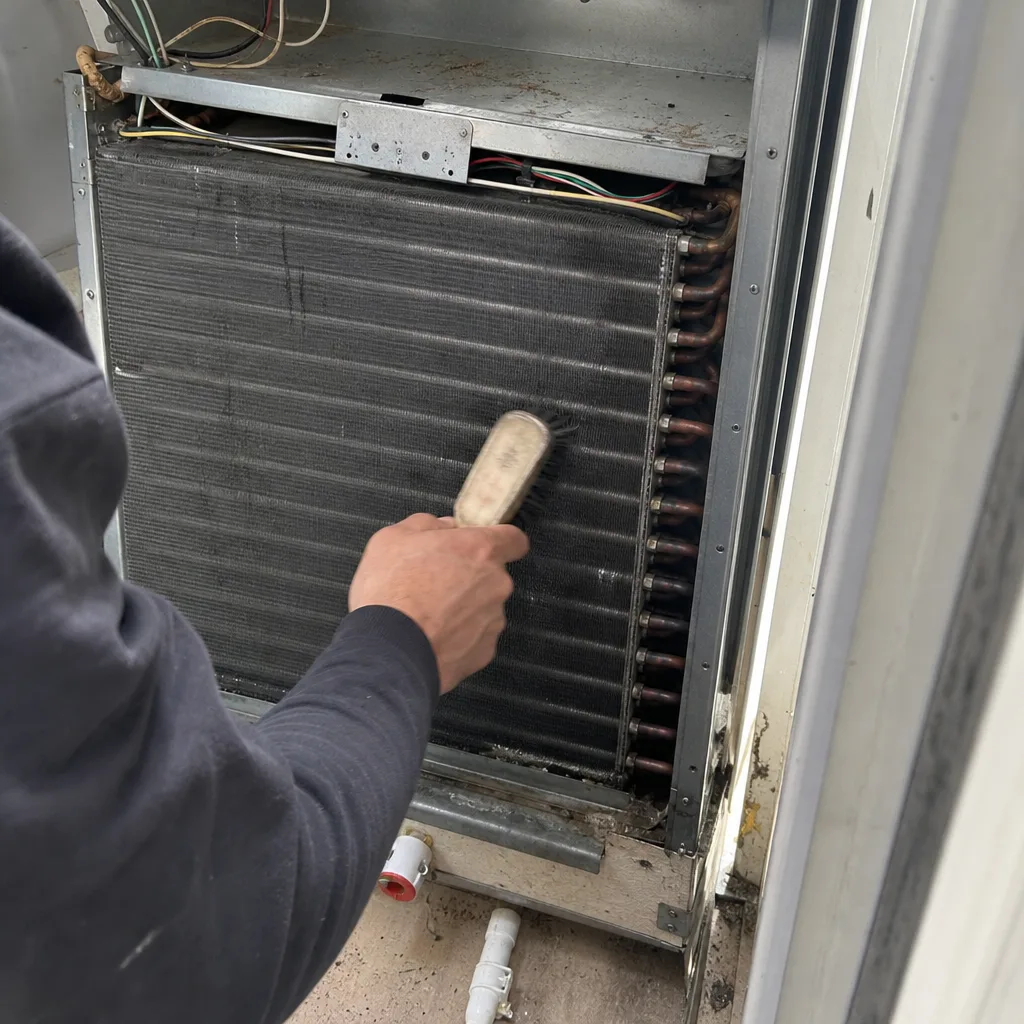
Whole-system duct and dryer vent check with before-and-after photos - you see exactly what came out of your vents
That "$99 whole-house special" is a bait ad - the real number appears once they are in your hallway, or the "clean" is a shop-vac at the register. We photograph the inside of your ducts before and after instead.
The Complete Guide to Air Duct Cleaning in Roy
A spinning brush and a shop vac can keep a technician busy for ninety minutes and still leave compacted debris sitting exactly where it started, just past your main trunk line. That’s the uncomfortable part most Roy homeowners never hear: a cleaning can look thorough and still redistribute dust through the system instead of removing it. What separates a real job from a convincing one isn’t effort or time on the clock. It’s the equipment and the process. In this guide we’ll walk through the tools that actually determine the outcome, the duct layout common to Roy homes, why the local inversion season changes the maintenance math, and how to read a technician’s equipment before you hire. It’s written for people who want proof, not a sales pitch.
Quick Answer
Air duct cleaning in Roy removes accumulated dust, debris, and contaminants from your ductwork using professional-grade equipment and negative-air pressure, not consumer vacuums. A proper job follows a fixed sequence: inspection, mechanical agitation, negative air extraction, sanitizing, and verification. Most Weber County homes benefit from cleaning roughly every one to three years because winter inversion seasons trap fine particulate against the interior of ductwork, but the honest answer is that the right interval depends on your home, its age, and what’s happening inside it.
Styles & brands we work with
- Whole-home duct cleaning
- Dryer vent cleaning
- Camera inspection
- Sanitizing & deodorizing
Table of Contents
- What air duct cleaning actually means
- The equipment that separates a real clean from a surface sweep
- Duct anatomy in Roy and Weber County homes
- Why Roy’s inversion season changes the maintenance math
- The five-step process we follow on every job
- How to evaluate a contractor before you hire
- When duct cleaning is worth it, and when it isn’t
- The dryer vent risk nobody talks about
What air duct cleaning actually means
Air duct cleaning is the mechanical removal of dust, debris, allergens, and biological growth from the interior surfaces of a home’s duct system, including the supply and return trunks, branch runs, registers, and the air handling unit itself. Done correctly, it physically extracts material and carries it out of the home through contained filtration. Done incorrectly, it loosens material, moves it a few feet, and leaves it to re-settle.
The distinction matters because “cleaning” gets applied to everything from a thirty-minute surface vacuum to a full-system extraction with HEPA containment. On an air duct cleaning job, the work involves every component that air passes through: the return grilles, the supply registers, the plenum above the furnace, the main trunk, the individual branch runs, and the interior of the air handler cabinet and blower. If a technician skips any of those, air continues to pull dust through the uncleaned section into the ones that were cleaned.
Why bother at all? Because the typical duct system in a home that’s been lived in for a decade or more holds a thin coating of fine dust that never fully clears on its own. Add pet hair, seasonal pollen, cooking oils, and drywall dust from any renovation, and the accumulation becomes a reservoir. Every time the HVAC system runs, air moves across that reservoir. You don’t see the dust plume because the air is recirculated, not pumped fresh from outside.
The three things duct cleaning actually delivers
- Removed debris – the physical mass of accumulated dust, hair, and construction material leaving your home in a contained container, not a bag in your hallway.
- Reduced particulate load – less material available to become airborne each time the blower runs, which is what your filter and lungs actually care about.
- Diagnostic information – a proper inspection reveals disconnected joints, crushed flex runs, mold growth, or pest intrusion you can’t see from a register, all of which affect air quality and HVAC efficiency.
The equipment that separates a real clean from a surface sweep
The single most reliable indicator of job quality is the equipment truck that shows up. Portable vacuums and consumer blowers cannot physically generate the airflow and pressure differential required to pull packed debris from a long branch run. A technician with a shop vac can make visible registers look clean. What’s happening twenty feet back inside the trunk line is a different story.
Professional duct cleaning systems like Rotobrush and Nikro are engineered for this specific job. Rotobrush systems pair a rotating brush or whip head with high-volume extraction, so mechanical agitation happens at the same moment as air extraction – debris doesn’t just loosen, it leaves. Nikro negative-air machines create a pressure differential across the duct system that pulls material toward the collection point instead of letting it drift into the room. The two work together: one loosens, the other extracts.
The third piece most homeowners never see on a residential bid is air filtration and containment. Real remediation work uses HEPA-filtered negative-air units to keep the work zone under a slight vacuum so nothing escapes into the living space. We run Abatement Technologies filtration as part of the process; it’s a standard borrowed from mold and asbestos remediation, and it’s the reason a professional job doesn’t leave a film of dust on every horizontal surface when the crew walks out.
Reading an equipment list before you hire
You don’t need to memorize model numbers. You need to hear the right words in the right combination. Here’s what a legitimate quote should include:
- A mechanical agitation tool named – rotary brush, whip, or air-sweep head. Without agitation, dust that’s bonded to the duct wall never releases.
- A negative-air or HEPA vacuum source with enough CFM to maintain suction against the whole system – not a shop vac with a hose attachment.
- Containment or filtration at the work zone to prevent cross-contamination of your home.
- Access cutting or existing access panels – real cleaning requires reaching the trunk and branches, not just the registers.
- Verification – before-and-after photos of the interior ducts, or a camera inspection at the end of the job.
If any of the five is missing from the quote, ask why. A contractor who can’t answer clearly is a contractor who doesn’t have the equipment.
Duct anatomy in Roy and Weber County homes
Most of Roy’s housing stock was built during the post-war and mid-century decades of Weber County growth, with a large wave of homes from the 1970s through the 1990s. That era of construction produced two dominant duct layouts: rigid galvanized sheet metal trunk-and-branch systems, and flexible insulated duct runs branching off the trunk. Both are worth understanding before a technician shows up at your door.
Sheet metal trunks are durable but have long interior runs with minimal access points. Cleaning them correctly requires cutting access panels at the trunk, not just working through the registers. Flex duct branches are common in the additions and retrofits of the 1980s and 1990s – they’re easy to install but notorious for collecting dust in the corrugations, and they can collapse or tear if a technician uses the wrong brush head. A professional knows which tool to use on which duct type, and where to cut access.
The other factor is the air handler placement. Most Roy homes have a basement or garage-adjacent furnace with a plenum and return drop that hide a surprising amount of dust right at the transition point where the air changes direction. That transition is where the biggest debris piles accumulate, and it’s also the section most surface cleanings skip.
Why trunk-line access points matter
The trunk line is the main artery of your duct system – the long rectangular or round run that feeds all the branch ducts. Everything enters through the main trunk first. If a technician can’t reach the interior of the trunk, most of the debris stays put, and the branches downstream of it stay contaminated. On a proper Roy job, expect to see access cut or re-used at the trunk, the plenum, and every branch junction that needs it. Access panels get sealed after cleaning; they’re not left open.
Why Roy’s inversion season changes the maintenance math
The national guidance that duct cleaning is needed every three to five years assumes a baseline of clean outdoor air entering a home on a regular basis. Roy doesn’t have that baseline. The Wasatch Front – which includes Roy and the broader Weber County valley – experiences winter inversions where cold air gets trapped beneath a warmer layer, holding particulate, wood smoke, and vehicle exhaust near the ground for days or weeks at a time. During an inversion, opening a window brings more fine particulate in, not less.
What that means in practice: your HVAC system is running more, cycling more air through the same ductwork, and pulling in outdoor air that carries a higher particulate load. The dust that makes it past your filter settles in the ducts faster during inversion season because the total volume of particulate entering the system is higher. We’ve seen this shift the recommended interval – many Roy homeowners who follow the national guideline find they’re already past due, and an annual inspection-to-clean cycle is more defensible than the three-to-five year rule of thumb.
The defensible annual practice isn’t “clean everything every year.” It’s this: inspect every year, clean when the inspection says the system needs it. On an efficient, well-filtered home with few pets and no recent renovation, that might still mean two or three years between cleanings. On a home near a busy Weber County arterial with wood-burning neighbors and a pet, annual cleaning earns its cost.
The five-step process we follow on every job
Every professional job follows the same sequence. Skip a step and the next one becomes less effective. Here’s the process as we run it, because it’s the easiest way for a homeowner to know what to expect.
- Inspection. We start with a camera inspection of the trunk, primary branches, and the air handler. This identifies contamination types (dust, mold, pest debris, construction dust), disconnected joints, damaged flex runs, and any section that needs repair before cleaning. Skipping inspection means cleaning the wrong things.
- Mechanical agitation. Rotary brushes, whips, and air-sweep tools run through every branch and the trunk to break loose the accumulation that’s bonded to the duct wall. This is the step that a vacuum alone cannot perform.
- Negative air extraction. The Nikro system runs throughout agitation, maintaining a pressure differential that pulls the loosened material toward the collection unit instead of into your home’s air. Containment filtration runs at the same time.
- Sanitizing. After cleaning, an EPA-registered sanitizer is applied to the duct interior to address any residual microbial growth, especially in systems that had moisture intrusion or pest activity. This step gets skipped by a lot of competitors and shouldn’t be.
- Verification. Before-and-after photos of the duct interior, a re-inspection of seals and joints, and confirmation that all access panels are re-sealed. If the technician can’t show you the difference, the job isn’t done.
That same sequence applies to HVAC cleaning, which cleans the blower, coil, and air handler cabinet in addition to the ductwork – not a separate, optional add-on if you’re already paying for duct cleaning.
How to evaluate a contractor before you hire
The market for air duct cleaning has a well-earned reputation problem, and it’s not because every company is shady. It’s because “duct cleaning” isn’t a fixed-scope service, so it can mean very different things depending on who shows up. A few minutes on the phone before you book separates companies that will do the work from companies that will perform the appearance of it.
Ask these questions directly. The answers tell you everything.
- What equipment will you bring? Listen for a named mechanical agitation tool and a named negative-air or HEPA system. If the answer is “our truck has a big vacuum,” press for details.
- Will you cut access panels to the trunk? A yes here is important. Cleaning only through registers leaves the trunk contaminated.
- Will I see before-and-after photos of my ducts? Any technician with a camera can produce these. Any technician who can’t, didn’t clean what they can’t see.
- Is sanitizing included or extra? Ask what product is used and how.
- What does verification look like? A professional closes the job with a walkthrough and a camera inspection, not a van pulling out of the driveway.
The low-price question deserves direct attention. Very cheap quotes usually reflect one of three things: no access cutting, no mechanical agitation, or no containment filtration. Any one of those cuts hours from a job, and all three together remove the parts that determine whether the job actually worked. A fair quote reflects the equipment and time required for real extraction.
When duct cleaning is worth it, and when it isn’t
Duct cleaning isn’t a service every home needs on a fixed schedule. It’s worth doing when there’s a specific reason it will make a difference, and not worth doing as routine “maintenance” without any justification. Here’s the honest breakdown.
Reasons that justify cleaning
- Visible dust streaks around registers or debris found at the supply grilles
- Recent renovation, construction, or drywall work in the home
- A pest or rodent problem that’s been remediated – droppings and nesting material get into ducts
- An HVAC system replacement where old ductwork stays in place
- Persistent musty odor when the system kicks on
- Diagnosed mold growth on duct interior surfaces
- Persistent dust accumulation in a home where filters are changed on schedule
- The house has been lived in more than 10 years and the ducts have never been cleaned
Reasons that don’t, on their own
A new home with clean ducts, a home with an efficient system and no visible contamination, and a home where the only complaint is that the furnace is noisy. Cleaning doesn’t fix duct design problems, an undersized system, or a dirty filter you haven’t replaced. If a contractor walks in and immediately pronounces your ducts dirty without inspecting them, you have your first sign.
Roy homeowners dealing with ongoing indoor air quality issues often need to pair duct cleaning with sealing – cracks and disconnected joints let dust back in as fast as the system pushes it out. Duct repair and sealing is part of the same scope of work, and it’s the piece that makes cleaning last.
The dryer vent risk nobody talks about
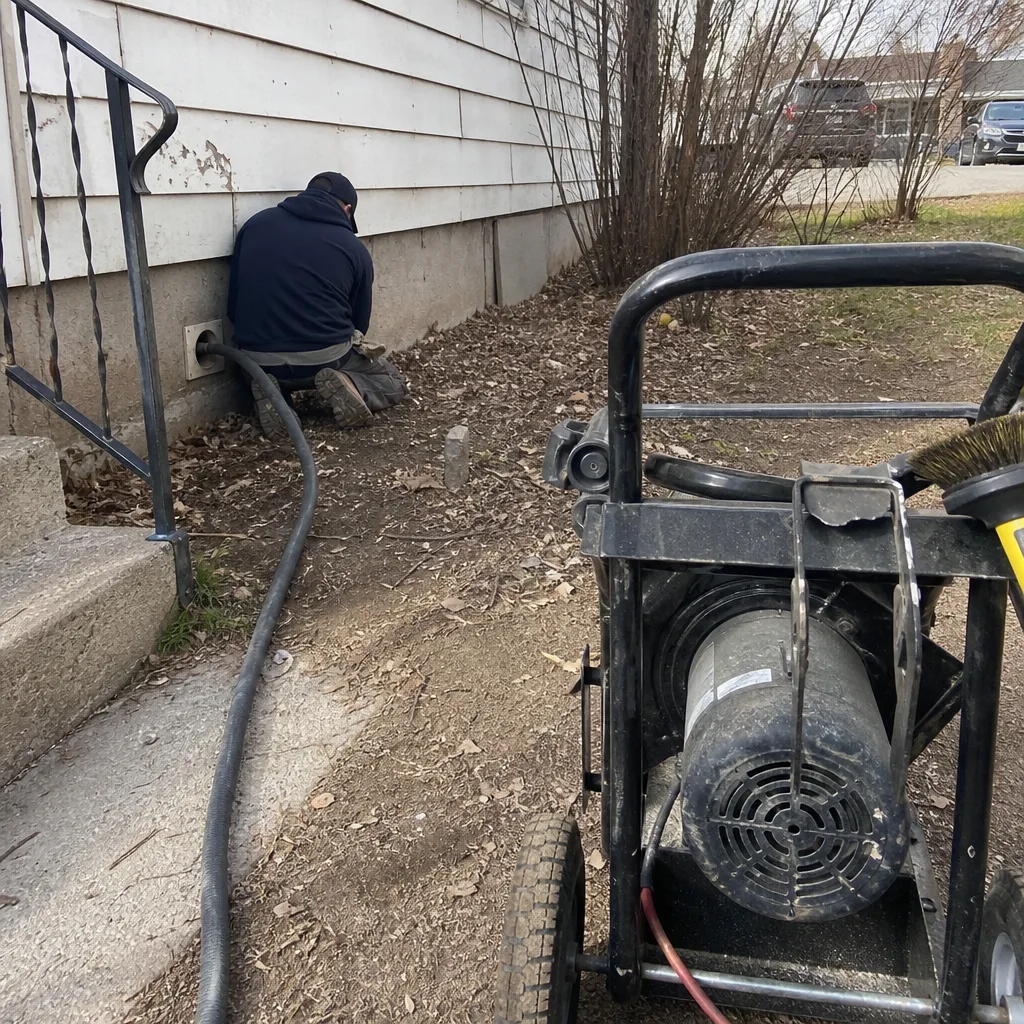
Lint is a fuel, and the dryer vent is the one duct in your home where poor airflow is a fire risk, not just a comfort issue. Lint accumulates in the flexible vent run behind the dryer and in the rigid vent run through the wall, and a clogged vent traps heat inside the dryer cabinet. The U.S. Fire Administration attributes thousands of home fires per year to dryers, and the primary cause is lint buildup in the vent system. dryer vent cleaning removes that accumulation with the same professional equipment used on HVAC ductwork, and it’s a service most pure-air-quality cleaners skip entirely.
Signs your dryer vent needs cleaning: clothes take longer than they used to dry, the dryer feels hot to the touch, there’s a burning smell, or the exterior vent flap doesn’t open fully when the dryer runs. If you’ve never had the vent cleaned and the dryer has been in use more than three years, it’s worth scheduling.
Common Mistakes to Avoid
- Hiring on price alone. Two quotes that are hundreds of dollars apart aren’t pricing the same scope. Ask what’s included in the low one, and you’ll usually find the answer.
- Assuming register cleaning equals duct cleaning. Reaching a hose through the registers makes the visible surface look cleaner and leaves the trunk and branches untouched.
- Skipping inspection before the job starts. Cleaning a duct system with disconnected joints or pest intrusion spreads the problem, doesn’t solve it. Inspection comes first, every time.
- Declining verification photos. Ask to see the inside of your ducts before and after. A technician with a camera should be happy to share them.
- Expecting cleaning to fix airflow problems caused by design. Duct cleaning removes debris; it does not correct an undersized system, crushed flex runs, or disconnected branches. That’s duct repair, and it’s a separate, necessary scope.
- Ignoring the dryer vent because it’s “not a duct.” It is a duct, and it’s the one with the highest fire risk. Roy homes with a long vent run to the exterior wall need it cleaned on a regular interval.
- Waiting for a visible problem before calling. By the time you see dust streaking, or your filter is loading faster than usual, the system has been circulating contaminated air for a while. An inspection costs nothing and tells you definitively.
When to Call a Professional
Call for an inspection if you’re seeing dust streaks around the registers, if the system pushes musty or stale air, if a renovation recently finished in the home, if pests have been a problem, or if the HVAC has been replaced and the old ducts are still in service. Call if the dryer has been taking longer to dry loads than it used to. Call if the ducts have never been cleaned and the home is more than a decade old. And call if you’re simply not sure and want someone to inspect and tell you honestly – an inspection that ends with “your ducts are fine” is a valid outcome, and we’ll say it. Roy Air Duct Cleaning offers free estimates in Roy – call (877) 389-1745. We answer 24/7. Fast dispatch from 7am to 7pm, Sunday through Friday.
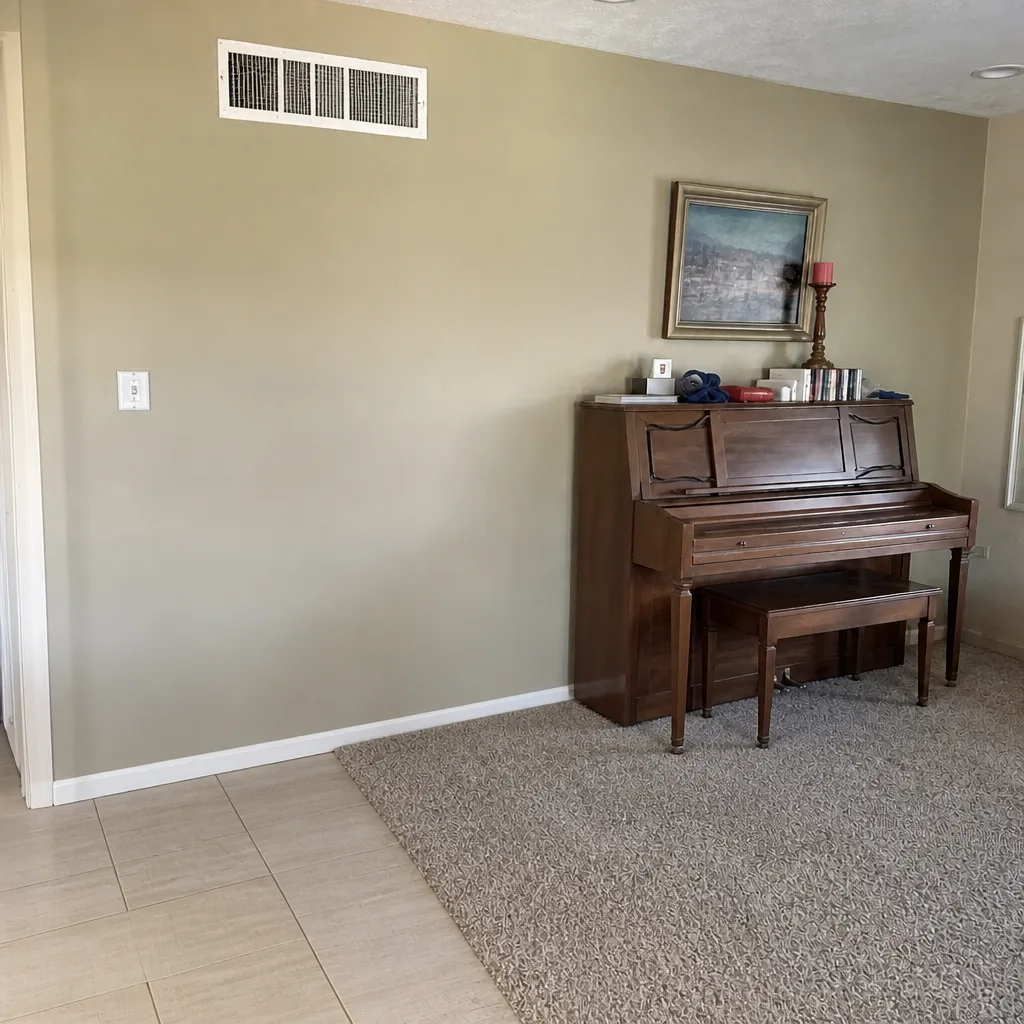
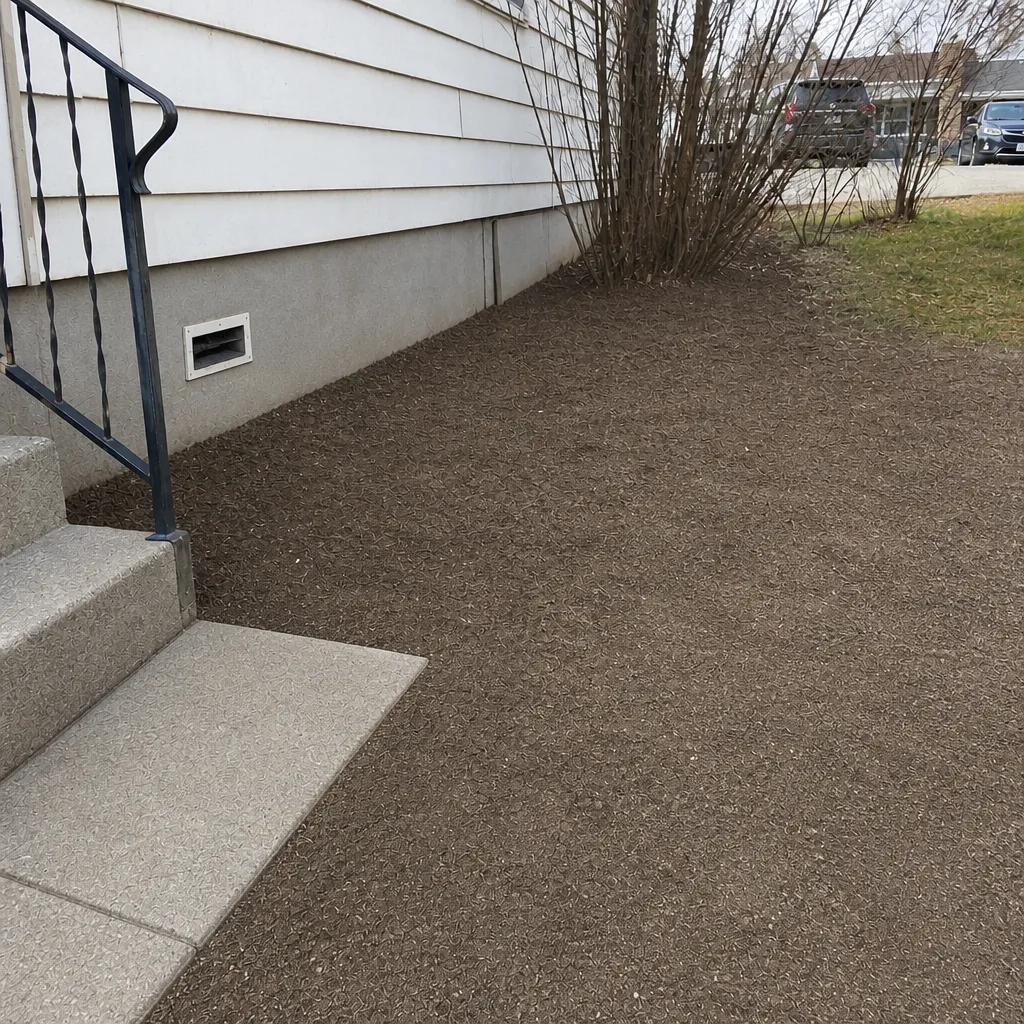
See the difference
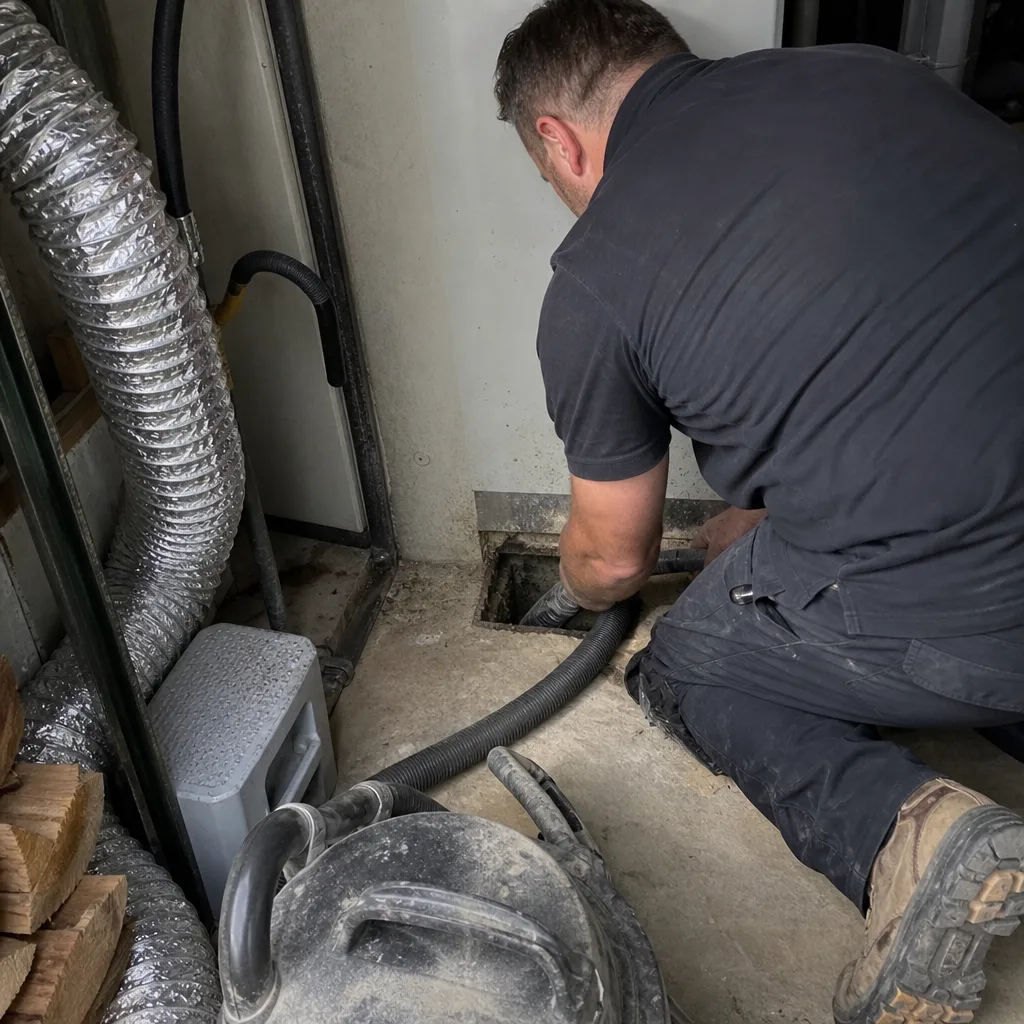 Before
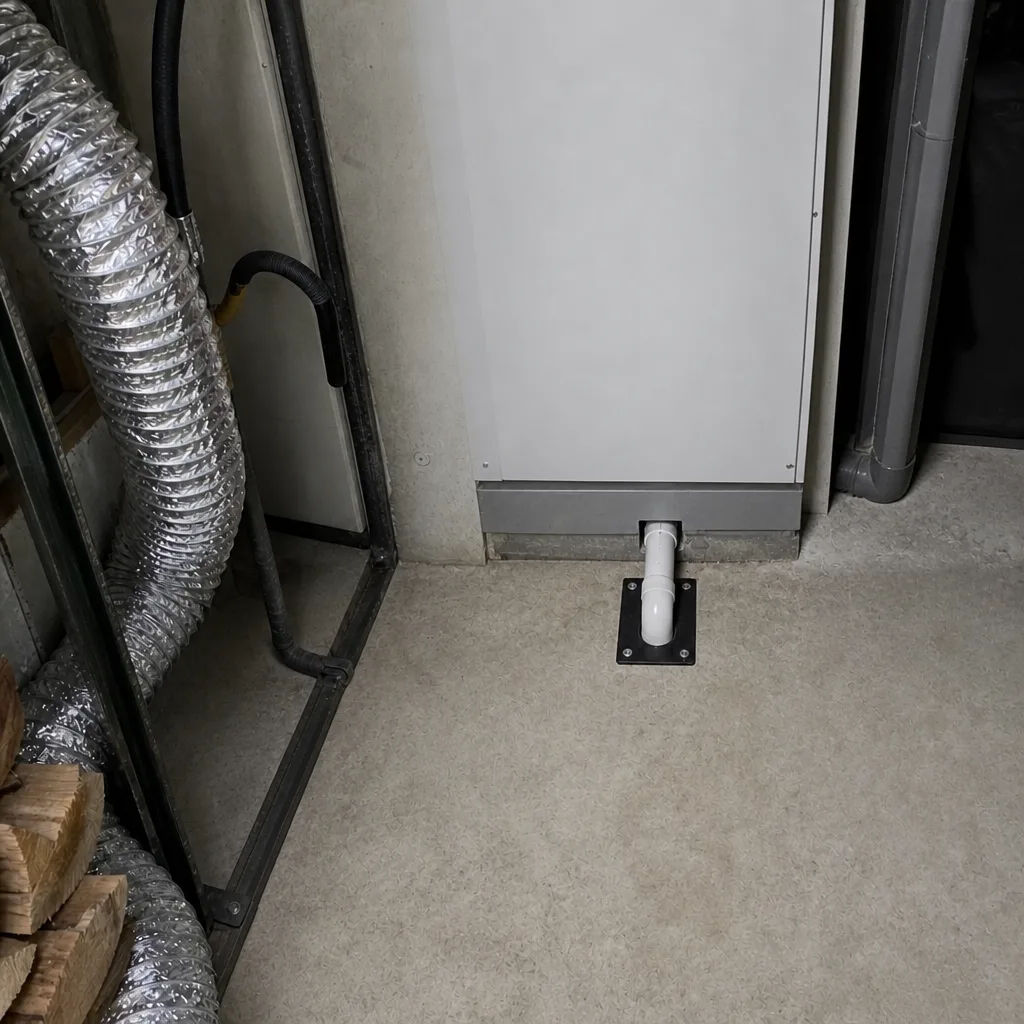 After
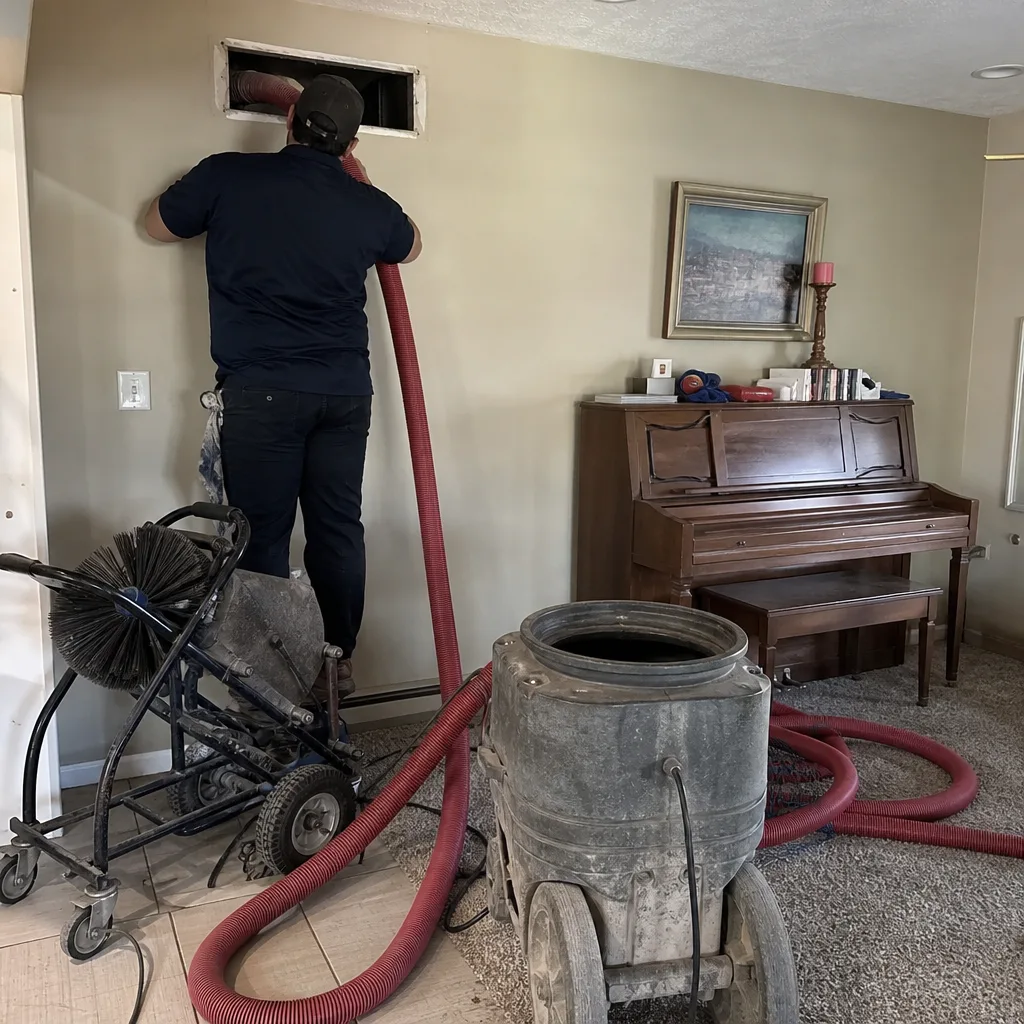 Before
 After
 Before
 After
Frequently Asked Questions
It depends on the size of the system, the number of branch runs, the duct material, and whether you want HVAC cleaning and sanitizing bundled in. Whole-home estimates in the Roy market typically fall in a broad range that reflects system size and access, and the written estimate sets the final price before any work starts. We don’t quote per-vent pricing or teaser coupons, because the job isn’t done per register. Call (877) 389-1745 for an exact quote – estimates are free.
Cheap quotes usually skip one of three things: access cutting to reach the trunk line, mechanical agitation with a rotary brush, or containment filtration to keep dust out of your home. All three are expensive hours of labor and equipment; if a quote doesn’t include them, it’s not the same job. Ask exactly what a low quote includes before you compare it to a professional estimate.
Ask for before-and-after photos of your duct interiors, and ask to see the camera inspection at the end of the job. Any professional who has the right equipment can produce both. If a technician can’t show you the inside of your ducts before and after, they can’t prove the work was done, and you should hold off on the next job until you find someone who can.
Most Weber County homes benefit from inspection every year and cleaning every one to three years, tighter than the national three-to-five guideline because winter inversions keep fine particulate trapped against the Wasatch Front for extended periods. Homes with pets, recent renovation, or wood-burning neighbors trend toward annual cleaning. Homes with clean inspection results can stretch the interval. Call (877) 389-1745 to schedule an inspection and we’ll give you a straight answer on your specific system.
Yes. HVAC cleaning covers the blower, coil, and air handler cabinet in the same job as duct cleaning, and pairing the two is more efficient than scheduling them separately. A home with ducts cleaned but a blower still caked in dust gets limited air quality benefit. Call (877) 389-1745 to discuss the full scope for your home.
It can help meaningfully when the duct system is a source of the dust, and less so when the dust is coming from outside or from carpet and furnishings. The right first step is inspection and a conversation about what’s actually happening. In experience, homes with visible dust accumulation at the registers and no recent cleaning see the biggest improvement. Call (877) 389-1745 and we’ll talk through your situation before quoting anything.
The Bottom Line
Air duct cleaning in Roy is a job that either removes accumulated debris entirely or doesn’t. The difference comes down to equipment and process: mechanical agitation to break debris loose, negative-air extraction to pull it out with containment filtration, sanitizing to address what’s left, and verification to prove the job happened. Roy’s winter inversion season makes annual inspection smarter than the national three-to-five year guideline, and the dryer vent deserves the same attention because it’s the one duct with a fire risk attached. If you take one thing from this guide, take this: ask for the equipment list before you hire, and ask to see the before-and-after. The Roy Air Duct Cleaning team runs the full scope – from cleaning to sealing to sanitizing – and our technicians have up to 9 years of experience with the equipment that actually does the work.
Call (877) 389-1745 for a free estimate. We answer 24/7. Fast dispatch from 7am to 7pm, Sunday through Friday.
Written by the team at Roy Air Duct Cleaning.