
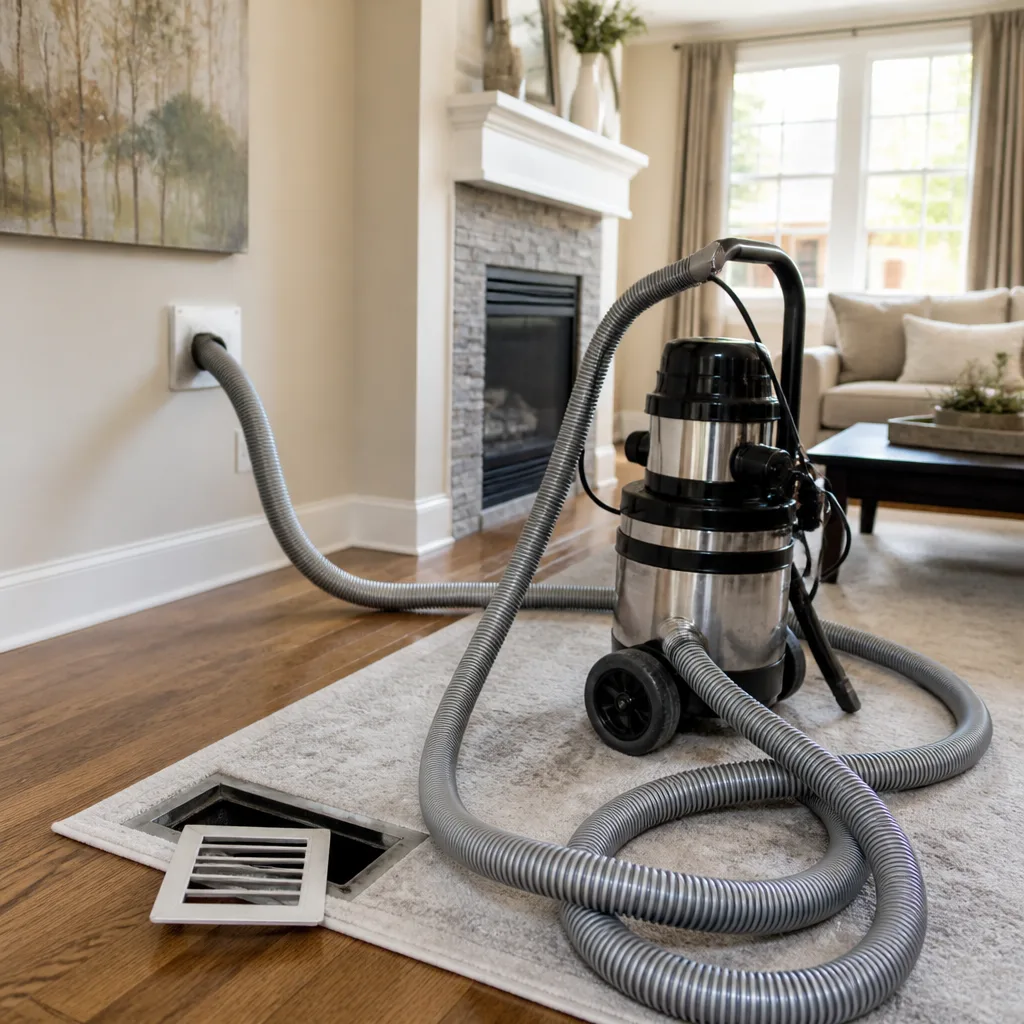
Last updated November 23, 2026
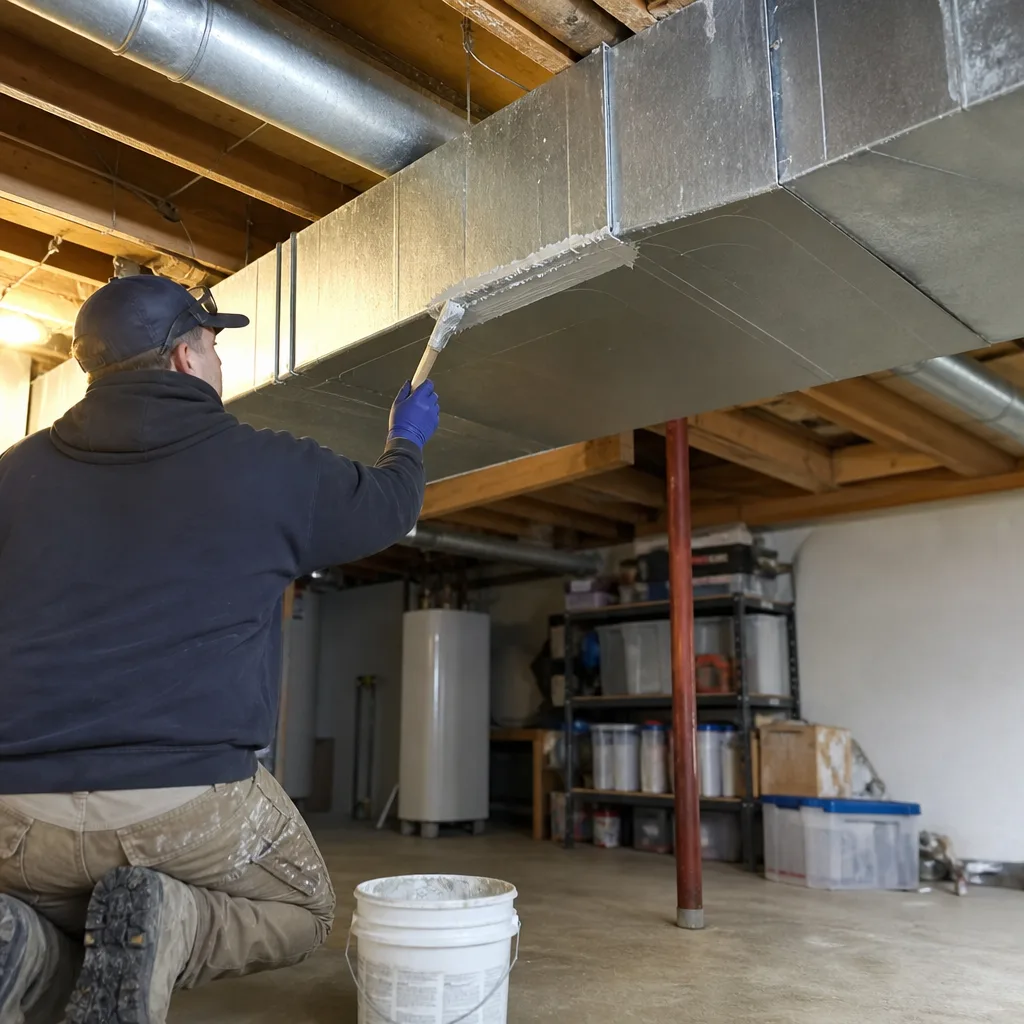
 Whole-home duct cleaning
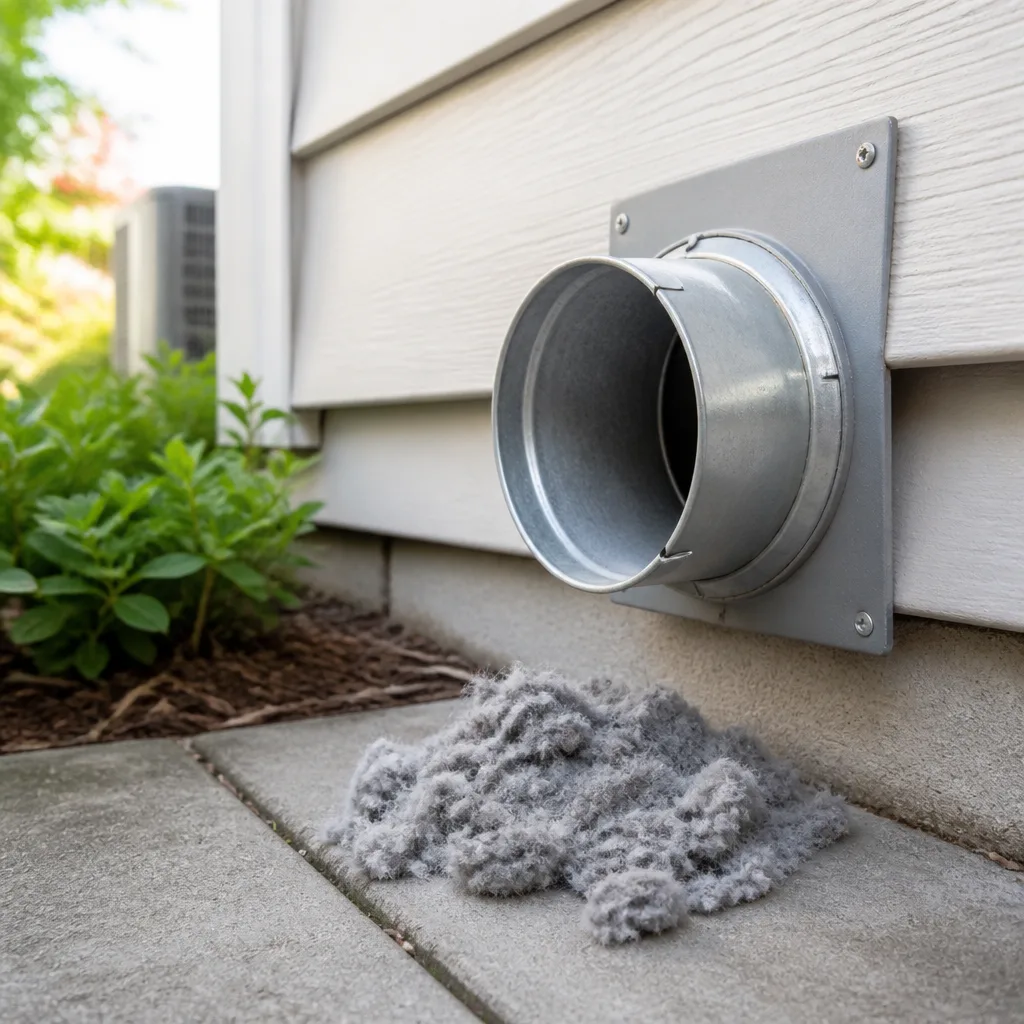 Dryer vent cleaning
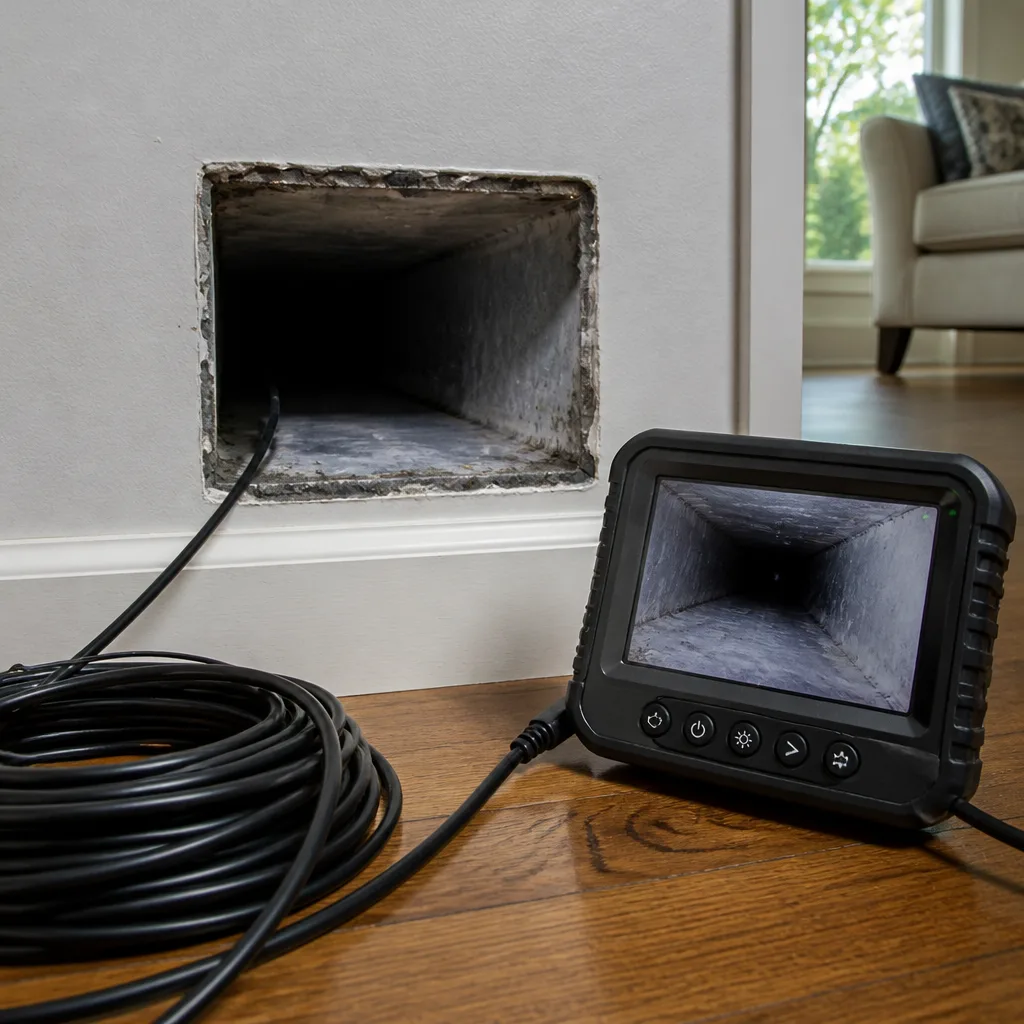 Camera inspection
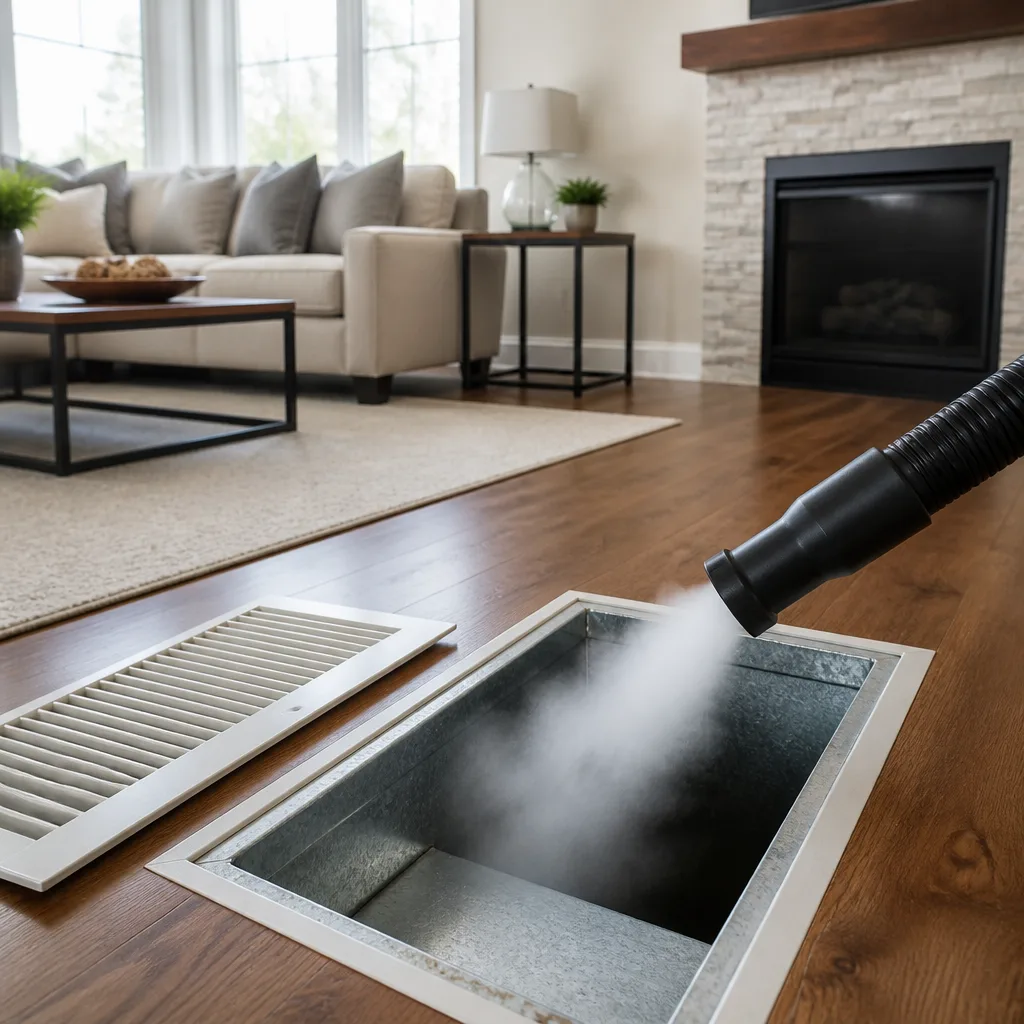 Sanitizing & deodorizing
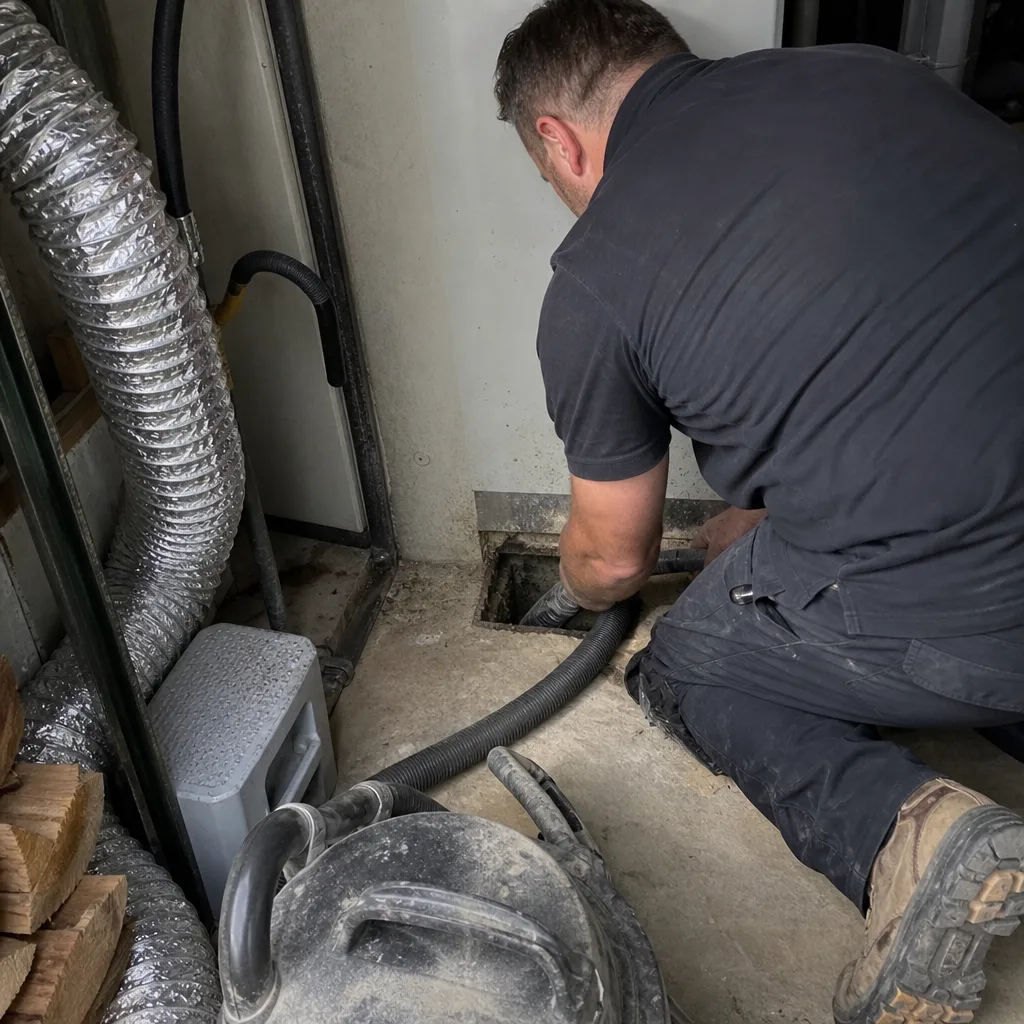
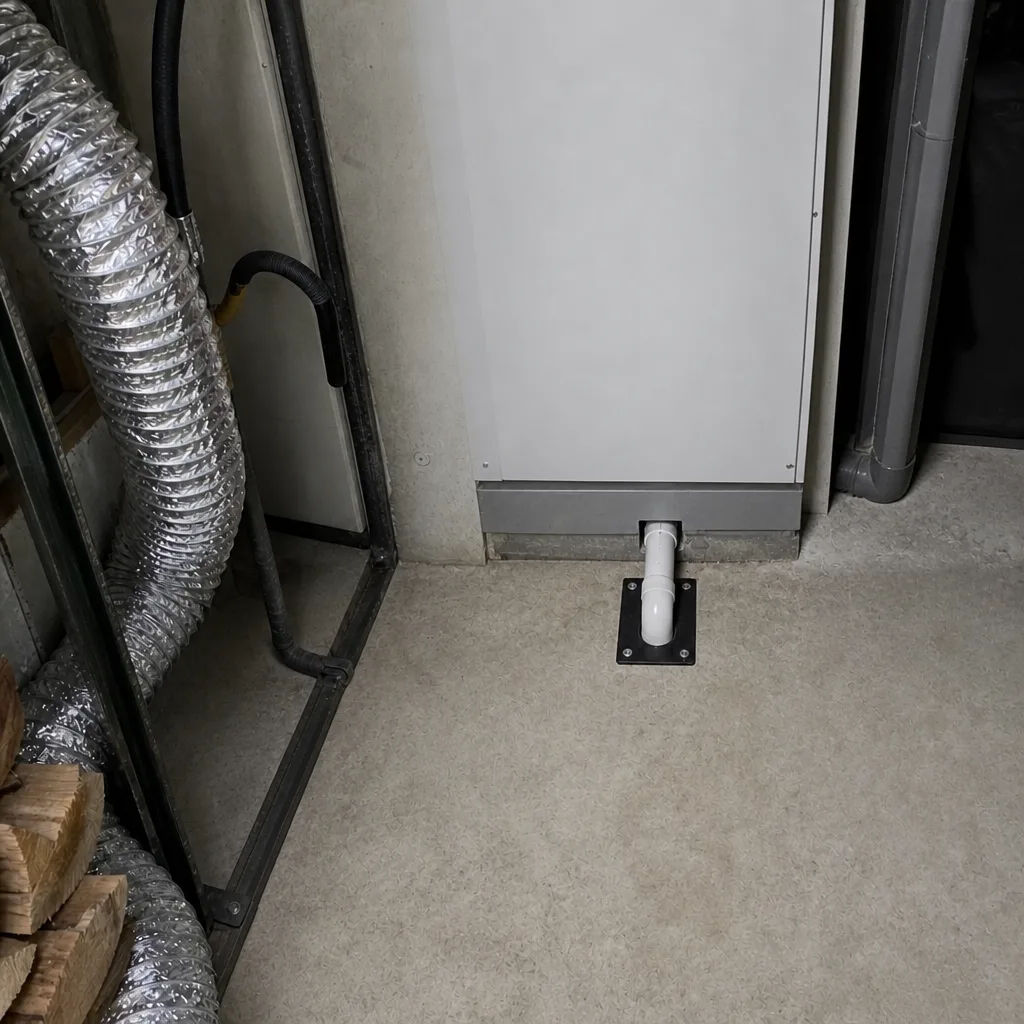
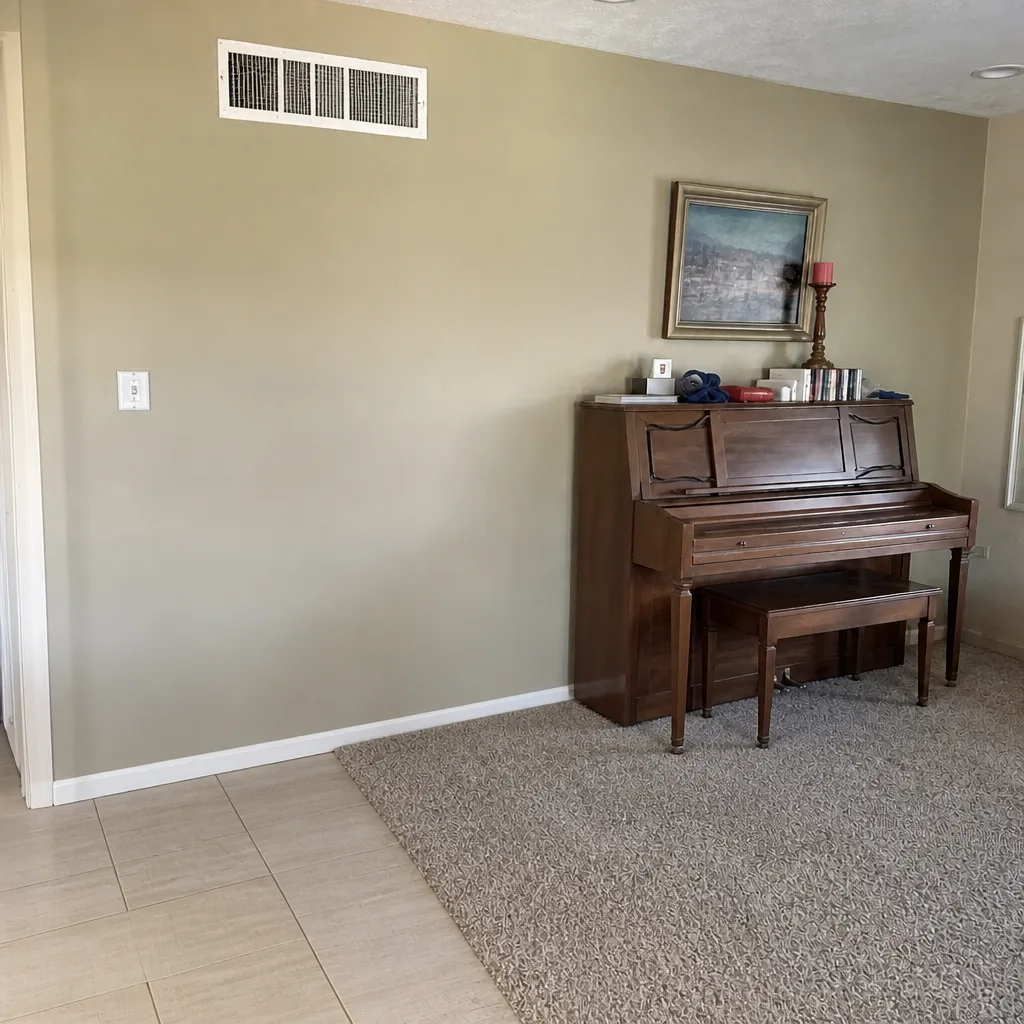
Whole-system duct and dryer vent check with before-and-after photos - you see exactly what came out of your vents
That "$99 whole-house special" is a bait ad - the real number appears once they are in your hallway, or the "clean" is a shop-vac at the register. We photograph the inside of your ducts before and after instead.
Seasonal Air Duct Cleaning Care for Roy: Year-Round Homeowner’s Guide
Most duct cleaning advice you’ll find online treats every home the same way: clean your ducts once a year, change the filter, done. That advice was written for a generic climate. Roy isn’t generic. The city sits in the Weber County valley where cold air and pollution get trapped against the Wasatch Front for weeks at a time in winter, where spring wind drags soil and pollen in from nearby farm corridors, where summer wildfire smoke drifts through the valley, and where the pre-winter window is the single best time to get duct work done. This guide breaks the year into four distinct seasons and explains what your ducts actually need in each. You’ll learn when to schedule cleaning, which maintenance tasks earn their keep, and how to spot the signs that a seasonal check has turned into a real repair.
Styles & brands we work with
- Whole-home duct cleaning
- Dryer vent cleaning
- Camera inspection
- Sanitizing & deodorizing
Quick Answer
A year-round duct care plan in Roy follows four seasons: a fall deep clean and inspection before the heating season starts, a mid-winter filter check to handle inversion-season loading, a spring cleaning to clear pollen and agricultural dust, and a summer review to prep for wildfire smoke with better filtration. The highest-value single booking is the fall visit, because it sets up the whole winter. Skipping the seasonal cadence is why many Roy homes end up with dust coming out of the registers even after a cleaning.
Table of Contents
- Why Roy’s Air Ducts Face a Different Schedule Than Most Cities
- Fall: The Pre-Heating Window That Pays Off All Winter
- Winter: Inversion Season and Filter Degradation
- Spring: Pollen, Soil, and Agricultural Particulate
- Summer: Wildfire Smoke and Filtration Upgrades
- Matching Sanitizing to the Season
- Dryer Vent Cleaning: The Seasonal Hazard Most Guides Skip
- Common Mistakes to Avoid
- When to Call a Professional
- Frequently Asked Questions
- The Bottom Line
Why Roy’s Air Ducts Face a Different Schedule Than Most Cities
Roy sits in a valley where geography does most of the work. Cold air pools against the Wasatch Front in winter and traps whatever is in the air beneath it, which is why Weber County sees inversion cycles that push outdoor air quality well below what you’d expect for a city this size. Your HVAC system pulls that air inside, filters it, heats it, and pushes it through the same ductwork for months. Whatever the filter catches stays in the filter. What it misses lands in the ducts.
That’s only one season. The rest of the year has its own loading patterns:
- Winter: Inversions trap fine particulates in the valley. Furnaces run constantly. Filters load faster than the manufacturer’s “change every three months” label implies.
- Spring: Prevailing winds carry soil, pollen, and agricultural dust from the surrounding farm corridors into the valley. Doors and windows open more. More particulate enters the return side.
- Summer: Wildfire smoke from regional fires drifts into the valley in waves. Air conditioning runs hard, and a standard filter does little against smoke’s fine particles.
- Fall: Heating season begins. Dust that settled in the ducts all summer gets stirred up the first time the furnace fires for a real cold snap.
A generic “clean once a year” plan doesn’t map to those four windows. The right cadence does. When we look at a system in Roy, we’re thinking about which season it’s been through and what it’s about to face, not just what the ducts look like on the day of the visit.
If you want the full picture of what a professional cleaning actually involves, our air duct cleaning service page walks through the process in detail.
Fall: The Pre-Heating Window That Pays Off All Winter
If you do only one seasonal cleaning in Roy, do it in the fall, before the furnace starts running daily. Fall is the highest-return window because the ducts are relatively quiet, the heating system hasn’t yet pushed settled dust into every room, and any needed repairs or sealing get done before you depend on the system.
Here’s why the timing matters. Ducts collect dust all summer while the air conditioning handles a lighter load. That dust sits in the trunk lines and branch runs. The first real cold snap fires the furnace and a plume of it rides the warm air into your living room. Cleaning before that happens prevents the plume; cleaning after it means you spent a week breathing the dust before the crew shows up.
A proper fall visit covers more than cleaning. It’s an inspection window, too:
- Inspect the duct runs at accessible joints and boots. Look for disconnected sections, crushed flex, and gaps at the register connections. These leaks are common in homes where ductwork was installed years ago and has shifted with the house.
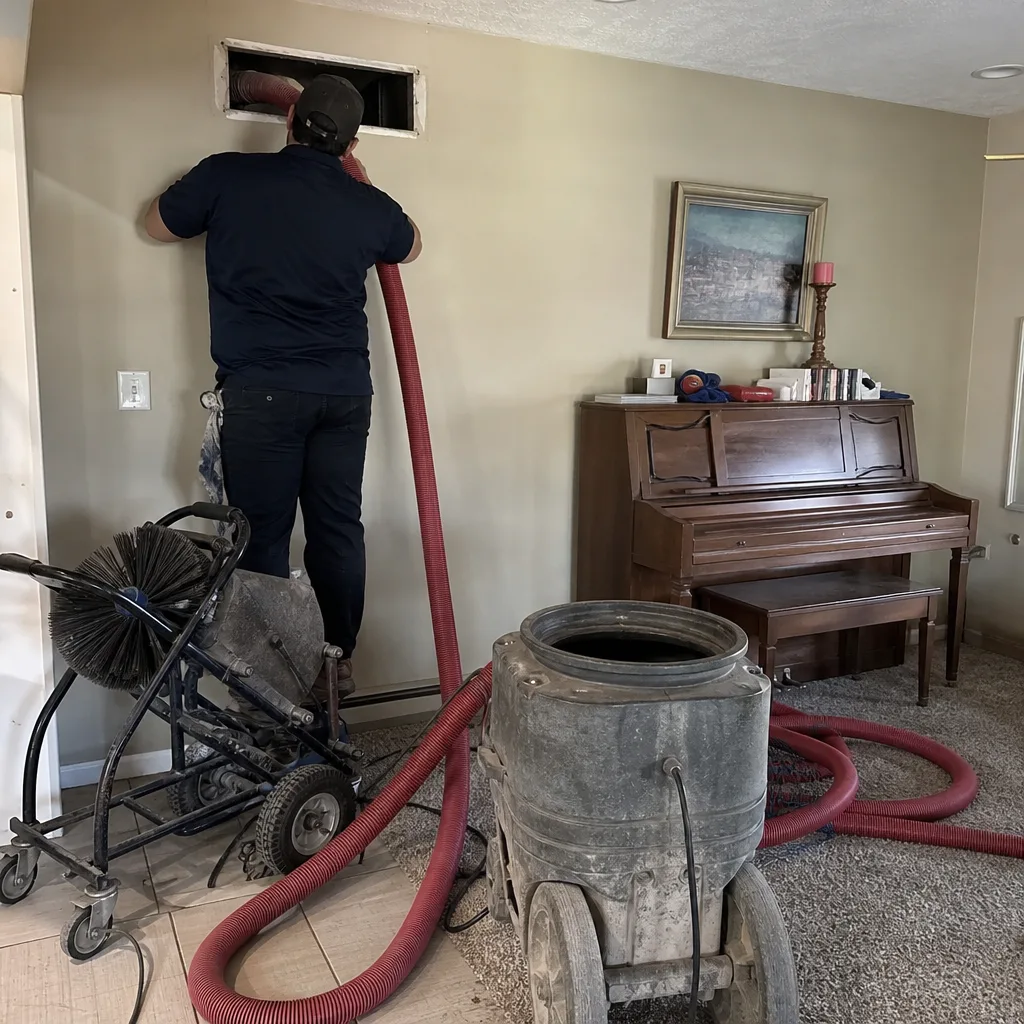
- Clean the full system with professional equipment. Rotobrush and Nikro systems are purpose-built for residential ductwork and reach surfaces a shop vac never will. We connect those tools to Abatement Technologies air filtration during the process to contain what gets loosened rather than spreading it into the rooms.
- Seal the leaks found so the work you just paid for doesn’t leak back out. Duct repair and sealing is one of the five core services we provide, and it belongs in the same visit as the cleaning.
- Replace the filter with the right spec for your system and home. This matters going into winter, when the filter is doing the most work.
- Clean the HVAC components if the blower, coil, or drain pan can use attention. Our HVAC cleaning service handles that side of the system.
Doing this in fall, before you’re burning through gas and electricity to keep the house warm, means the whole system starts the season clean. It also gives you a baseline. If something changes in January, you know what “normal” looked like three months earlier.
Winter: Inversion Season and Filter Degradation
Winter is when Roy’s duct system earns its keep and takes the most punishment. During an inversion, the air your system pulls in carries fine particulates from wood smoke, vehicle exhaust, and general urban dust, and none of that clears the valley until the weather turns. The filters are doing more work than their labels promise. In our experience, winter filter loading in the valley happens faster than the “every 90 days” guidance suggests, and by mid-season many filters are already saturated.
A mid-winter filter check is the single most useful thing you can do from December through February. It isn’t a full cleaning; it’s a 10-minute look at the filter to see how much dark material has collected. If it’s grey with dust, replace it. If it’s still mostly white, leave it and check again in a few weeks. Doing this yourself between professional visits keeps the system breathing during the worst air weeks of the year.
Beyond the filter, a few things deserve attention each winter:
- Dust blooms after a cold snap. If you see visible dust coming from the registers after the furnace has been idle for a few days, the ducts are holding material that’s getting stirred up. A mid-season check with a camera can confirm whether the system needs attention or just a filter change.
- Airflow changes. If specific rooms feel weaker than they did in November, a duct joint may have opened or a run may be partially blocked. That’s worth flagging rather than waiting until spring.
- Odor. A slightly musty smell from the registers during winter heating usually traces back to something biological or accumulated in the system. That’s a signal, not a nuisance. It often points to a sanitizing need or to moisture that shouldn’t be there.
Winter is generally not the time for a full deep cleaning in a well-maintained home cleaned the previous fall. It is the time for monitoring, filter changes, and noticing the small signs before they become a spring repair. For homes that haven’t had a professional cleaning in years, an emergency winter visit makes sense when the dust or odor problem is active. Call (877) 389-1745 and we’ll talk through what you’re seeing.
Spring: Pollen, Soil, and Agricultural Particulate
Spring in Roy brings a specific particulate mix that most cleaning guides never mention: pollen from valley trees and weeds, fine soil dust carried on the wind, and agricultural particulate drifting in from the surrounding farm corridors. The combination is why homes here often feel dustier in April and May than they ever do in winter, even after the furnace stops running.
The reason is simple. During spring, doors and windows open more, the return ducts pull in outdoor air through every crack and doorway, and the filter has to catch fine soil and pollen that sits lighter in the airstream than winter’s soot. Some of it lands in the return side. Some of it lands in the supply runs. By mid-May, a well-used system in Roy often has noticeable dust buildup in the trunk line and boots.
A spring cleaning addresses that directly. The visit typically covers:
- Full cleaning of the return and supply sides with the Rotobrush and Nikro systems, followed by a camera check to verify the result before we leave.
- Filter replacement with a spec matched to the season. Going into spring, a filter rated for fine particles is worth considering if anyone in the home has allergies.
- Register and grille cleaning so the last step of the airstream isn’t the dirtiest surface.
- Air quality walkthrough to check for signs of moisture intrusion, pest activity, or duct damage that should be handled now rather than in fall.
Spring is also the right season to think about whole-home filtration. Honeywell and Aprilaire components integrate with most residential systems, and upgrading the filter housing in spring means the new setup carries you through summer smoke season without a mid-summer installation. The spring visit is a good moment to talk through what’s available.
Summer: Wildfire Smoke and Filtration Upgrades
Wildfire smoke shows up in the Weber County valley most summers. Some years it’s a few hazy days; others it settles in for weeks. When it does, your HVAC system becomes the front line, and the standard filter becomes the limiting factor. A mid-grade filter catches the bigger smoke particles but lets through much of the fine particulate that gives smoke its characteristic smell and irritation.
There are two part to summer duct care: cleaning the system before smoke season and improving what the system can filter once it’s here.
On the cleaning side, a pre-summer cleaning matters when spring has loaded the system with pollen and soil. Ducts that already hold particulate have less ability to handle what summer adds. Cleaning in early summer, before the first regional fire, gives the system a clean starting point. If your home runs air conditioning hard from June through August, this is also the right moment to have the evaporator coil and drain pan checked as part of the HVAC cleaning visit. A dirty coil reduces cooling efficiency and can hold moisture that encourages biological growth.
On the filtration side, summer is when an activated carbon pre-filter is worth considering. Carbon doesn’t filter out particles the way a pleated filter does, but it adsorbs the gases and odors that come with wildfire smoke and that a standard particle filter lets through. Layering a carbon pre-filter ahead of the main filter also extends the main filter’s life during a heavy smoke window. Roy Air Duct Cleaning works with Honeywell and Aprilaire components routinely, so we can talk through which setup fits your existing filter cabinet without cutting into ductwork.
One caution: don’t over-spec the filter. A very high MERV filter can restrict airflow on a system not designed for it, which strains the blower and reduces cooling performance. The right answer is system-matched, and that conversation belongs in the summer visit, not on a retail shelf.
Matching Sanitizing to the Season
Sanitizing treatments are worth doing in specific conditions, not on every visit. The question isn’t whether to sanitize, it’s when a treatment actually addresses a real problem and when it’s just a product applied for its own sake. Roy’s seasonal humidity and temperature swings answer that question differently depending on the time of year.
Winter is when sanitizing usually makes the least sense unless there’s a specific problem. Indoor air is dry, biological growth is slowed, and there’s rarely a reason to apply a treatment to ducts that were cleaned in fall. The exception: if a musty odor starts in January or February, sanitizing addresses the likely source rather than just masking it.
Spring and early summer are the highest-value window for sanitizing in Roy. When outdoor humidity rises and pollen enters the return side, the combination of moisture and organic particulate creates the conditions biological growth needs. A sanitizing treatment right after a cleaning removes the residue that could feed growth in the months that follow. Applied as part of a spring clean, it carries the system through summer.
Late summer and fall are the second-best window, mostly because they set up the heating season with a clean, treated system going into months of recirculation.
What sanitizing is not: a substitute for cleaning. Applying a treatment over a dirty system just coats the contamination. The sequence is always clean, verify, then sanitize. The sanitizing treatments we use are part of the Air Quality and Sanitizing service, and they’re applied after the cleaning and inspection, not in place of it.
Dryer Vent Cleaning: The Seasonal Hazard Most Guides Skip
Most seasonal air quality guides focus on ducts and forget the other ventilation system running in your home: the dryer vent. In Roy, that’s a mistake, because a clogged dryer vent is one of the leading causes of residential fires, and the fire risk doesn’t care what season it is. The lint that collects in the vent is highly flammable, and the dryer’s heat provides the ignition source when airflow is restricted.
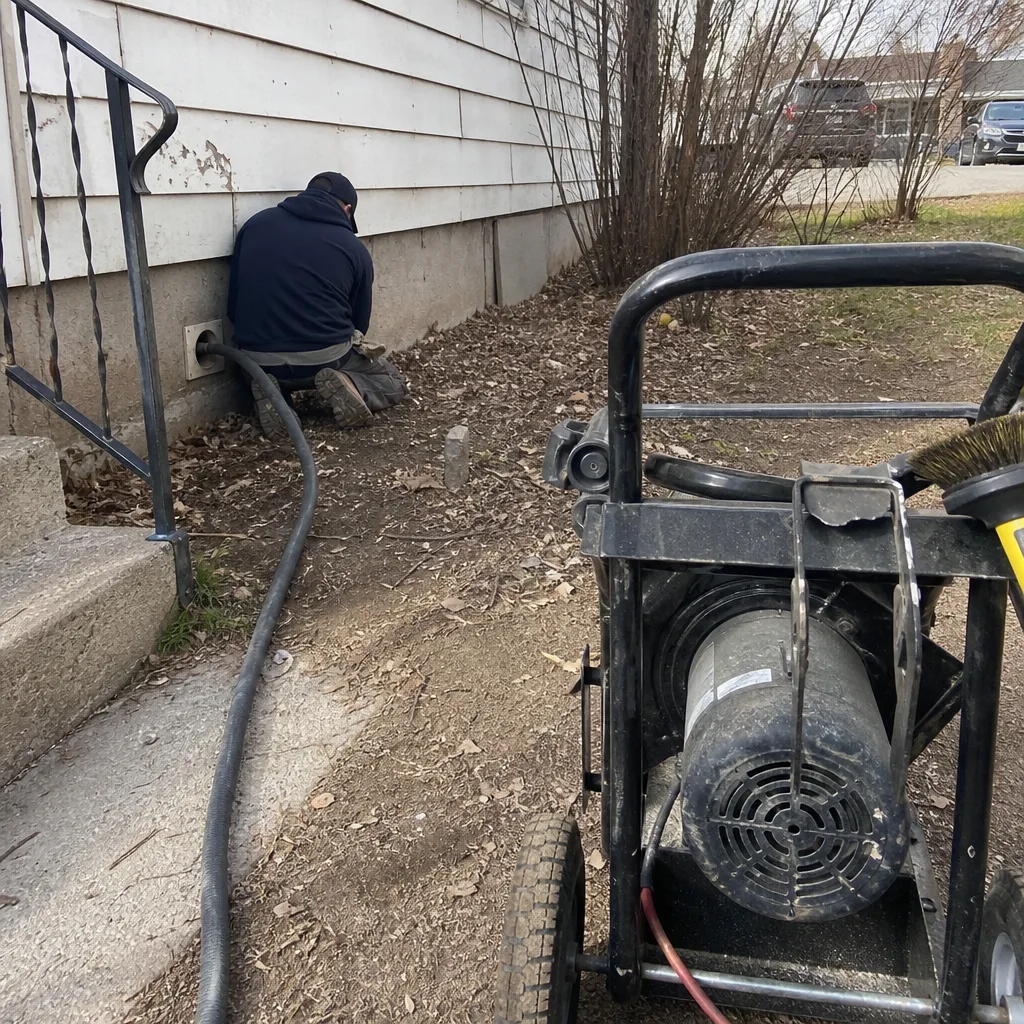
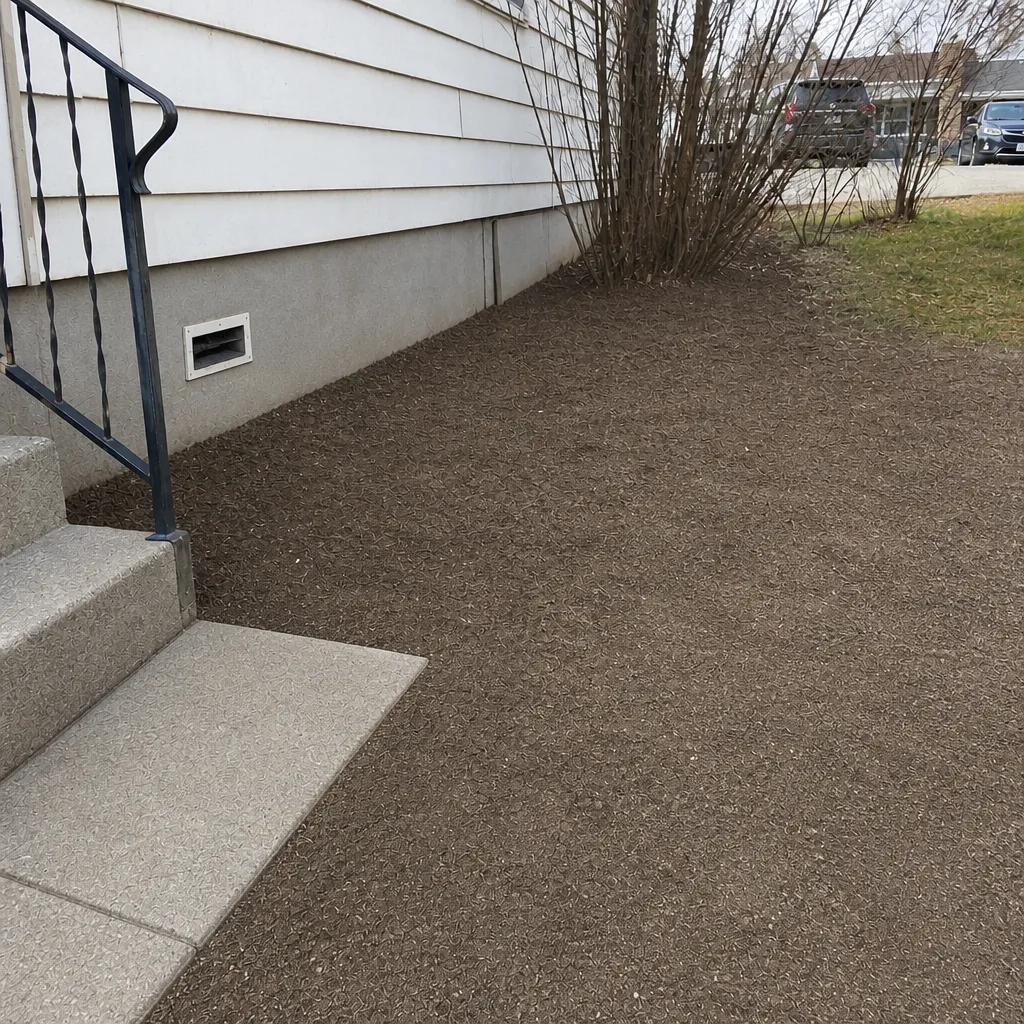
Seasonal timing works well for dryer vent cleaning. Spring and fall are the natural checkpoints because they line up with the other duct work already happening. A quick test between visits: run the dryer for a cycle and hold your hand near the outdoor vent. If the airflow feels weak, if the exhaust is unusually hot, or if the dryer takes much longer to dry a load than it used to, the vent likely has buildup worth clearing. Full-length dryer vent cleaning removes it, and it belongs on the same seasonal calendar as the duct cleaning.
The dryer vent cleaning service is part of the full-scope lineup for exactly that reason: a seasonal maintenance plan that ignores the dryer vent leaves a real hazard in place.
Common Mistakes to Avoid
- Waiting for a visible problem before cleaning. By the time dust is coming out of registers or a room smells musty, the system has been loading for a while. The seasonal cadence is designed to prevent that, not to react to it.
- Sticking to the “clean once a year” rule from national advice. That guidance is climate-neutral. In Roy, the four-season loading pattern means a single annual cleaning often misses the fall pre-heating window or the spring pollen surge, and one of them is the higher-value visit for your specific home.
- Using the cheapest filter available during smoke season. A one-dollar filter catches dust, not smoke. If summer smoke is a concern, upgrading to a system-matched pleated filter and considering a carbon pre-filter makes a measurable difference.
- Over-specing the filter for the system. The reverse mistake. A filter with too high a MERV rating on a system not designed for it restricts airflow, strains the blower, and can cost more in HVAC wear than it saves in air quality.
- Sanitizing without cleaning first. A treatment applied over contaminated ducts doesn’t fix anything. Clean, verify, then treat.
- Forgetting the dryer vent entirely. It’s on the same seasonal schedule and carries a fire risk that the duct cleaning alone doesn’t address.
- Hiring on the lowest bid without checking the equipment. A cleaning crew that arrives with a shop vac and a blower isn’t doing professional duct cleaning. Ask what equipment they bring before you book.
When to Call a Professional
Some signs are worth a phone call rather than a wait-until-next-season. Call if visible dust is coming from the registers after the furnace or AC runs, if a room has gone noticeably quieter than the others on the same floor, if there’s a persistent musty smell when the system runs, or if anyone in the home has started showing allergy or respiratory symptoms that seem worse indoors. Also call if you’ve recently finished a renovation, had pest remediation done, or replaced your HVAC system: those all leave debris or contamination in the ductwork that a seasonal schedule won’t address on its own.
Roy Air Duct Cleaning offers free estimates in Roy – call (877) 389-1745. Our technicians have up to 9 years of experience, and we bring the same equipment class used by commercial contractors: Rotobrush and Nikro cleaning systems, with Abatement Technologies air filtration for containment during the work. If you want the full picture of who we are, start at Roy Air Duct Cleaning.
Frequently Asked Questions
Most Roy homes do best with one full cleaning per year, timed for fall before heating season, plus a spring check if the home has allergies or if pollen and agricultural dust are a concern. Homes near busy roads, homes with pets, or homes that have just been renovated may need a second cleaning. The key is matching the timing to Roy’s seasons rather than following a generic annual reminder.
Yes. During a winter inversion, the air that enters your HVAC system carries fine particulates trapped in the valley, and your filters load faster than they would in cleaner outdoor air. A mid-winter filter check is worth doing even on a system cleaned in fall. If the filter is visibly grey or dark, replace it and check again in a few weeks – saturated filters stop doing their job. Call (877) 389-1745 if you want us to look at the whole system during inversion season.
No. Higher MERV ratings capture finer particles, which helps during wildfire smoke season, but a filter rated too high for your system’s airflow can restrict the blower and reduce heating and cooling performance. The right filter is the highest rating your system can handle without strain. We match the filter spec to the system during any visit, and that conversation is easier to have before smoke season than during it.
Before smoke season arrives, ideally in early summer. Carbon pre-filters adsorb the gases and odors in smoke that pleated filters let through, and they extend the life of the main filter during a heavy smoke window. Layering a carbon pre-filter ahead of a system-matched pleated filter gives you both particle and gas capture. We install Honeywell and Aprilaire components regularly and can set one up without modifying your ductwork.
Sanitizing is most valuable in spring and early summer, when humidity rises and pollen enters the system, and again in fall going into heating season. Winter rarely needs it unless there’s a musty odor, and even then the answer is to clean first and treat second. Sanitizing over a dirty system just coats contamination rather than removing it, so the treatment follows the cleaning in every case.
Because a clogged dryer vent is a leading cause of house fires, and it fills with flammable lint the same way ducts fill with dust. Spring and fall are natural checkpoints since the duct work is happening anyway, and a simple airflow test between visits tells you if buildup is starting. The dryer vent cleaning service removes it, and skipping the vent while cleaning ducts leaves a real hazard unaddressed.
Usually because the equipment isn’t the same class. A low quote often means a shop vac, a blower, and a quick pass, not a professional Rotobrush or Nikro system with containment. A cheap cleaning leaves contamination in places a real cleaning would remove. We price per job by written estimate and don’t quote a per-vent rate, because vent count doesn’t determine the work involved. Call (877) 389-1745 for a quote you can compare honestly.
Ask for before-and-after photos and a camera verification of the ducts after the cleaning. Any professional service should be willing to show you the condition at the end of the visit. If a crew leaves without a documented result, it’s fair to question what the cleaning actually covered.
The Bottom Line
Roy’s climate doesn’t fit the generic annual cleaning advice most homeowners hear, and treating your ducts like they’re in an average city leaves real benefits on the table. Build the year around fall as the primary deep clean and pre-heating inspection, winter as filter-check season during inversions, spring as the pollen and agricultural particulate clean, and summer as the smoke-season filtration upgrade. Add sanitizing where humidity and biological risk actually call for it, and keep the dryer vent on the same seasonal calendar. From cleaning to sealing to sanitizing, one company can cover the full scope, and a written estimate sets the price before work starts.
Call (877) 389-1745 for a free estimate. We answer 24/7. Fast dispatch from 7am to 7pm, Sunday through Friday. Our technicians have up to 9 years of experience, and we bring professional-grade equipment, not shop-vac shortcuts.
Written by the team at Roy Air Duct Cleaning.
See the difference
 Before
 After
 Before
 After
 Before
 After