
Last updated November 23, 2026
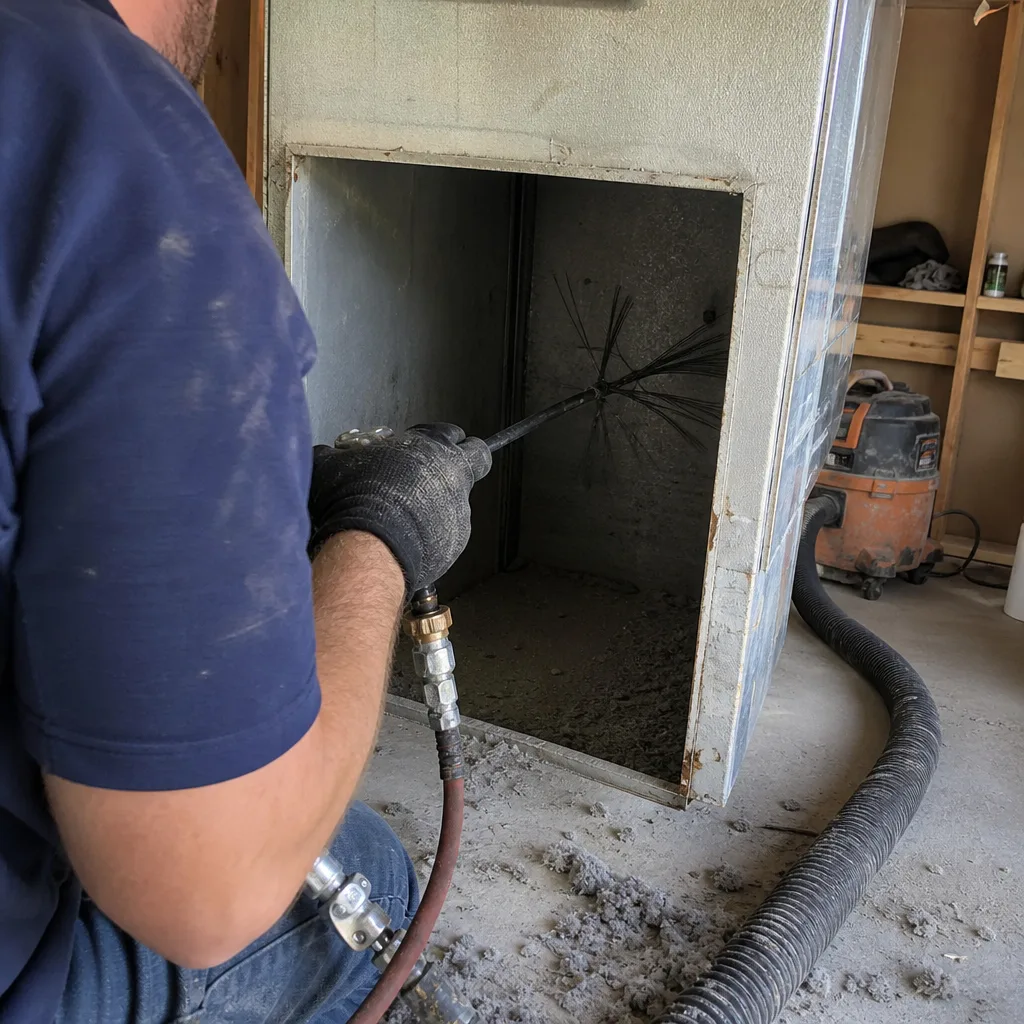
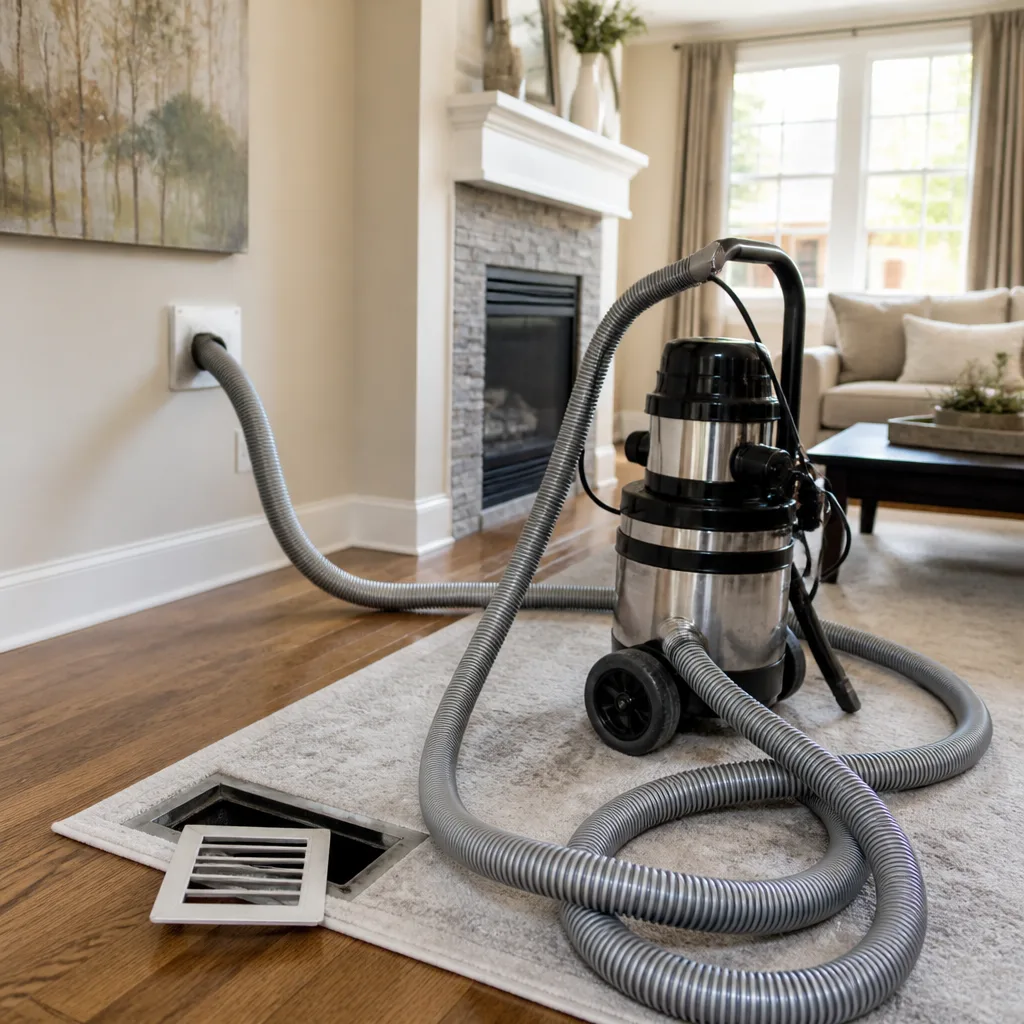 Whole-home duct cleaning
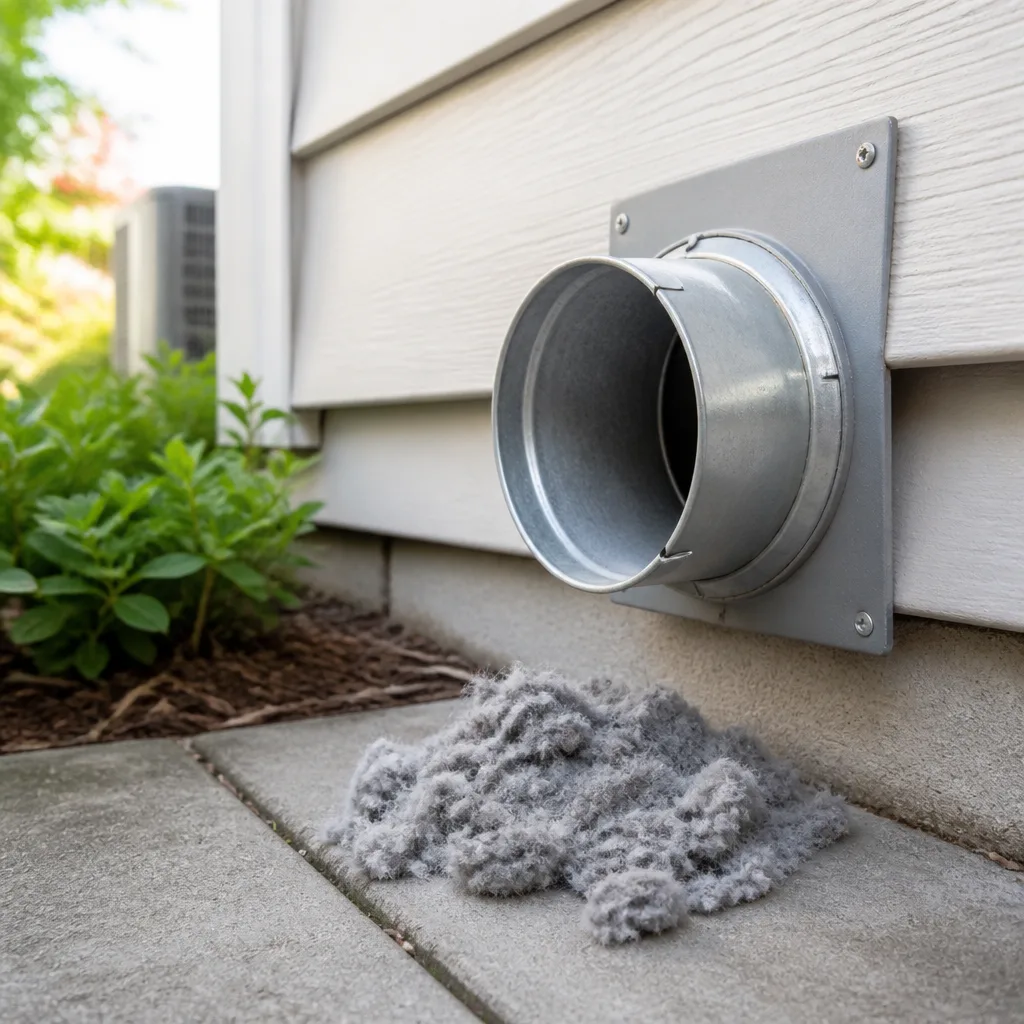 Dryer vent cleaning
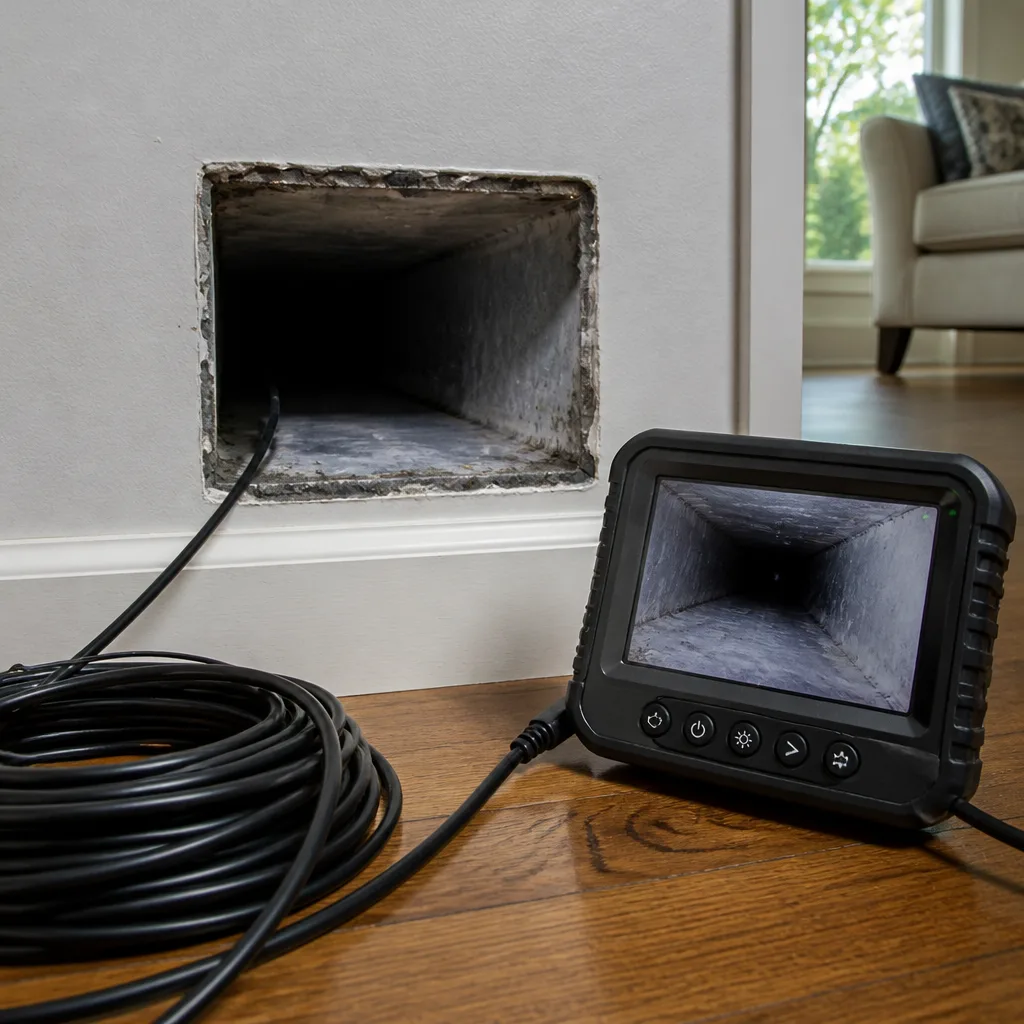 Camera inspection
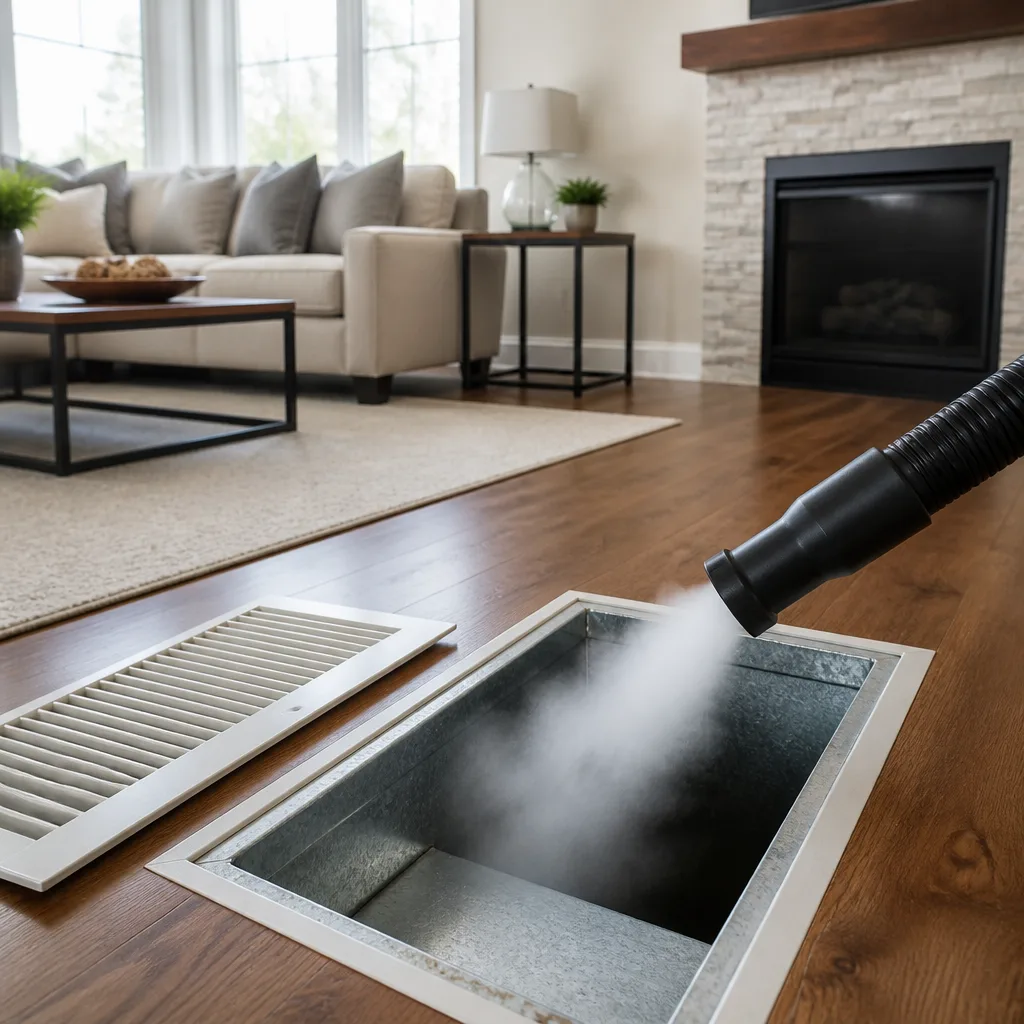 Sanitizing & deodorizing
Whole-system duct and dryer vent check with before-and-after photos - you see exactly what came out of your vents
That "$99 whole-house special" is a bait ad - the real number appears once they are in your hallway, or the "clean" is a shop-vac at the register. We photograph the inside of your ducts before and after instead.
Air Duct Cleaning Warning Signs: A Roy Homeowner’s Reference Guide
A filter that maxes out in three weeks instead of thirty days isn’t a filter problem. It’s your duct system telling you there’s an upstream contamination source that no filter change will address. Most of the warning signs we get called about in Roy aren’t dramatic: no smoke, no smell of burning plastic, nothing that sends anyone running for the phone. They’re quiet patterns. Airflow that shifts from room to room. A musty edge to the air when the furnace kicks on. Registers that leave a gray shadow on the ceiling. In this guide we’ll walk through what these signs actually mean, how to read them the way a technician does, and when a duct problem has moved past the point where another filter will help. Roy gets its own section, because the housing stock here changes what to look for.
Quick Answer
The main warning signs that your air ducts need professional cleaning are: a filter that clogs in weeks rather than months, visible dust streaks around registers and return grilles, musty or chemical odors that appear only when the HVAC system runs, uneven room temperatures that worsen over time, and symptoms that flare up indoors and ease when you leave. Any two of these together is a strong signal. Any three or more, and it’s worth having the system inspected.
Styles & brands we work with
- Whole-home duct cleaning
- Dryer vent cleaning
- Camera inspection
- Sanitizing & deodorizing
Table of Contents
- How to Read Airflow Signs Like a Technician
- Odor Profiles: What Each Smell Tells You
- Why Uneven Room Temperatures Point to Ducts First
- Warning Signs That Are Specific to Roy’s Older Housing Stock
- The Post-Renovation Checklist: The Trigger Most Homeowners Miss
- Using Register Output as a Diagnostic
- The Duct You Probably Aren’t Thinking About
- What Professional Duct Cleaning Actually Looks Like
How to Read Airflow Signs Like a Technician
Every spring, Roy Air Duct Cleaning gets calls about filters that clog faster than they used to. That’s the single most reliable sign a homeowner can watch, and it’s the one most people miss because they assume the filter brand got worse or the furnace aged. Neither is usually true. Filters load from the air passing through them, and if they’re loading in half the usual time, it means roughly twice as much airborne debris is reaching the return.
Here’s how a technician sorts out what’s normal from what’s active contamination. Normal settling is small, seasonal, and consistent. Active contamination compounds.
- Filter load interval. A filter that used to last a full change interval and now needs changing in a fraction of that time means a growing debris source upstream, not a filter defect.
- Dust streaks at registers. Faint gray trails fanning out from a supply register are air moving through dust the duct is redistributing. Dust that settles evenly on every surface is normal house dust.
- Return grille staining. A browned or darkening filter grille pulls harder than the supply side because it’s pulling more air. Heavy staining there points to debris collecting in the return trunk.
- Ceiling shadows near supply boots. A shadow that follows the shape of the boot and grows over months is a small, steady deposit pattern, not an occasional puff of dust.
- Airflow weakness. A register that used to push hard and now feels soft – without any thermostat or blower change – is often a partially collapsed or debris-loaded run.
The important distinction: normal dust settling doesn’t concentrate. Active contamination does. It clusters at the registers, follows the supply pattern, and builds in the same places over and over. If you wipe a register clean and it’s gray again in a week or two, that’s the pattern to watch.
Why the “I Just Changed the Filter” Answer Misses the Point
Changing the filter more often is the most common response to fast-clogging filters, and it works briefly. What it doesn’t fix is the source. A filter is a downstream barrier; the dust has to pass through dozens of feet of ductwork to reach it. If that ductwork is holding debris, the filter is doing its job but the debris is still there. In our experience, filters that replace like clockwork for years and then start dying young are the clearest signal that the duct has become the contamination source.
Odor Profiles: What Each Smell Tells You
Odors are the diagnostic category homeowners call us about best, because you can’t mistake them for normal. The trick is knowing that not every smell means the same problem, and a smell that only appears when the system runs is a strong signal the duct is the source.
The Musty Smell
A musty, “old basement” smell that hits when the heat or AC kicks on points toward a microbial problem – that is, mold or mildew growth somewhere in the duct or in the air handler’s wet coil area. This is usually wet-driven. It comes from condensate that doesn’t drain, a coil that stays damp, or a humid season that lets moisture sit in duct liner. Cleaning is part of the answer; the lasting fix is finding where the moisture comes from, then addressing it.
The Burning Smell
A faint scorched smell in the first heat of the season is normal dust burning off the heat exchanger. A burning smell that persists, returns after the system has run for a while, or smells like plastic or insulation is not normal. It points to debris sitting near a heat source or a component running hotter than it should. Treat that as a call-your-technician signal, not a duct-cleaning signal – it’s a safety question before anything else.
The Chemical Smell
A synthetic, “new car” or glue-like odor coming through the registers is often off-gassing from duct liner, adhesive, or sealant used in a recent install or repair. In some cases it’s a sign of liner that has degraded and is releasing into the airstream. Because liner deterioration is a duct integrity question as much as an air quality one, that pattern is worth a professional inspection.
- Musty: moisture-driven microbial growth – clean and dry the source.
- Burning: present year-round or worsens with run time – safety check before cleaning.
- Chemical: liner or sealant off-gassing – inspect integrity and repair.
- Rises when the system runs only: duct is the source, not the room.
Why Uneven Room Temperatures Point to Ducts First
When one room is always 4 degrees cooler than the rest of the house, most homeowners blame the HVAC system. Technicians check the ducts first, because uneven temperature is a flow-restriction symptom long before it’s a capacity symptom. A system designed to heat every room can only do so if every run carries the air it’s meant to carry.
Roy houses put this pattern on display more than their share. In our experience servicing Roy, we’ve found the restriction shows up in four common ways:
- A restricted run. A damper stuck partway, a crushed flex run, or a joint that’s separated leaves a room starved of air even when the system is running fine.
- Debris-loaded trunk. A main trunk loaded with debris reduces pressure across every downstream register, and the rooms furthest from the air handler notice it first.
- Blocked return. A single return serving several supply rooms with a blocked grille raises pressure and reduces airflow everywhere.
- Added rooms or remodels. A room that didn’t exist when the system was designed needs a run the system may never have had.
The tell is timing. If a room has always been a little cooler, it’s a design issue. If it’s become noticeably cooler over months or years, the restriction is growing. That’s a duct problem. And when the restriction gets real, homeowners often replace the furnace or add a second system before anyone has looked inside the ductwork. A professional hvac cleaning inspection often finds the problem before that kind of money gets spent.
The Return-Side Clue
Uneven cooling often traces to the return side, not the supply. If your home only has one or two return grilles and one of them is loaded with debris, every room is pulling from a restricted source. A technician checks that first because it’s cheap to test and it explains a lot of “my system just can’t keep up” complaints.
Warning Signs That Are Specific to Roy’s Older Housing Stock
Roy’s housing stock includes decades of construction where flex duct and duct board were state of the art at the time. Flex duct is fine material – it just has a finite life and a few predictable failure modes. Two of them are the most common structural warning signs we see in Roy homes.
Flex Duct Collapse
Flex duct runs through attics and crawlspaces, and when it moves after installation, gets crushed by insulation, or sags, it partially or fully collapses. A collapsed run is a restriction. Signs: a room that used to heat now doesn’t, a whooshing or whistling sound at the register, or a fabric duct visible from the access hatch with a pinched or twisted shape. A flex duct collapse is a duct repair problem – cleaning doesn’t fix it, and sealing a collapsed run doesn’t help either.
Deteriorating Fiberglass Liner
Older rigid duct and duct board systems are lined on the inside with fiberglass to keep air cool and the noise down. After enough seasons, that liner can break down, shed fibers, and release particles into the airstream. Warning signs: a fiber-like residue on registers, a scratchy throat after the system runs for a while, or a visible rough surface inside the duct when you peek through a register. A deteriorated liner is an integrity question – the right answer is repair or resealing, not just cleaning.
This is why we treat duct repair and sealing as part of the same job as cleaning. A duct that’s contaminated and structurally compromised can’t be fixed with a vacuum alone. Honeywell and Aprilaire controls and IAQ hardware only do their job when the ductwork moving air to them is intact, which is the practical reason a duct integrity check is worth doing before any cleaning work starts.
The Post-Renovation Checklist: The Trigger Most Homeowners Miss
Renovation dust is the single most underdiagnosed trigger for duct cleaning in our area, and it comes from a direction most homeowners don’t expect. The renovation doesn’t have to be a full remodel. A kitchen or bath renovation, a carpet replacement, or a session of drywall repair generates fine construction dust that goes everywhere, including into every open register and return.
The system then circulates it. Depending on how the renovation was sequenced, that debris may have been pulled into the return before anyone sealed the registers. For six months or a year, the filters do their best. Then the filters start loading faster, or a register starts showing streaks, and the owner thinks the system broke. It didn’t break. It’s still carrying the renovation.
If you’ve had work done in the last 12 months, use this checklist:
- Did the contractor seal the registers and returns? Not always done. Unsealed openings let fine dust into the duct.
- Did the filter get changed right after the work, not before? A filter swapped before the last dust settles is a filter that loads fast.
- Is there a line of dust around the construction doorway? That’s the dust that didn’t settle. Some of it went into the duct.
- Has anyone had watery eyes, a scratchy throat, or a cough that started after the work? That pattern points to the airstream.
- Has the filter been loading faster ever since? That’s the strongest post-renovation signal.
A duct cleaning after renovation is different from a routine cleaning. It’s about capturing construction debris, not everyday dust, which is why professional equipment matters. The same is true after pest remediation, or after any work that leaves visible debris in the airstream. Abatement Technologies filtration is one of the ways we contain post-renovation dust during the cleaning itself so it’s captured rather than redistributed.
Using Register Output as a Diagnostic
You don’t need instruments to start reading your own duct. You need attention and a little patience. Here’s a short routine that tells you a lot:
- Number your registers. Write down each supply register in the house and the room it serves.
- Test airflow to the hand. Hold your hand about six inches from each register and note whether the airflow feels strong, average, or weak. Do it at the same setting, on the same day, ideally within the same hour.
- Note which registers are weakest. Rooms furthest from the air handler will always be a bit weaker. What matters is a room that’s noticeably weaker than the room next to it.
- Wipe a register clean. Wipe one register with a white cloth and put the cloth in a bag. Wipe the same register again in a week. If the cloth comes back gray in a week, the duct is actively depositing.
- Repeat monthly. The rate of change matters more than any single test.
What your register output tells you:
- Even dust, every room: normal house dust, no duct contamination signal.
- Dust concentrated at registers and returns: duct is redistributing debris.
- One or two registers far weaker than the rest: a restriction in those runs.
- Worsening over months: the contamination or restriction is growing.
- Soft pipes and blinking at any register on the supply side: a prompt inspection is a good idea.
This routine is a check, not a cleaning test. If two or more of those signals are true, that’s your cue to call. (877) 389-1745 is our line; we’ll tell you what we’d look at first.
The Duct You Probably Aren’t Thinking About
Warning signs in the duct you’re not thinking about are often the most serious. The dryer vent cleaning side of the house is where lint accumulates in ways homeowners can’t see, and the fire risk from a lint-loaded dryer vent is real. It’s not a comfort issue.
Signs your dryer vent is loaded:
- The dryer takes longer to dry a load than it used to, especially a heavier load like towels.
- The outside vent flap doesn’t open fully, or doesn’t open at all, when the dryer is running.
- The top of the dryer feels hot to the touch, or the laundry room feels warmer than usual.
- There’s visible lint around the outside vent hood or the lint trap fills unusually fast.
- A burning smell or any hint of scorching around the vent run – treat that as a stop-the-dryer signal.
The reason lint matters: a dryer vent that’s loaded with lint has reduced airflow, which raises the operating heat inside the dryer, which is exactly the condition a fire needs. Dryer vent cleaning isn’t a comfort service. It’s a fire safety service, and it’s one of the reasons we treat it as a core part of indoor air work rather than an add-on. Guardsman-level attention to venting detail belongs in every dryer servicing conversation.
What Professional Duct Cleaning Actually Looks like
The reason we lead with equipment in this brand is because the equipment is what separates a duct cleaning from a shop-vac visit. Consumer-grade vacuums and blowers can move air but can’t capture debris at the volume or contain it in the way a real cleaning requires. Rotobrush and Nikro systems are purpose-built duct cleaning machines; they’re the class of equipment commercial contractors use, not the retail shop-floor grade.
Here’s what professional duct cleaning in Roy should include, and what you should see:
- A pre-cleaning inspection. The technician confirms the duct layout, checks for collapsed flex, cuts into the system where needed, and documents what’s there.
- Containment. Registers and supplies are covered or sealed, and the vacuum is connected to the main trunk. Abatement Technologies filtration in the process is what keeps the fine debris contained instead of blowing through the house.
- Mechanical agitation. A rotary brush or air whip runs through each branch, knocking loosened debris back toward the vacuum.
- Sanitizing where appropriate. Air quality and sanitizing is a separate step from cleaning and follows inspection. It’s an addition, not a substitute.
- Repair and sealing where needed. Duct repair and sealing closes gaps and restores failed joints so the cleaning holds. A clean duct with leaks is a duct that re-soils fast.
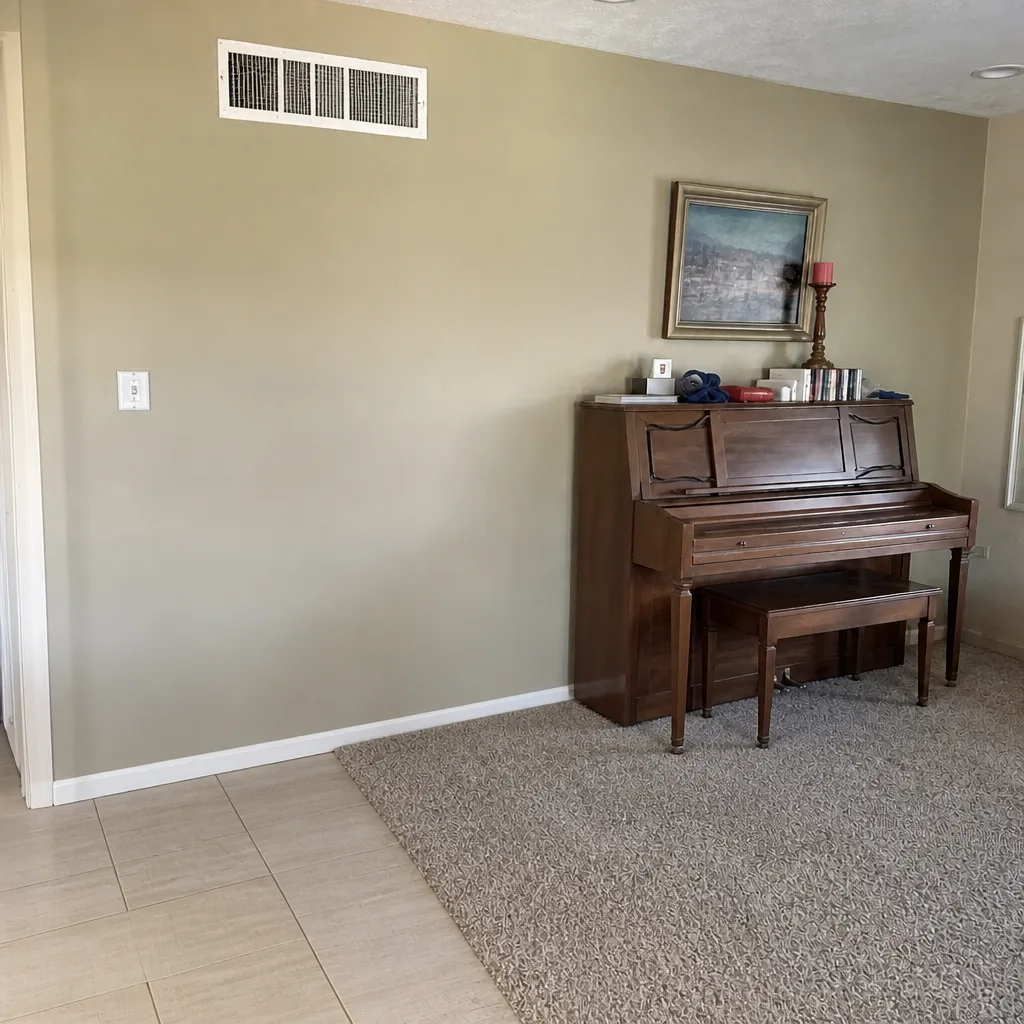
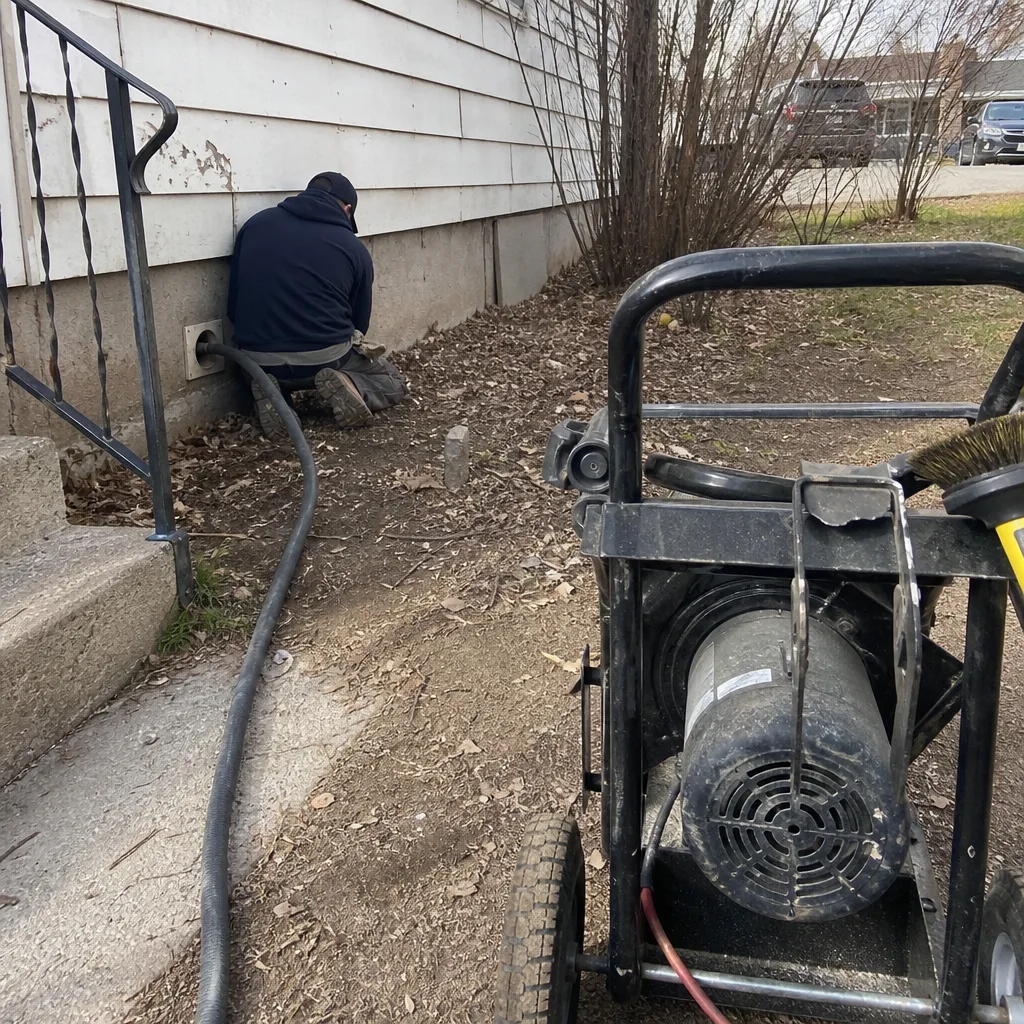
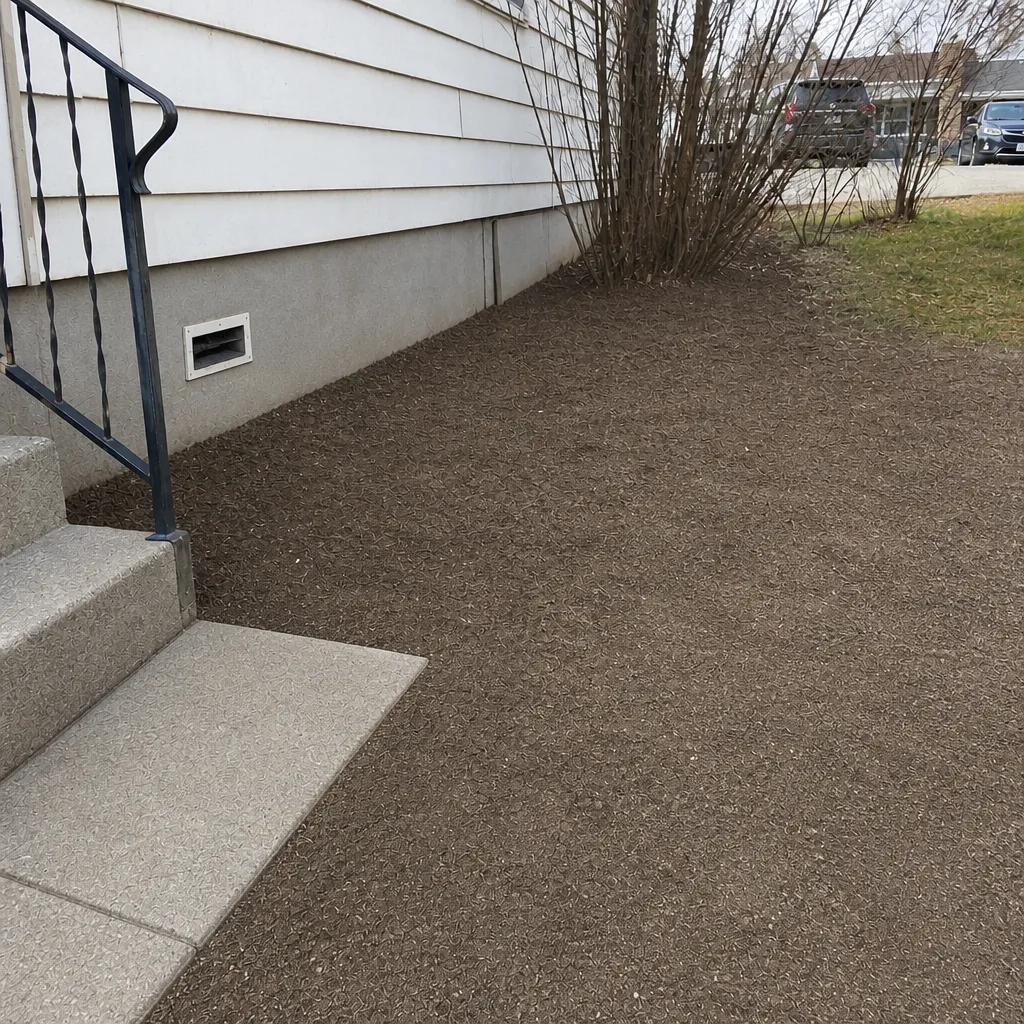
- Before-and-after documentation. Photos of the duct interior before and after the work are how you know it was done.
The full-scope point matters because a lot of duct problems turn out to be two or three problems at once: contamination plus a collapsed run plus a leaking joint. Handling it as one job means you’re not coordinating three vendors and arguing over who fixed what. air duct cleaning here is offered alongside the repair and sealing side of the work, which is the practical reason a single call can address the whole picture.
Common Mistakes to Avoid
- Treating a fast-clogging filter as a filter problem. Replacing filters more often hides the symptom and lets the source keep loading. A filter that’s dying young is a duct signal, and the duct is where the answer lives.
- Assuming a newer furnace means a clean duct. A new HVAC install doesn’t clean the duct it connects to. If contamination was there before the install, the new system inherits it, and the new equipment runs less efficiently because of it.
- Cleaning after renovation without sealing the registers first. If the registers weren’t sealed during the work, that’s a reason to inspect, not a reason to put it off. The dust is already in there.
- Skipping the dryer vent because it isn’t part of the air conditioning system. It’s the duct most overlooked and the one with the most direct fire risk. A dryer that takes two cycles to dry a load is a warning, not a preference.
- Hiring on price alone. A quote that’s dramatically lower than everyone else’s is usually a quote for a different job: no containment, consumer-grade equipment, no before-and-after documentation. The price difference is mostly in the process.
- Cleaning without a duct integrity check. If flex duct is collapsed or liner is deteriorating, cleaning doesn’t fix it and can make a failing duct worse. The inspection comes first.
- Watching the register for a dramatic sign. Most Roy duct problems don’t announce themselves. The pattern to watch for is the slow one: dust that comes back fast, a room that gradually cools, a filter that loads quicker every season.
See the difference
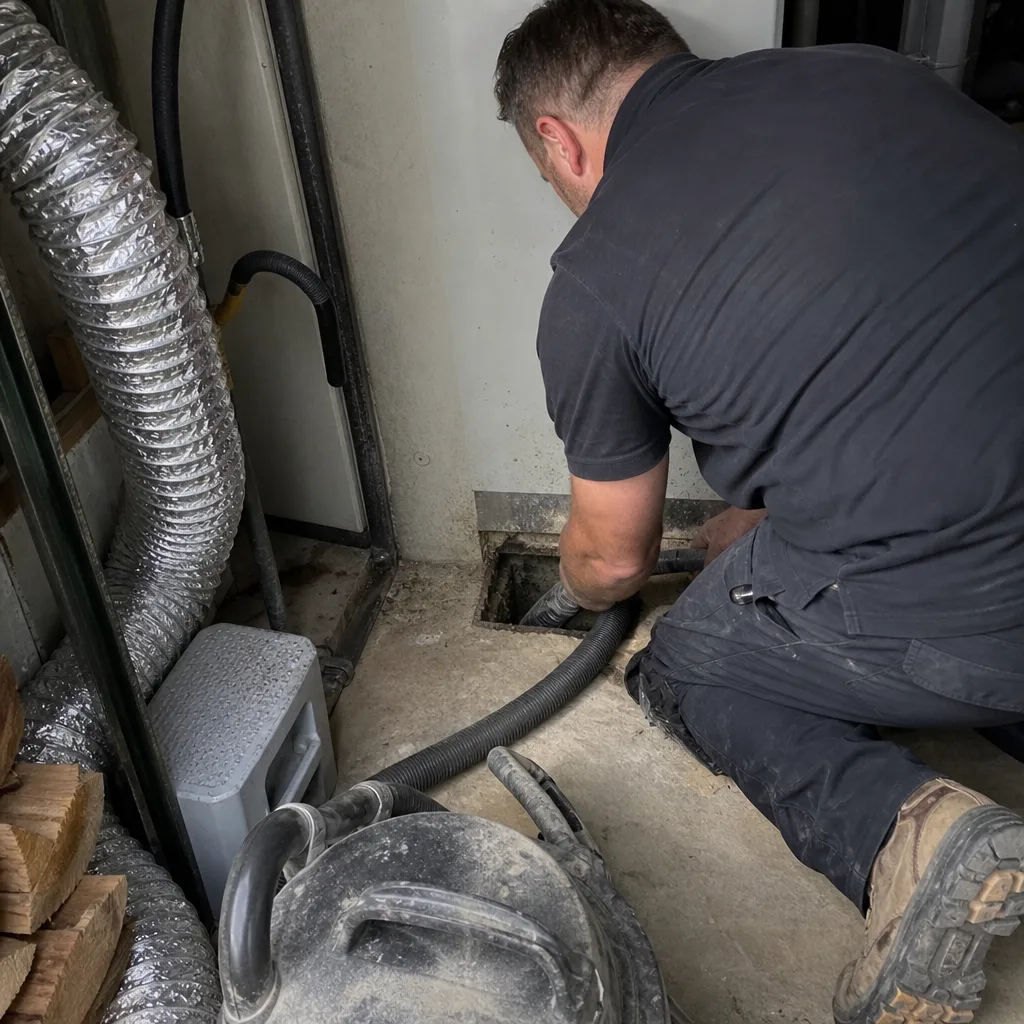 Before
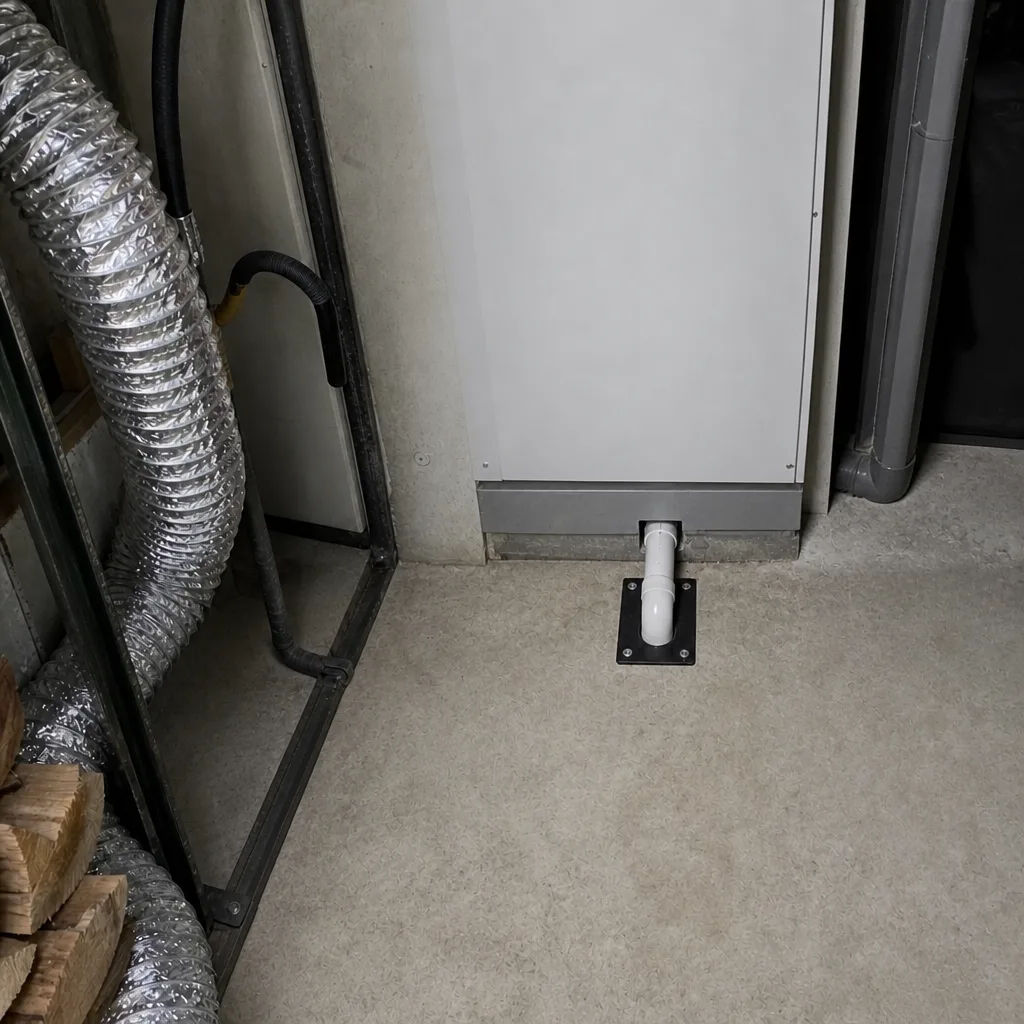 After
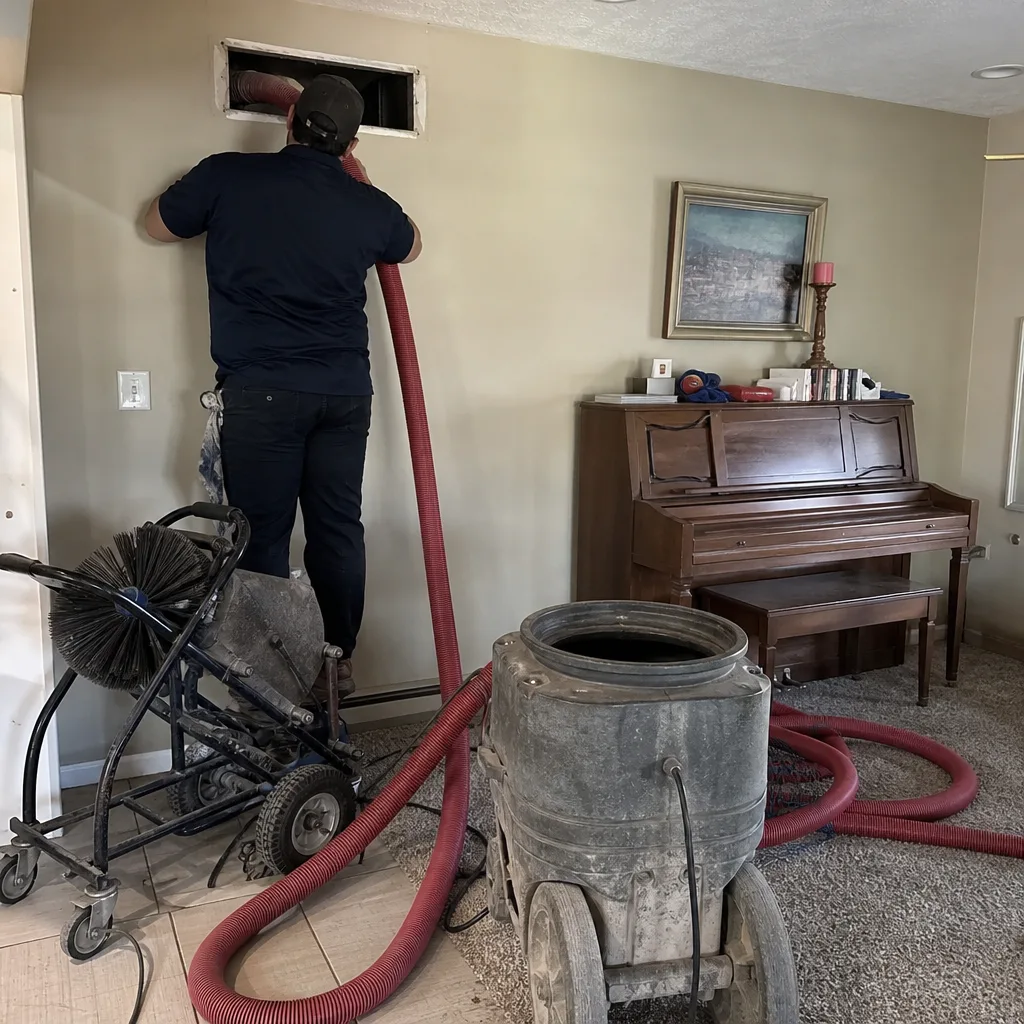 Before
 After
 Before
 After
When to Call a Professional
Call a professional if any of these describe your home: a filter that clogs in weeks rather than months; visible dust streaks around registers and return grilles that come back after cleaning; a musty, chemical, or burning smell that appears when the system runs; a room that’s gradually cooling while the rest of the house heats evenly; remodeling or pest work in the last year; or a dryer that takes noticeably longer to dry than it used to. Those are the patterns that point to a duct problem rather than a normal house. Roy Air Duct Cleaning offers free estimates in Roy. Call (877) 389-1745. We answer 24/7. Fast dispatch from 7am to 7pm, Sunday through Friday.
Frequently Asked Questions
The clearest sign is a filter that clogs much faster than it used to, combined with visible dust streaks at registers and a pattern of dust returning to the same spots within a week or two of cleaning. Any two of those together is worth an inspection. Call (877) 389-1745 for an exact quote – estimates are free.
There’s no single schedule that fits every home, and anyone who gives you a fixed number without looking at your system is guessing. Homes with pets, recent renovation, or smokers tend to need it more often than a low-pet, low-dust household. The honest way to know is the register test and the filter-load pattern above – when those change, that’s your signal. Call (877) 389-1745 for an exact quote – estimates are free.
Because it’s often not the same job. Lower quotes frequently skip containment, use consumer-grade vacuums, skip the inspection, or quote a per-vent price without seeing the system. Professional equipment – the class of equipment commercial contractors use – costs the company money to own and run, and that’s part of what a professional quote reflects. If two quotes are far apart, ask each one what equipment and containment they’ll use. Call (877) 389-1745 for an exact quote – estimates are free.
Ask for before-and-after photos of the duct interior. That’s the standard we work to, and it’s the clearest way a homeowner can see the actual condition change rather than take it on faith. A technician who won’t document the before-and-after is telling you something. Call (877) 389-1745 for an exact quote – estimates are free.
Often yes, and it’s the trigger most homeowners underestimate. Construction dust that enters the return gets distributed through the entire system, and filters catch only part of it. If registers weren’t sealed during the work and the filter has been loading faster since, a professional cleaning is worth scheduling. Call (877) 389-1745 for an exact quote – estimates are free.
Yes, and it’s the duct with the most direct safety stakes. Lint accumulation reduces airflow, raises dryer heat, and creates fire risk. A dryer that takes longer to dry, an outside vent that doesn’t open fully, or a hot dryer top are the warning signs. Dryer vent cleaning is part of the same indoor air scope as duct work. Call (877) 389-1745 for an exact quote – estimates are free.
The Bottom Line
Duct warning signs are rarely dramatic. The filter that clogs faster than it should, the register that leaves a shadow, the room that gradually cools, the smell that only appears when the system runs – those are the signs that matter. Read them as patterns rather than isolated events, look at your register output monthly, and act when the pattern is building. In Roy’s older housing stock, watch for flex duct collapse and liner deterioration as well, because cleaning doesn’t fix a compromised duct. The right answer is often cleaning, repair, and sealing addressed together, with professional equipment and documentation. Call (877) 389-1745 for a free estimate. We answer 24/7. Fast dispatch from 7am to 7pm, Sunday through Friday.
Written by the team at Roy Air Duct Cleaning.