
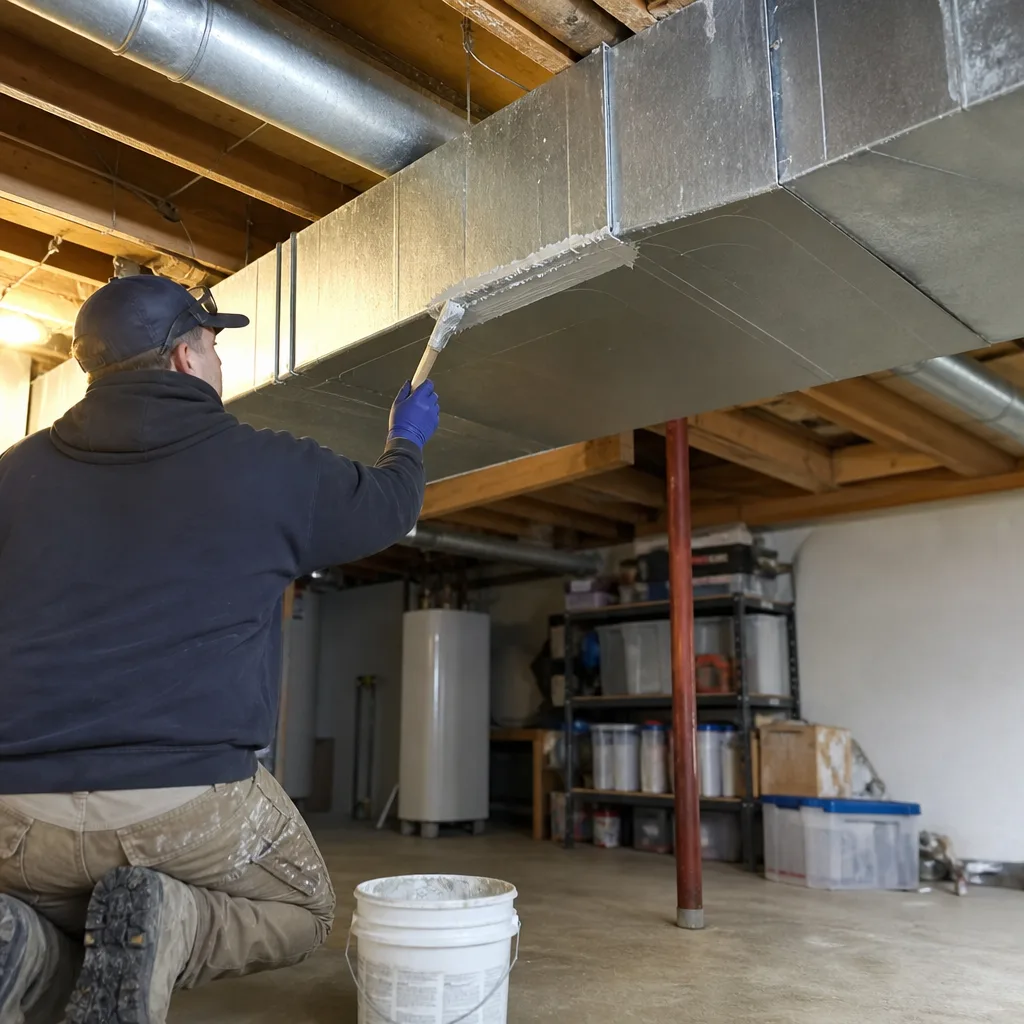
Last updated November 23, 2026
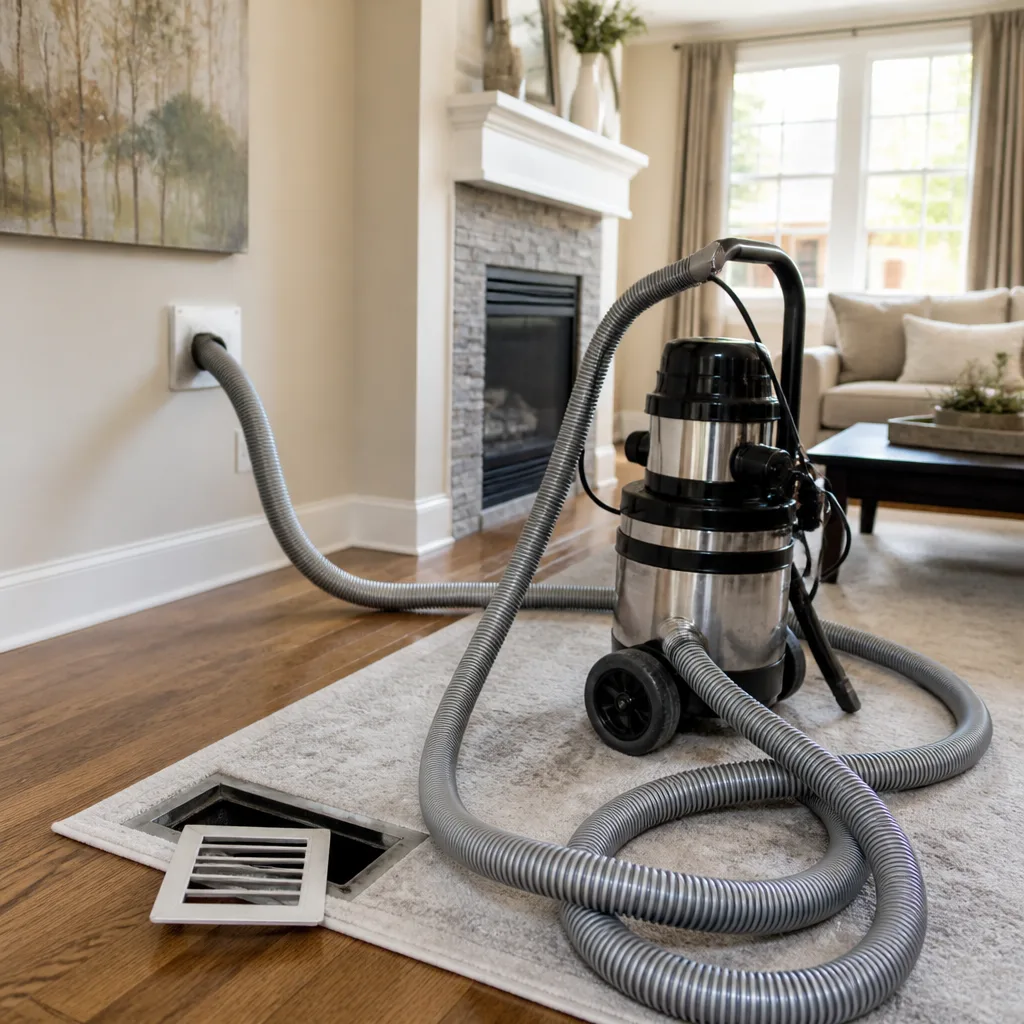 Whole-home duct cleaning
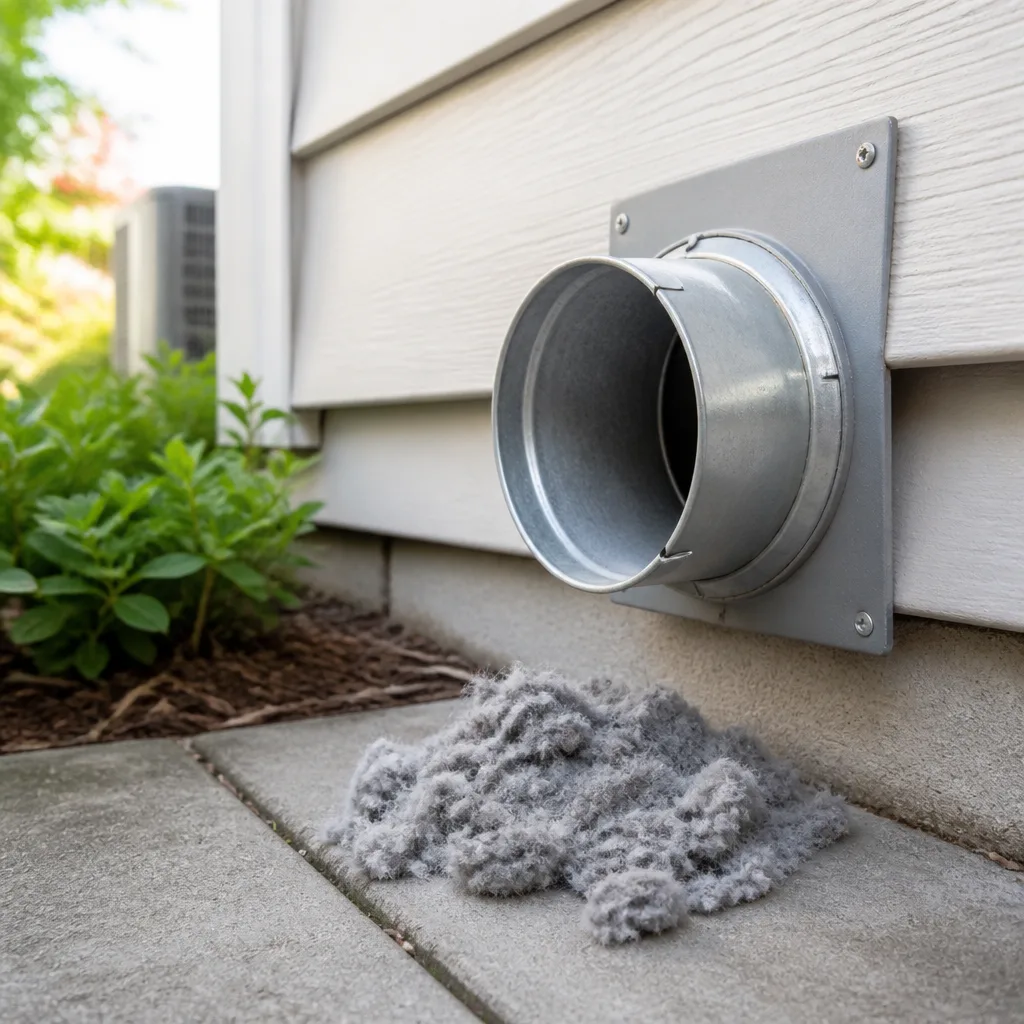 Dryer vent cleaning
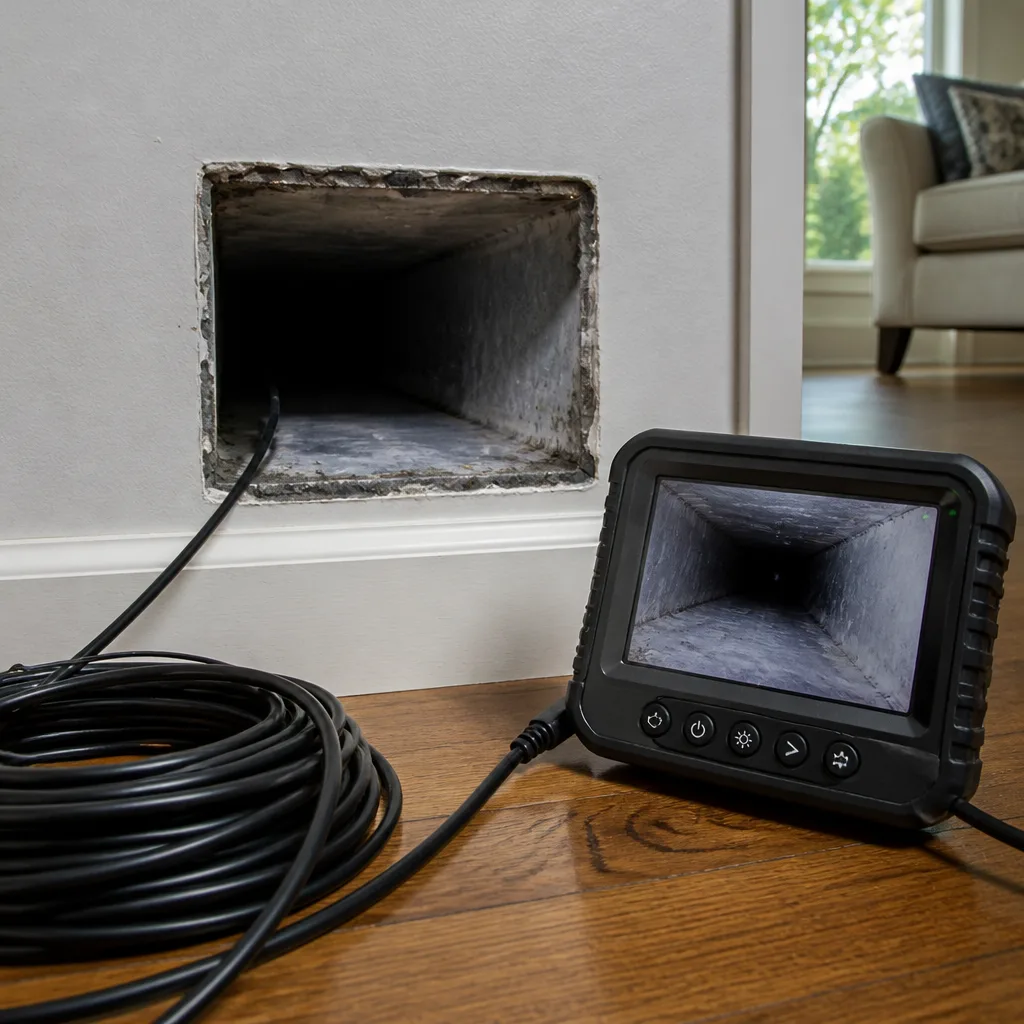 Camera inspection
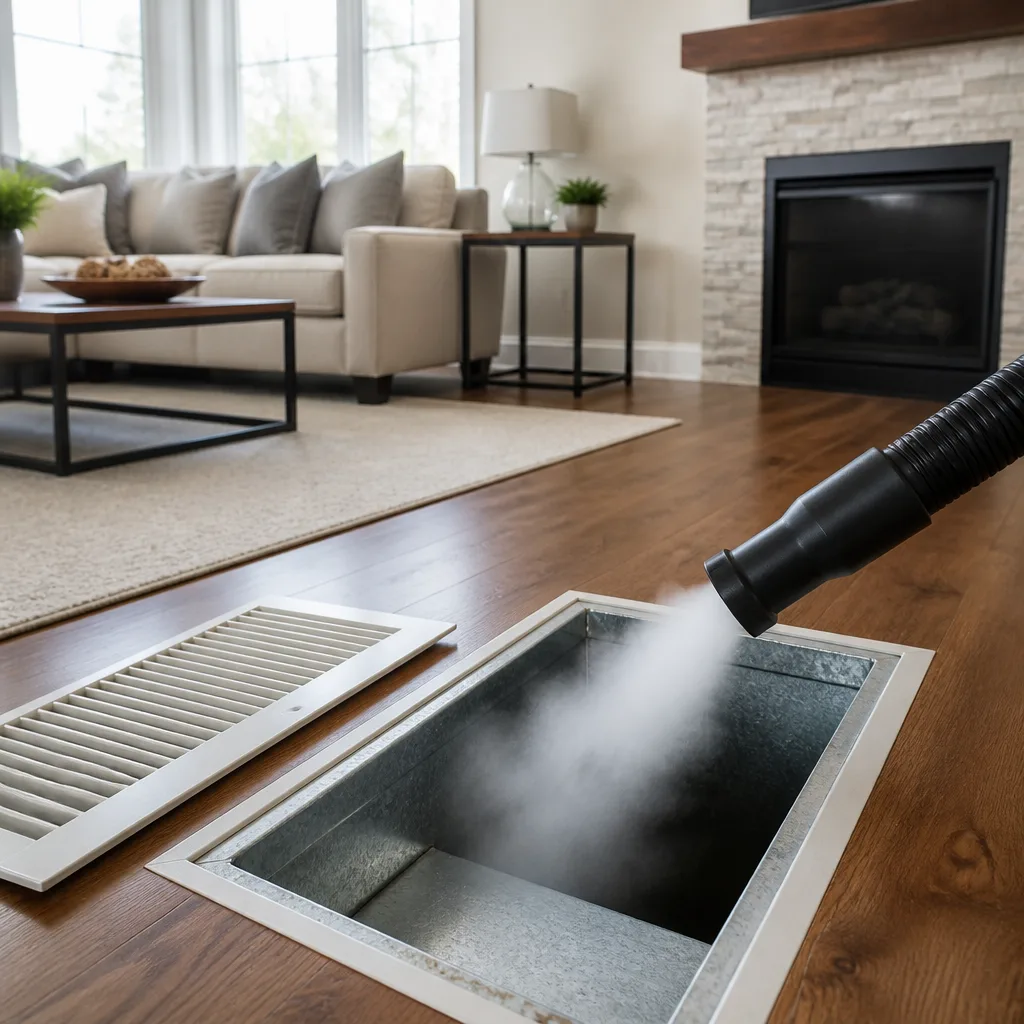 Sanitizing & deodorizing
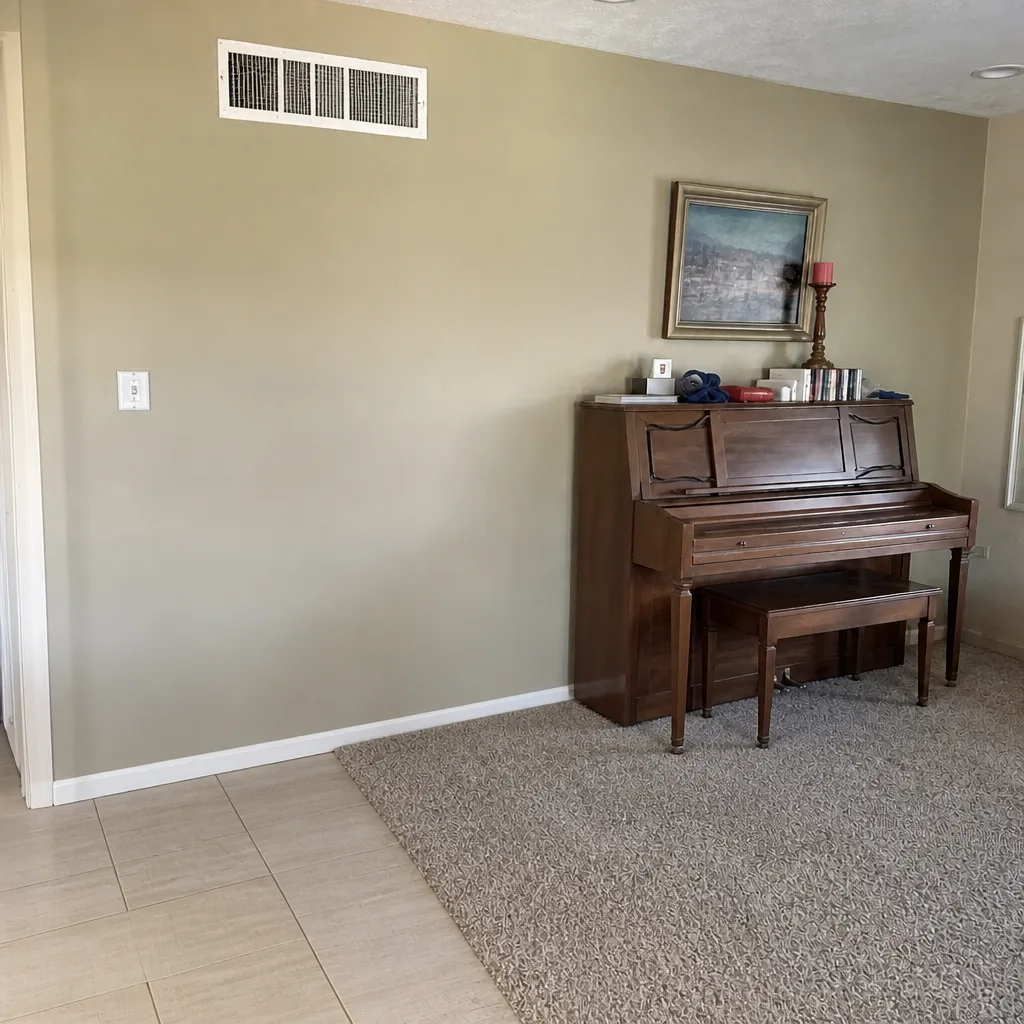
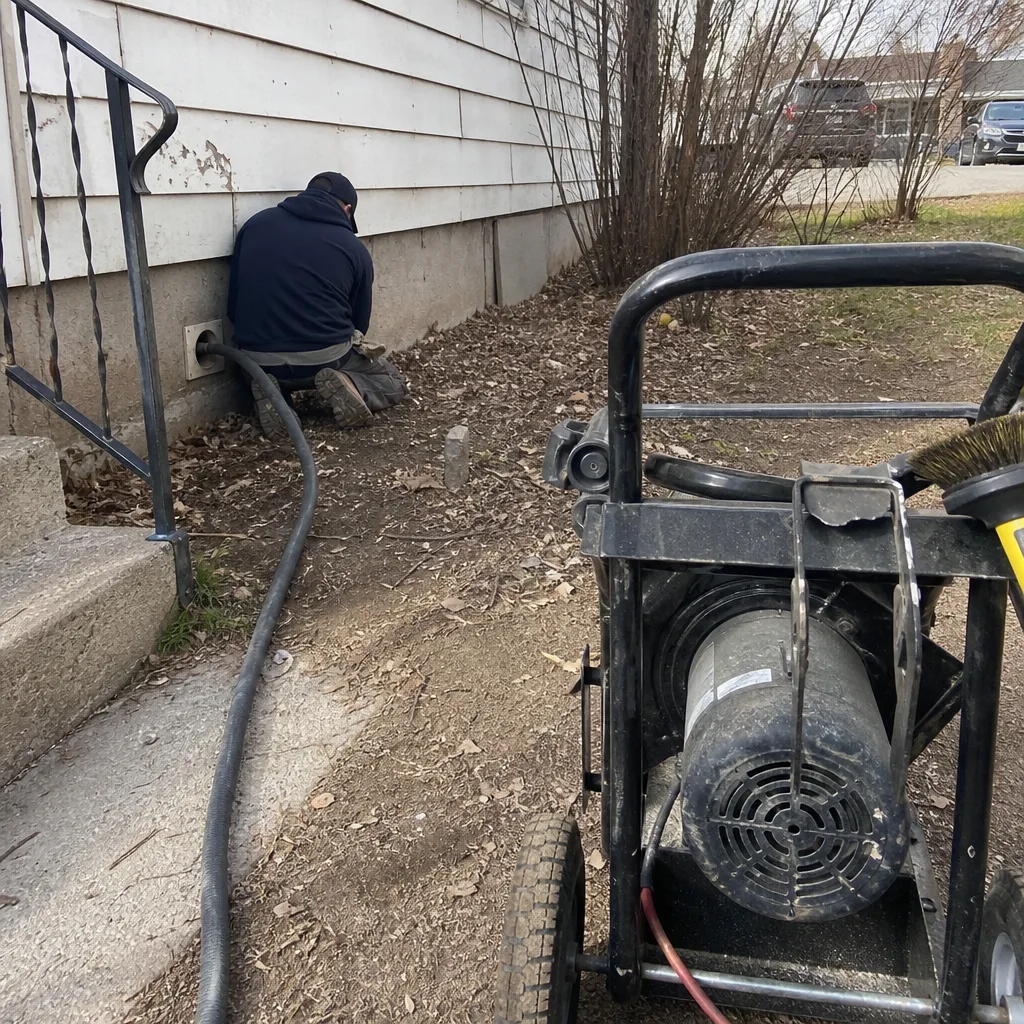
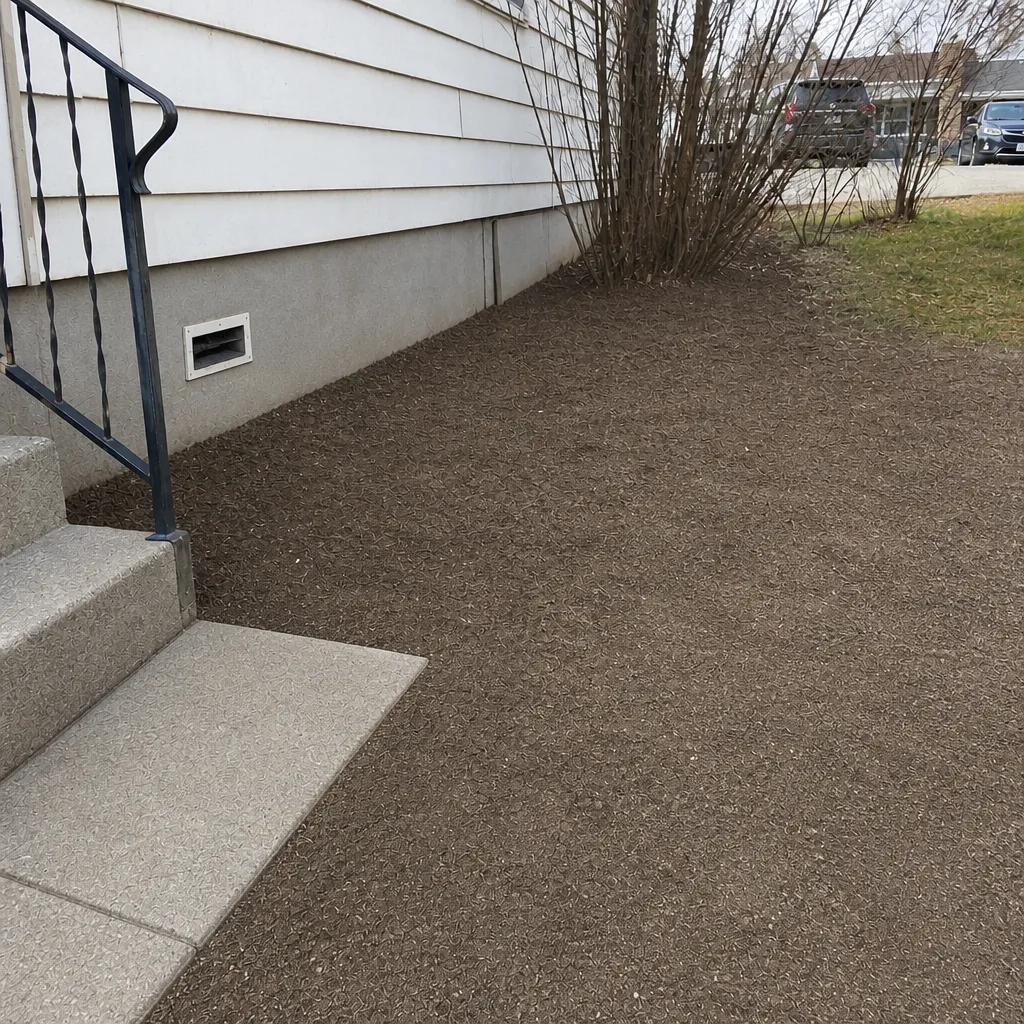
Whole-system duct and dryer vent check with before-and-after photos - you see exactly what came out of your vents
That "$99 whole-house special" is a bait ad - the real number appears once they are in your hallway, or the "clean" is a shop-vac at the register. We photograph the inside of your ducts before and after instead.
Air Duct Cleaning Emergency Preparedness Guide for Roy Homes
When wildfire smoke settled over the Wasatch Front in August 2023, most Roy homeowners did what seemed obvious: they swapped furnace filters and waited for the sky to clear. What almost none of them did was deal with the fine particulate that had already drifted past the return grilles and settled inside the duct system itself. Filters catch what reaches them. They don’t clean what’s already downstream. That gap is the whole reason this guide exists. Roy sits close enough to wildfire corridors, flood-prone seasonal patterns, and winter inversion events that duct contamination here follows a rhythm most homeowners never plan for. Below we’ll walk through what a real emergency response looks like, event by event, and how to build a protocol before you ever need one.
Quick Answer
Emergency duct cleaning in Roy isn’t a faster version of a routine cleaning. It’s a contamination-containment procedure triggered by a specific event: wildfire smoke infiltration, water intrusion into the system, or a post-remediation situation where debris or pathogens have entered the ductwork. The response differs by event. Smoke calls for sealing the system and cleaning the full plenum and branch runs afterward. Water intrusion calls for stopping microbial growth within the first day or two. Both require documenting conditions before work begins if an insurance claim is going to hold up. Roy Air Duct Cleaning handles all three scenarios with professional-grade equipment, and we can walk you through the right protocol for your situation before the work starts.
Styles & brands we work with
- Whole-home duct cleaning
- Dryer vent cleaning
- Camera inspection
- Sanitizing & deodorizing
Table of Contents
- Wildfire Smoke Events: What to Do During and After
- Water Intrusion: How Fast Contamination Starts
- What “Emergency Duct Cleaning” Actually Involves
- Documenting Contamination for Insurance Claims
- Pre-Event Preparation: The Baseline That Makes Claims Verifiable
- Winter Inversions and Long-Term Particulate Load
- Step-by-Step: Your Roy Emergency Response Protocol
- Common Mistakes to Avoid
Wildfire Smoke Events: What to Do During and After
Wildfire smoke is chemically different from ordinary household dust. It carries fine and ultrafine particulate, ash, and combustion byproducts that stay suspended for days after visible smoke clears. When that air gets pulled into a return duct, some fraction of it deposits on duct walls and in the plenum, especially when the HVAC system stays running throughout the event. That deposited material is what keeps circulating back into your living space for the rest of the heating season, event after event, long after the smoke itself is gone.
The instinct to shut the system down during a smoke event is sometimes right and sometimes wrong, and the decision depends on whether your filter arrangement can handle the load. Here’s how we think about it:
- Seal first, run second. If outdoor air quality is in the unhealthy range and you have a ducted system, close fresh-air intakes, tape off any obvious gaps at the outdoor unit interface, and keep windows and doors shut before you decide whether to run the blower.
- Run with filtration, not without. A system running with a properly rated filter is better than a system idle with smoke drifting in through gaps. All of the airflow in your home passes through the filter when the blower is on; when it’s off, smoke enters through every seam you can’t see.
- Change the filter when the smoke clears, not during. A loaded filter may actually capture more, but it also creates pressure drop. Wait for the event to end, then change.
- Schedule cleaning after the smoke, not between events. Cleaning mid-season just means new ash settles a week later.
What post-event cleaning actually requires is more than a surface pass. In our experience following significant smoke seasons, effective cleaning involves mechanical agitation of duct walls with a purpose-built brush system, the same class of equipment commercial contractors use. That’s where Rotobrush and Nikro systems come in. They reach surfaces a handheld shop vac can’t, and they feed the loosened material into a containment system rather than back into the room. If your duct cleaner’s post-smoke visit involves a blower and a hose, the ash is being redistributed, not removed.
Abatement Technologies air filtration is the other half of the equation. During a smoke recovery clean, that equipment holds the fine particulate that brush agitation frees up, so it doesn’t drift back into your living room while the work is happening. That’s a containment standard borrowed from professional remediation. It’s not standard for residential duct cleaning, which is exactly why we lead with it when a Roy home has just gone through a major smoke event.
Water Intrusion: How Fast Contamination Starts
Water in a duct system is a different category of emergency than smoke, and the timeline is tighter. When a basement floods and water reaches a low return, or when a roof leak drips into an attic air handler, the interior of the duct becomes a damp, warm, dark environment. That’s the exact condition mold and bacteria need. In our experience, visible microbial growth can establish on interior duct surfaces within 24 to 72 hours of sustained wetting, and ductwork lined with fiberglass insulation holds moisture far longer than bare galvanized metal does.
The sequence matters more than the cleaning method:
- Stop the water source first. That means fixing the roof, clearing the basement, or shutting off whatever plumbing failed. Duct cleaning before the source is dry is wasted effort.
- Dry the system before you clean it. Pull the air handler’s access panel, dry interior surfaces, and confirm the duct walls and insulation have reached dry-to-the-touch before any cleaning begins. Cleaning wet ductwork just spreads moisture into places you can’t reach.
- Document with photos before any work. Water lines, staining, and visible growth need to be photographed from the interior if possible. This is what a claim adjusts against.
- Clean, then sanitize. Mechanical cleaning removes the substrate the growth lived on. Sanitizing treats what remains. Doing one without the other is incomplete.
- Verify airflow and moisture afterward with instrumentation. A cleared duct run and a dry plenum are both verifiable conditions, not just visual impressions.
Roy’s seasonal pattern makes this more than a hypothetical. Spring snowmelt and heavy rain events push water into basements along the lower-elevation neighborhoods, and roof leaks around aging flashing are common after the wind events that arrive with the same storm systems. If water reached your return duct, the clock on a microbial problem starts the moment the water stops, not the moment you notice it. An air duct cleaning visit scheduled within the first few days addresses both the moisture the cleaning itself exposes and the growth that would otherwise establish. We use Abatement Technologies filtration and, where appropriate, Guardsman-brand cleaning agents because a water-event clean has to address both the substrate and the biology.
What “Emergency Duct Cleaning” Actually Involves
The phrase sounds dramatic, but the operational difference between emergency duct cleaning and a standard service visit is real and specific. Here’s what changes:
- Scope widens to the whole system. A routine cleaning often targets the main trunk and accessible branch runs. An emergency clean covers the plenum, the air handler interior, every branch, and the return side, because contamination from a fire, flood, or smoke event doesn’t stay in the trunk.
- Containment becomes the priority. Standard cleaning manages dust; emergency cleaning prevents cross-contamination. Negative pressure, HEPA filtration, and sealing off uninvolved rooms are all part of the protocol.
- Documentation leads the work. Before-and-after photos of each run, moisture readings, and a written scope are produced as deliverables, not afterthoughts.
- Sanitizing is standard, not optional. After any biological or combustion event, air quality sanitizing follows the clean. That’s not an upsell in an emergency response. It’s the completion step.
- Scheduling order may change. If the event left the HVAC system compromised, HVAC cleaning may need to happen before or alongside the duct work rather than after.
We bring professional-grade equipment to both routine and emergency visits, because the tool set determines what’s possible. Rotobrush and Nikro systems are purpose-built duct cleaning machines, not high-pressure blowers. They’re what commercial contractors use on the duct systems of commercial buildings, and they’re what we use in Roy homes because the physics of duct contamination don’t change based on square footage.
If the emergency also involved your air handler or your heating and cooling equipment came through a water event, a separate HVAC cleaning pass covers the coils, the blower housing, and the interior cabinet. Doing duct work without addressing the air handler leaves the source of the contamination in place.
Documenting Contamination for Insurance Claims
Insurance claims for duct contamination live or die on documentation, and most of what insurance adjusters need is only available before cleaning begins. This is the single most overlooked step in Roy, because the instinct after a flood or smoke event is to get things cleaned up as fast as possible. Speed is fine. Skipping documentation is what costs homeowners money.
Here’s what an adjuster will typically want to see:
- Photos of the event itself. Water lines on ductwork, smoke staining inside the return grille, visible debris or growth at the plenum access. Take these before any cleaning or drying begins.
- Photos from inside the duct system. A professional clean with camera inspection captures interior conditions that a homeowner can’t photograph through a register grille. If your duct cleaner can inspect and photograph interior conditions as part of the initial assessment, get those images on record.
- A written scope of work. What’s being cleaned, what equipment is being used, and what the completion criteria are. A written estimate serves this purpose and is what your claim document will reference.
- Moisture readings, if water was involved. A reading at the plenum before and after drying establishes that the system was wet, which is exactly what a mold-related claim needs.
- Before-and-after photos of the completed work. Adjusters need to verify the work that was paid for was actually done.
We supply before-and-after photos of your own ducts as part of every job, and that’s not a marketing flourish. It’s the difference between a claim that moves through quickly and one that stalls. If your claim gets stalled, our team can point you to what additional documentation would help.
One more note: if you used a contractor or remediation company for the water or smoke event itself, request the moisture readings and scope of work they produced. Those documents chain to the duct cleaning that follows and can strengthen the claim considerably.
Pre-Event Preparation: The Baseline That Makes Claims Verifiable
The most useful thing you can do for your duct system is establish its condition before anything goes wrong. A baseline gives you a documented starting point. When an insurance claim or a skeptical adjuster questions whether your ducts were actually clean before the event, a baseline is what answers.
A baseline consists of:
- Photos of the plenum and several branch runs taken inside the system, dated and stored somewhere you’ll find them (a dedicated photo album on your phone works).
- Photos of the return side, the air handler interior, and the outdoor fresh-air intake if you have one. These are the points where wildfire smoke enters fastest.
- A note on the equipment you’re running. Furnace and AC make and model, filter size and MERV rating, and the date of the last filter change. Honeywell and Aprilaire filter cabinets and humidifier components are both common in Roy homes, and photographing the installed unit saves time later.
- A copy of your last professional cleaning record if one exists.
We include all of this as part of a routine cleaning because establishing the baseline costs almost nothing at the time and is nearly impossible to reconstruct later. If you’re moving into a Roy home, whether it’s a newer build or one of the older neighborhoods where duct systems have seen decades of use, get a professional inspection before the heating season starts. Set a reminder to re-check after any renovation, pest remediation, or HVAC replacement, because each of those activities introduces debris that belongs in the baseline record, not in a claim dispute.
Two of the routine services we offer also function as pre-event preparation. Air quality sanitizing gives you a treated, documented starting point for the duct system, which makes any later contamination easier to attribute and easier to clean. Dryer vent cleaning, meanwhile, addresses a separate fire-risk hazard that many air quality cleaners don’t touch. Every home has both a duct system and a dryer vent, and only one of those has an ignition source attached. A blocked dryer vent is a fire pathway, and it accumulates lint on a timeline unrelated to your duct cleaning schedule.
Winter Inversions and Long-Term Particulate Load
Winter in Roy brings a condition that other regions don’t experience at the same intensity: temperature inversions that trap cold, dense air under a warmer layer and hold pollution at ground level for days. During an inversion event, the outdoor air in the valley can carry elevated concentrations of fine particulate, and every time a home draws fresh air through its HVAC system, some of that particulate deposits in the ductwork.
Inversions are not emergencies. They’re a recurring condition that accumulates over the season, and the accumulation is why a routine clean at the end of winter has more to remove than one scheduled in autumn. For a home along the more established streets near the center of Roy, where older duct systems may have decades of prior accumulation, the difference between a mid-season clean and an end-of-season clean is significant. For a newer home with a recent HVAC installation, the load is lower but the baseline is cleaner, so any post-inversion debris is more noticeable in a follow-up inspection.
What we do differently during and after an inversion season is schedule around the event. Cleaning in the middle of an inversion leaves new deposits on freshly cleaned surfaces within a week or two. Cleaning after the season ends removes the full accumulation in a single visit. If you’re running a duct cleaning on a pre-inversion schedule and an inversion is already happening, call and we’ll advise whether to wait. We answer 24/7. Fast dispatch from 7am to 7pm, Sunday through Friday.
The equipment matters here too. Inversion particulate is fine. It’s small enough to pass through a standard filter’s weakest points and small enough to stay airborne longer once disturbed. Mechanical brush cleaning with containment (Rotobrush, Nikro, Abatement Technologies filtration) handles fine particulate through the plenum and branch runs, while a blower-and-hose operation just redistributes it. If you’ve ever been told that duct cleaning made the house dustier for a week, that’s exactly the failure mode being described.
Step-by-Step: Your Roy Emergency Response Protocol
This is the part most Roy homeowners have never thought through. Here’s the order of operations for a duct-contaminating event, whether the trigger was wildfire smoke, water, or a post-renovation situation.
Immediately (same day)
- Identify the event type and stop its source. Close windows, fix the leak, end the renovation dust, or stop the pest treatment process.
- Photograph everything. Interior of the duct system if accessible, exterior conditions like water lines or smoke staining, and the outdoor intake if one is present.
- Shut off the HVAC system if water reached the air handler or duct runs. Leave it running during a smoke event if the filter setup is capable, and seal outdoor intakes either way.
- Call your insurer if the event is potentially claimable, and open the claim before cleanup.
Within the first 24-72 hours
- Get a professional assessment before cleaning. The assessment establishes scope and produces documentation for the claim.
- Dry the system fully if water was involved, using professional drying equipment if the wetting was significant.
- Schedule the duct cleaning. Don’t wait for visible mold or symptoms. The window to contain microbial growth is short.
After cleaning
- Review the before-and-after photos from every run.
- Sanitize the system if the event involved biology or combustion products.
- Replace filters after the clean, not before, and note the new filter’s installation date.
- Store the final documentation with your baseline record for the next event.
Common Mistakes to Avoid
- Changing the filter and calling it done. Filters catch what reaches them. Deposits already on duct walls keep circulating long after the filter is clean, especially after a smoke event along the Wasatch Front.
- Cleaning mid-event. Cleaning during an active smoke or dust event means fresh deposits settle right after the work. Wait for the event to clear unless water intrusion forced your hand.
- Skipping documentation before cleanup. Cleaned ducts are evidence that has been destroyed. Photograph first, clean second, always.
- Waiting on water to “dry out on its own.” In our experience, damp duct insulation and plenums in Roy’s homes can hold moisture far longer than air drying removes it, and mold can establish within 24 to 72 hours of sustained wetting. Get professional drying on the schedule.
- Hiring a cleaner whose equipment is a shop vac and a blower. That equipment class can’t reach interior surfaces or contain what it loosens. The equipment list is the first thing to check before booking any post-event clean.
- Ignoring the dryer vent during a duct emergency. A dryer vent clog is a fire pathway, not a duct cleanliness issue, and a post-event duct appointment is the right time to schedule dryer vent cleaning at the same address.
- Running a duct cleaning schedule on the calendar instead of the season. In Roy, the event types (fire season, flood season, inversion season) cluster. Time your cleaning to the trailing edge of whichever season you just went through.
See the difference
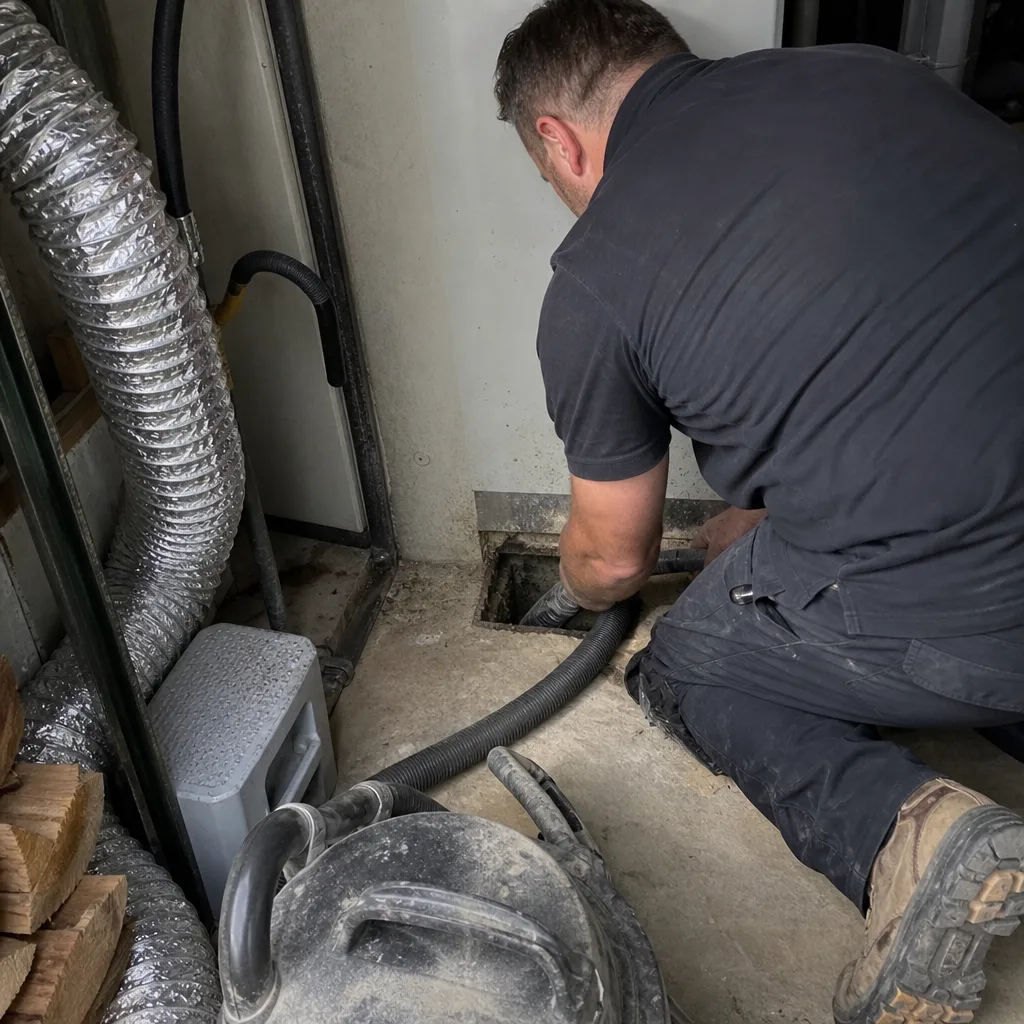 Before
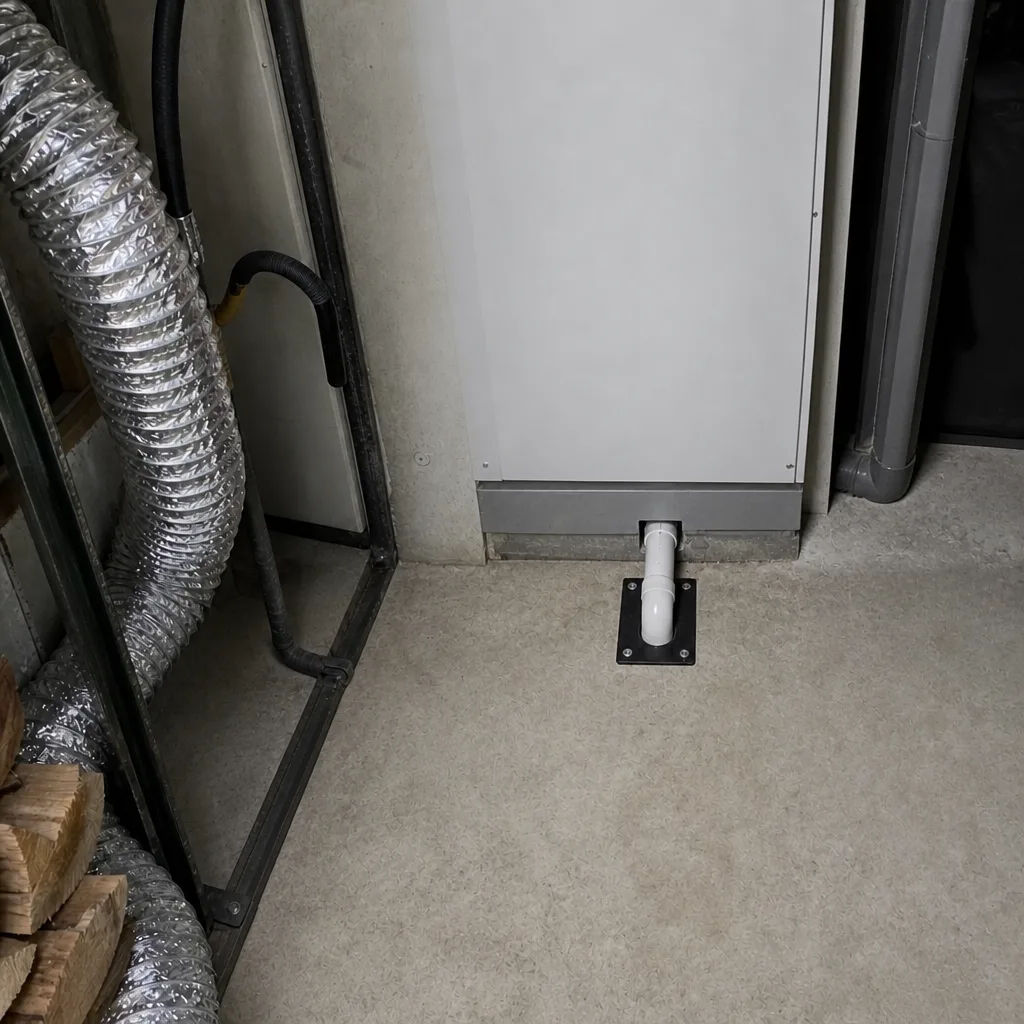 After
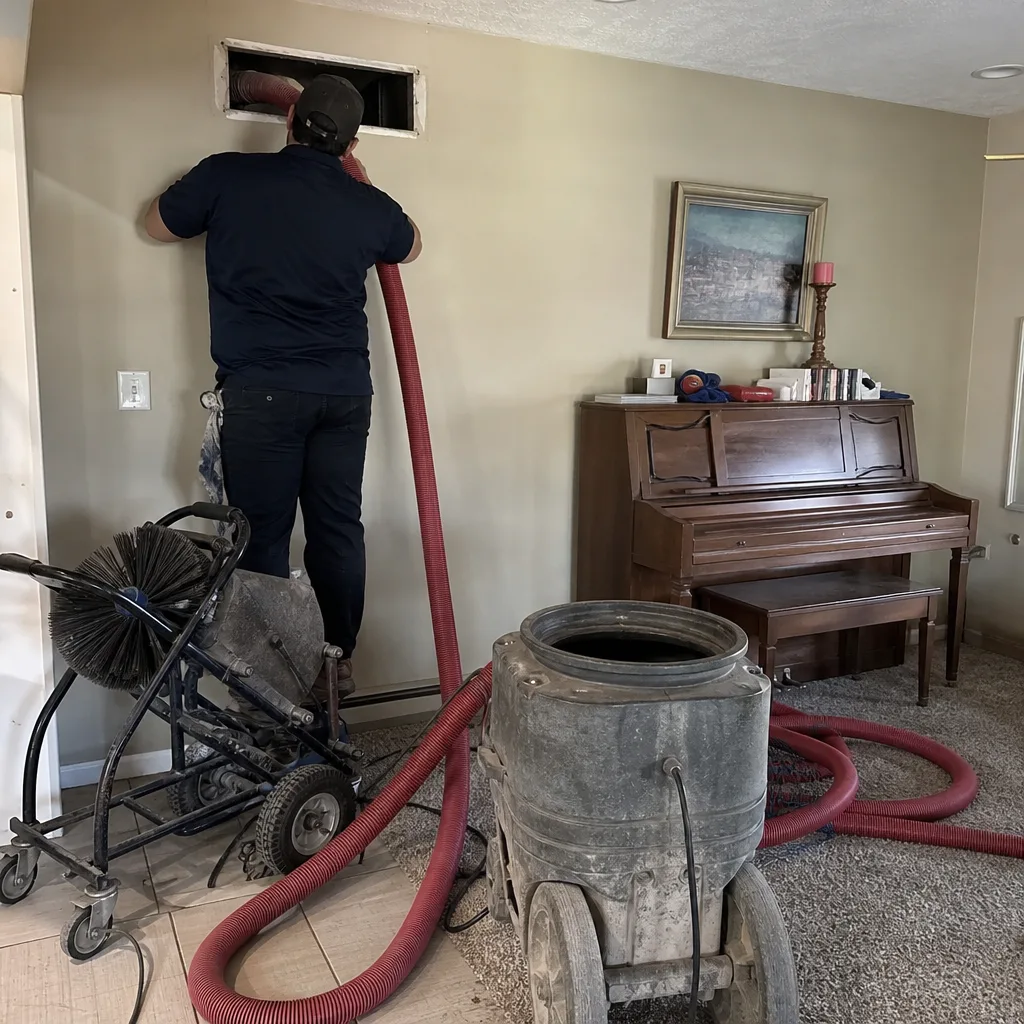 Before
 After
 Before
 After
When to Call a Professional
Call a professional if wildfire smoke has passed over Roy and your home’s HVAC system was running through the event, if water reached your ductwork or air handler from any source, if you’ve completed a renovation or pest remediation that produced debris in the system, or if your HVAC equipment was replaced and the ducts need to be inspected and cleaned to match the new system’s airflow. Call us if you’re seeing visible dust around supply registers right after a system run, or if you’ve noticed persisting odors that don’t clear when filters are changed. Roy Air Duct Cleaning offers free estimates in Roy. Call (877) 389-1745. We answer 24/7. Fast dispatch from 7am to 7pm, Sunday through Friday. The local pro we connect you with is licensed and insured as their state requires, and the written estimate sets the price before any work starts.
If you’re not sure whether your situation meets the threshold for an emergency response or a routine cleaning, call and describe it. We’ll tell you which category your home is in and what the correct protocol looks like.
Frequently Asked Questions
An emergency duct cleaning situation is any event that has introduced contaminants into the duct system beyond ordinary household dust: wildfire smoke infiltration, water intrusion that wet the ducts or air handler, biological contamination from mold or pests, or combustion residue after a home fire. Routine dust accumulation is not an emergency; it’s maintenance. Water events are the tightest timeline, because microbial growth can establish on wet duct surfaces within 24 to 72 hours. Call (877) 389-1745 for an exact quote if you’re unsure which category your situation falls into. Estimates are free.
Pricing is set per job by the written estimate, so there’s no single number that applies to every home. The range depends on system size, the number of branch runs, whether the plenum and air handler need service, and whether sanitizing is part of the scope. What we can say is that the flat price is agreed before work starts, based on a walkthrough, not a teaser rate that changes once the technician is inside. Call (877) 389-1745 for a free estimate and a clear scope of work before you commit.
Cheap quotes usually reflect cheap equipment: a shop vac, a blower, and a hose that agitates dust without containing it. That’s not cleaning; it’s redistribution. Professional-grade equipment like Rotobrush and Nikro systems, plus Abatement Technologies air filtration for containment, costs more to operate and produce, and the pricing reflects it. If a quote is dramatically lower than the others you’ve received, ask specifically what equipment they’ll bring. Call (877) 389-1745 for an exact quote on professional-grade work, and we’ll document before-and-after photos of your own ducts so you can verify what was done.
Before-and-after photos of your own duct runs are the simplest verification. Ask any cleaner to supply interior photos of every run before cleaning begins and after it’s complete, plus a written scope that describes exactly what the visit covered. If the answer is a verbal description and a receipt, the work can’t be independently verified. We supply before-and-after photos as a standard part of every job. Call (877) 389-1745 for a free estimate.
For most Roy homes without a triggering event, professional duct cleaning is worth scheduling every few years, timed to the end of inversion season or after any renovation or HVAC replacement project. Homes near higher-traffic streets, or those that have experienced a smoke or water event, may need more frequent visits. A documented baseline after the first professional clean makes it easier to judge on inspection rather than calendar. Call (877) 389-1745 for a free estimate and a recommendation that suits your home.
You can change filters and run the system with proper filtration, and that’s helpful during the event. Interior surface cleaning, plenum cleaning, and containment are not do-it-yourself jobs, because reaching duct surfaces and containing the freed particulate requires purpose-built equipment. Attempting the work with a shop vac or a rented blower can stir deposited material into the living space. Call (877) 389-1745 for an exact quote if you want the work done right, or an assessment if you’re not sure it needs to be done at all.
The Bottom Line
Roy’s geography puts duct systems through a specific set of recurring stress events: wildfire smoke seasons from the surrounding corridors, water intrusion from spring snowmelt and storm events, and winter inversions that load fine particulate for weeks at a time. A routine filter change doesn’t address the deposits that sit downstream. The correct response depends on the event. Wildfire smoke calls for sealing, running with proper filtration, and cleaning after the event. Water intrusion calls for stopping the source, drying, documenting, and cleaning within the first few days. Pre-event preparation (a documented baseline) makes any post-event claim easier. And the equipment matters from start to finish. If you’re not sure what category your home falls into, that’s the call to make. We’d rather point you toward the right protocol than sell you a cleaning you don’t need.
Call (877) 389-1745 for a free estimate and a clear scope of work. We answer 24/7. Fast dispatch from 7am to 7pm, Sunday through Friday.
If you’d like to see how our broader indoor air quality services fit together for a Roy home, Roy Air Duct Cleaning is the place to start, or review the full-service difference at our dryer vent cleaning page to understand how the fire-risk side of the home is handled separately from the air-quality side.
Written by the team at Roy Air Duct Cleaning.